GeeFi (GEE) Nets $850K in Presale While Dogecoin (DOGE) Dips Below $0.13
 LTB
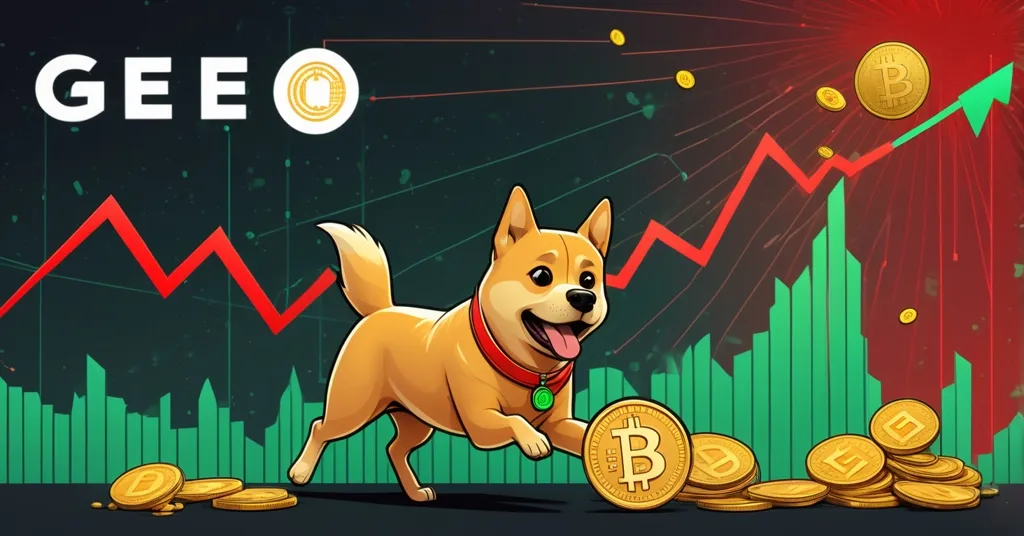
LTB GeeFi (GEE) Raises $850K in Crypto Presale as Dogecoin (DOGE) Slips Below $0.13
A fresh face in the crypto arena, GeeFi (GEE), has turned heads by pulling in over $850,000 during its Phase 2 presale, while meme coin giant Dogecoin (DOGE) stumbles below $0.13. This David-versus-Goliath matchup raises questions about hype, utility, and the ever-present risks in the altcoin space. Let’s dissect the numbers, promises, and pitfalls with a sharp, no-nonsense lens.
- GeeFi’s Presale Surge: Over $850,000 raised, with 14 million+ tokens sold at $0.06 each.
- Big Promises: A listing price of $0.40, claiming a 667% return, with wild forecasts of hitting $2 for a 3,233% ROI.
- Dogecoin’s Decline: DOGE falters below $0.13, highlighting challenges for meme coins despite past hype.
GeeFi’s Presale Hype: Flashy Numbers and Bold Claims
GeeFi has stormed into the spotlight with its Phase 2 presale, raking in over $850,000 by selling more than 14 million GEE tokens at just $0.06 a pop, as reported in recent coverage of GeeFi’s fundraising success. With fewer than 1 million tokens left at this price, the project is pushing a sense of urgency before Phase 3 bumps the cost higher. For a newcomer, these figures are impressive, but in the crypto world, big money raised doesn’t always mean big value delivered. GeeFi markets itself as a utility-driven project, aiming to stand out in a sea of speculative tokens with features like the GeeFi Wallet and a decentralized exchange (DEX).
The GeeFi Wallet offers users control over their funds and private keys—a core principle of decentralization we cheer for. No middlemen, no custodians, just you and your crypto. Meanwhile, their DEX facilitates peer-to-peer trading, cutting out centralized platforms that often act as gatekeepers. For those new to the space, a DEX is essentially a marketplace where trades happen directly between users via smart contracts on a blockchain, reducing reliance on entities like Binance or Coinbase. If executed well, this could appeal to privacy-focused folks tired of KYC (Know Your Customer) hassles.
GeeFi also dangles high-yield staking options through its wallet, with returns ranging from 10% APR (Annual Percentage Yield) for flexible staking to a jaw-dropping 55% APR if you lock your tokens for a year. To put that in perspective, a 55% APR is like earning over 50% interest on a bank deposit annually—except in crypto, the risks are exponentially higher due to volatility and project uncertainty. They’ve thrown in a referral program too, offering a 5% bonus on investments made through personal links, a tactic that can boost growth but sometimes reeks of pyramid-scheme vibes if not transparent.
Then there’s the deflationary model: a portion of transaction fees goes toward buying back and burning GEE tokens, reducing the total supply over time. The idea is simple—less supply, more scarcity, potentially higher value. We’ve seen this with tokens like Binance Coin (BNB), but it’s only effective if demand holds up and the burn mechanics are verifiable. Without audits or public data, it’s just a nice story for now.
But here’s where the red flags start waving. GeeFi claims a confirmed listing price of $0.40 per token, promising an immediate 667% return for early investors. Some “experts” even predict a climb to $2, turning a $1,600 investment into $60,000—a staggering 3,233% ROI. Let’s cut the crap: these numbers are pure fantasy without hard proof. No whitepaper details, no team bios, no third-party audits—just a shiny promise. In crypto, if someone’s selling you a “guaranteed” jackpot, they’re probably selling snake oil. A 3,233% return? Sure, and I’ve got a blockchain bridge to sell you.
“The team has already confirmed a listing price of $0.40. This guarantees an immediate 667% return on launch day.”
“Experts forecast the GEE token could climb to $2. An investment of $1,600 today could become $60,000, delivering a staggering 3,233% ROI.”
Dogecoin’s Decline: A Reality Check for Meme Coins
While GeeFi rides this wave of presale excitement, Dogecoin (DOGE), the Shiba Inu-inspired meme coin, is hitting a rough patch, dipping below $0.13. Once a cultural phenomenon driven by viral tweets from Elon Musk and a rabid online community, DOGE’s price decline reflects broader challenges for tokens built on hype over substance. Trading volume has slumped, and sentiment on platforms like Reddit and X shows frustration over the lack of developer updates or new use cases. Even whispers of institutional interest, like potential ETFs (Exchange-Traded Funds), haven’t stemmed the bleed.
This downturn isn’t just a Dogecoin problem—it’s a meme coin problem. The 2021 bull run saw DOGE hit highs near $0.74, fueled by pure speculation and FOMO (Fear of Missing Out). But without real utility—beyond being a tipping currency or a joke—sustainability is shaky. Compare that to Bitcoin, which has proven itself as digital gold through a decade of battle scars, or Ethereum, powering decentralized apps. Dogecoin’s struggles are a harsh reminder that cultural relevance doesn’t guarantee staying power, a lesson GeeFi must heed if it wants to avoid becoming another flash-in-the-pan token.
Market conditions aren’t helping either. With broader bearish sentiment in 2023, risk-on assets like meme coins often take the hardest hits as investors flee to safer bets. GeeFi’s promotional narrative leans on this contrast—painting DOGE as yesterday’s news while hyping itself as the future. But let’s not kid ourselves: an unproven project comparing itself to a coin with a $17 billion market cap (at time of writing) is like a startup challenging Apple on day one. Dogecoin may be faltering, but GeeFi hasn’t earned the right to gloat yet.
Risks and Red Flags in New Crypto Projects
Presales like GeeFi’s are a staple of the crypto wild west, often pitched as “get in early” goldmines. Back in the 2017-2018 ICO (Initial Coin Offering) boom, thousands of projects raised millions only to disappear or flop—some estimates suggest over 80% of ICOs failed or turned out to be scams. Today’s presales aren’t much different, just rebranded. The allure is obvious: buy low, pray for a moonshot. But the risks are massive. There’s no liquidity until listing, meaning you can’t sell if things go south. Rug pulls—where developers vanish with investor funds—are all too common. And regulatory gray areas mean little recourse if you’re burned.
GeeFi’s hype comes with zero transparency. Who’s behind it? No team info. Is the code audited? No public reports. What’s the tokenomics (the economic structure of a cryptocurrency, like token distribution and incentives)? Crickets. High staking yields like 55% APR often signal Ponzi-like setups where early investors are paid with later ones’ cash until the house of cards collapses. Referral bonuses can turn into shilling frenzies, prioritizing hype over substance. And those “guaranteed” returns? They’re a siren song for unsuspecting degens (crypto slang for risky, speculative investors).
Compare this to established players. MetaMask, a leading wallet, and Uniswap, a top DEX, earned trust through open-source code and community vetting. Does GeeFi bring unique features to compete, or is it just slapping a new token on old tech? Without a roadmap or proof, we’re betting blind. Even the promotional content around GeeFi often carries disclaimers from hosting platforms, a classic sign of paid puff pieces over genuine journalism. This isn’t innovation—it’s a gamble dressed as opportunity.
Don’t get me wrong: new cryptocurrency projects in 2023 can push boundaries. If GeeFi publishes audits, reveals its team, and delivers on its wallet and DEX promises, it could carve a niche in the crowded altcoin space. But right now, it’s fool’s gold until proven otherwise. Bitcoin maximalists would scoff at this opacity—BTC earned trust through transparency and resilience, not empty hype. Altcoins have their place, filling gaps Bitcoin doesn’t (like Ethereum’s smart contracts), but they must prove their worth, not just pitch a dream.
The Bigger Picture: Hype Versus Fundamentals
Zooming out, GeeFi’s $850,000 raise taps into a hunger for the next big thing in crypto. Presale frenzies echo the ICO madness of yesteryears, where fortunes were made and lost overnight. But hunger clouds judgment. Dogecoin’s fall shows even beloved tokens can stumble without utility, while GeeFi’s untested status screams caution. Bitcoin remains the gold standard for trustless money—its open-source code and battle-hardened network stand in stark contrast to altcoin volatility and empty promises.
We champion decentralization, privacy, and disrupting the status quo. A user-controlled wallet and DEX align with that mission, cutting out middlemen and empowering individuals. But without proof, it’s just marketing. Regulatory scrutiny is tightening too—bodies like the SEC (Securities and Exchange Commission) are cracking down on unregistered token sales, meaning presale projects face legal risks alongside market ones. Investors, especially newcomers, must weigh this against the seductive lure of quick gains.
So, where does GeeFi fit? It could be a rough diamond or another footnote in the graveyard of failed tokens. For seasoned OGs, dig into what’s not being said—team allocation, vesting schedules (how tokens are released over time to prevent dumps), and burn verification. For newbies, know this: crypto isn’t a lottery. Every dollar you put in could vanish. Approach with eyes wide open, and maybe a truckload of salt. After all, the only thing guaranteed in this space is the rollercoaster ride.
Key Takeaways and Questions Answered
- What is GeeFi, and what features does it offer?
GeeFi is a new cryptocurrency project with a token (GEE) in presale. It provides a wallet for user-controlled funds, a decentralized exchange (DEX) for peer-to-peer trading, staking with up to 55% APR, and a deflationary model through token burns, though details on implementation are scarce. - How much has GeeFi raised in its presale, and at what price?
Over $850,000 in Phase 2, selling more than 14 million tokens at $0.06 each, with under 1 million left before the price rises in Phase 3. - What returns are promised to early GeeFi investors?
A listing price of $0.40 is claimed for a 667% return on launch, with speculative peaks of $2 for a 3,233% ROI. These figures lack credible backing and should be approached with skepticism. - How does Dogecoin’s current performance compare to GeeFi’s momentum?
Dogecoin is slipping below $0.13 amid fading hype and lack of utility, while GeeFi gains traction with presale success, though DOGE’s established market presence contrasts sharply with GeeFi’s unproven claims. - What are the risks of investing in GeeFi or similar presales?
Lack of transparency on team, audits, or tokenomics, plus risks like rug pulls (developers fleeing with funds), no liquidity until listing, and regulatory uncertainty make presales a high-stakes gamble. - Can GeeFi be trusted as a legitimate crypto project?
Not yet. Without verifiable data on fundamentals, team credibility, or code audits, it’s a speculative bet at best. High yields and “guaranteed” returns often hint at unsustainable models or outright scams until evidence proves otherwise.