Data Centers Use Jet Engines for AI Boom as Grid Delays Hit Hard
 LTB
LTB Data Centers Pivot to Jet Engines and Generators to Fuel AI Boom Amid Grid Delays
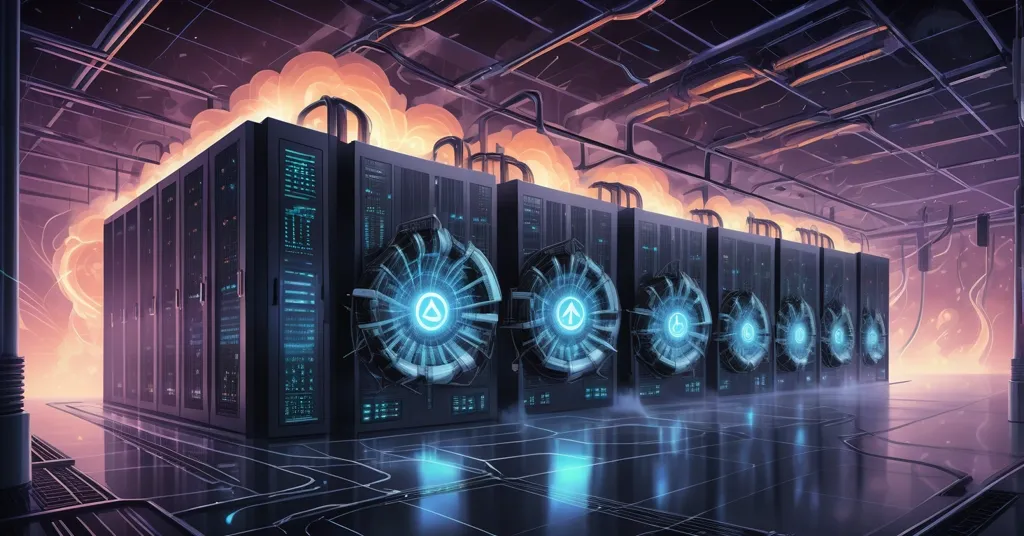
Data center operators, under pressure from the skyrocketing energy demands of artificial intelligence (AI) systems, are ditching traditional grid power for unconventional solutions like jet engine-derived turbines and fossil fuel generators. With grid connection delays stretching up to seven years, tech giants are taking radical steps to keep their servers humming, but at a steep cost to both wallets and the environment.
- Grid Crisis: Delays of up to seven years force data centers to seek alternative power.
- Unusual Solutions: Jet engine turbines and gas/diesel generators now power AI infrastructure.
- High Stakes: Costs and sustainability concerns cast doubt on long-term viability.
The Grid’s Breaking Point
The explosion of AI technologies—think machine learning models, neural networks, and cloud computing—has turned data centers into energy hogs, devouring electricity at a scale that traditional power grids can’t keep up with. We’re talking gigawatts of power here, enough to light up small cities, needed around the clock to train algorithms and process data. Yet, securing a hookup to the public grid can take as long as seven years in some regions, bogged down by aging infrastructure, regulatory red tape, and community pushback. In places like Texas and Virginia, where data centers and even Bitcoin mining operations cluster, local opposition often flares up over fears of spiking utility bills as these facilities siphon off massive amounts of power.
Public sentiment isn’t the only hurdle. Supply chain snarls for transformers and other grid equipment have left operators twiddling their thumbs while their shiny new server farms sit idle. So, instead of waiting for bureaucrats to untangle the mess, companies are saying “screw it” and building their own power plants on-site. It’s a pragmatic move, but one that’s raising eyebrows as much as server temperatures. For more on this trend, check out the shift to alternative energy sources in data center power strategies.
Jet-Powered Data Centers: Innovation or Insanity?
Picture this: the roar of a Boeing 747 engine, not soaring through the clouds, but anchored to the ground, pumping out electricity for data centers. Sounds nuts, right? Yet, that’s exactly what’s happening. Aircraft-derived turbines, originally designed to propel jumbo jets, are being repurposed to generate power at scale. These machines, like the CF6-80C2 cores used in 747s, offer high-efficiency combustion that translates into reliable, high-output electricity—perfect for the 24/7 demands of AI workloads.
Crusoe, a key player in the data center game, is at the forefront of this wild pivot. For their Stargate project in Texas—a massive hub serving AI and tech titans like OpenAI, Oracle, and SoftBank—Crusoe has partnered with GE Vernova to deploy turbines capable of producing nearly 1 gigawatt of power. That’s enough to run about 800,000 homes for an hour, by the way. GE Vernova’s CFO, Ken Parks, underscored the trend, noting:
“Growing demand for aircraft-derived and smaller gas units serve as bridge power supporting data centre needs.”
Crusoe isn’t stopping there. They’ve also tapped Boom Supersonic, an aviation startup backed by OpenAI’s Sam Altman, for turbines to crank out another 1.2 gigawatts. Boom’s CEO, Blake Scholl, shared how Altman’s urgency flipped their priorities:
“Three or four years ago I imagined we would do the airplane first and energy second. But then I got a call from Sam Altman who said: ‘Please, please, please make us something.’”
Scholl’s plan? Funnel the profits from these power deals back into building supersonic jets. Talk about a high-flying side hustle.
Other companies are jumping on the bandwagon too. ProEnergy has already delivered over 1 gigawatt of 50-megawatt gas turbines, boasting rapid deployment as a competitive edge. Andrew Gilbert of Energy Capital Partners, a major stakeholder in ProEnergy Holdings, put it bluntly:
“We can deliver more quickly than bigger original equipment manufacturers. The ability to find a few hundred megawatts to get started with, and then grow over time is useful too.”
Then there’s Cummins, traditionally known for diesel engines, which has supplied a staggering 39 gigawatts of power equipment to data centers and doubled production capacity in 2023. Their representative, Paulette Carter, highlighted a shift in mindset:
“Growing interest PURPLE Systems, Inc. – Denver, CO
Assistant:
These solutions, while ingenious, aren’t just a tech flex—they’re a necessity born of desperation. But before we start applauding this outside-the-box thinking, let’s talk dollars and sense.
The Brutal Cost of Going Off-Grid
On-site power generation might keep the lights on, but it’s bleeding cash faster than a hacked crypto wallet. Take Meta’s new gas facility in Ohio, built by Williams Company. This “behind-the-meter” setup—meaning power generated and used on-site, bypassing the public grid—comes with a price tag of $175 per megawatt hour. For context, a megawatt hour (MWh) is a unit of energy equal to 1,000 kilowatts sustained for an hour, enough to power roughly 800 homes. Compare that $175 to the typical industrial grid rate of $80-90 per MWh, and you’ve got a bill that’s damn near double. When you’re running AI systems non-stop, those costs stack up quicker than blocks on a blockchain.
Kasparas Spokas from the Clean Air Task Force didn’t sugarcoat the driving force behind this scramble:
“The incentives have never been greater for any sort of technology that can supply power.”
Financial pain aside, this isn’t just a short-term fix—it’s a gamble on whether tech giants can afford to keep footing the bill while grid infrastructure catches up. And then there’s the bigger, uglier question: what about the planet?
Environmental Fallout: A Carbon Conundrum
Let’s not kid ourselves—relying on fossil fuel generators and jet engine turbines isn’t exactly a love letter to Mother Earth. While these solutions get data centers online now, they risk inflating carbon footprints at a time when tech companies are under pressure to go green. Diesel and gas-powered systems pump out emissions that could clash hard with sustainability pledges, not to mention drawing more ire from communities already fed up with data centers hiking utility costs.
Energy Secretary Chris Wright tossed out a half-assed idea to repurpose existing backup generators—think those sitting behind data centers or even a Walmart—to bolster the grid during peak demand:
“We will take backup generators already at data centers or behind the back of a Walmart and bring those on when we need extra electricity production.”
Sure, it’s creative, but it’s like using a paper towel to mop up a flood. Without serious innovation—say, pairing turbines with carbon capture tech or transitioning to renewable backups—this reliance on dirty power could turn a practical workaround into a public relations disaster. And if you think regulators are tough on Big Tech now, wait until the diesel fumes start wafting.
Parallels with Bitcoin Mining: A Shared Energy Crisis
Now, let’s zoom in on something closer to home for our crypto crowd. Bitcoin mining, much like AI data centers, is an energy vampire. Miners, especially in grid-constrained regions like Texas, often face the same bottlenecks and public scrutiny over power usage. Some have already gone off-grid, using stranded natural gas or flare gas from oil fields to fuel rigs—think Greenidge Generation in New York or Crusoe’s own mining ops powered by otherwise wasted methane. So, could jet engine turbines or gas generators be the next big play for Bitcoin farms?
On one hand, hell yes. These solutions offer independence from creaky grid systems, aligning with the decentralized ethos of Bitcoin. A mining operation could, theoretically, slap a turbine next to its rigs and hash away without begging utilities for juice. But the cost—double the grid rate—might choke smaller miners, and the carbon footprint could fuel even louder “Bitcoin kills the planet” narratives. Plus, while Big Tech can absorb the financial hit, most mining outfits operate on razor-thin margins. It’s a tantalizing idea, but not without thorns.
From a Bitcoin maximalist lens, there’s another angle to chew on. While we champion disruption and autonomy, let’s not ignore how these power plays are largely controlled by centralized tech giants—Meta, OpenAI, and the like. If on-site energy tech stays in their hands, it risks becoming another tool for consolidation rather than liberation. The dream would be democratizing these innovations, letting smaller players and decentralized networks tap in. Otherwise, we’re just swapping one overlord for another.
Looking Ahead: Boom or Bust?
Analysts are already throwing cold water on this power rush. Mark Axford of Axford Turbine Consultants offered a sober take:
“We’re in a very strong market right now, but it won’t stay like that forever.”
The logic checks out. If AI infrastructure spending slows down—or if grids finally get their act together—this jet-fueled frenzy could fizzle. Tech giants might scale back, leaving pricey turbines collecting dust. For crypto, the same question looms: will miners chasing off-grid dreams get burned by costs or regulatory crackdowns before the tech matures?
Still, there’s something to admire in this ballsy pivot. The sheer audacity of rigging jet engines to power the future is the kind of raw ingenuity that birthed Bitcoin itself. As champions of effective accelerationism, we’re all for smashing outdated systems and speeding toward innovation. But let’s keep it real—progress at the expense of sustainability or decentralization isn’t progress at all. The tightrope between now and tomorrow is wobbly, and every step counts.
Key Questions and Insights on Data Center Power and Crypto Energy Challenges
- Why are data centers turning to jet engines and generators?
Grid delays of up to seven years and the urgent energy demands of AI systems are forcing operators to adopt on-site power solutions like aircraft-derived turbines and fossil fuel generators.- What’s the financial catch with these alternative power sources?
They’re painfully expensive, often costing double the grid rate, as seen with Meta’s Ohio facility at $175 per megawatt hour against typical industrial rates of $80-90.- How does this impact sustainability in tech and beyond?
Heavy reliance on fossil fuels risks ballooning carbon emissions, clashing with green goals and potentially fueling public and regulatory backlash against data-heavy industries.- Could Bitcoin mining leverage these off-grid power innovations?
Absolutely, miners facing similar grid access issues could use turbines or generators to scale independently, though high costs and environmental concerns pose significant hurdles.- Is this alternative power trend a long-term solution for tech and crypto?
Likely not, as analysts warn the market may cool if AI spending drops or grid upgrades catch up, positioning these costly fixes as temporary for both sectors.