Small Towns Halt $98B Data Center Boom: Crypto Mining Faces Similar Backlash
 LTB
LTB Local Resistance Derails Billion-Dollar Data Center Projects Across America
A wave of defiance is sweeping through small towns and suburbs across the United States as local residents stand firm against tech behemoths like Microsoft, Google, and Amazon. These communities are halting or stalling massive data center projects worth billions, driven by the relentless demand for artificial intelligence and cloud computing. But with concerns over environmental destruction, soaring utility costs, and disrupted quality of life, the pushback is proving that even the deepest corporate coffers can’t always buy a welcome mat.
- Massive Pushback: $98 billion in data center projects stalled or stopped across 11 states in just three months.
- Key Concerns: Skyrocketing electricity and water use, loss of green spaces, noise, and property value fears.
- Industry Struggles: Tech giants scramble for better community engagement as opposition grows.
The Scale of Resistance: A Nationwide Stand
The numbers paint a stark picture. Between April and June, Data Center Watch, a monitoring group under AI security firm 10a Labs, documented 20 data center proposals valued at a staggering $98 billion across 11 states that were either blocked or delayed due to local and state-level opposition. This accounts for two-thirds of all monitored projects in that span—a clear sign that the days of tech companies steamrolling into towns with impunity are over. From Pennsylvania to Minnesota, this isn’t just a handful of grumpy neighbors; it’s a full-blown movement challenging the unchecked expansion of digital infrastructure.
Data Centers 101: What’s at Stake?
For those unfamiliar, data centers are the unsung workhorses of our digital age. These sprawling facilities house countless servers that power everything from streaming services to AI models and cloud storage. But they don’t run on good vibes—they consume jaw-dropping amounts of electricity, often enough to rival a small city’s needs, and guzzle millions of gallons of water daily for cooling systems. When the local power grid can’t keep up—a situation known as grid overload—it risks shortages or higher bills for everyone. Then there’s the carbon footprint, meaning the pollution and greenhouse gases these centers pump out, adding fuel to the climate crisis. Toss in the roar of diesel backup generators and the hum of industrial fans, and you’ve got a recipe for community outrage when one of these behemoths lands next door.
Why Communities Are Fighting Back
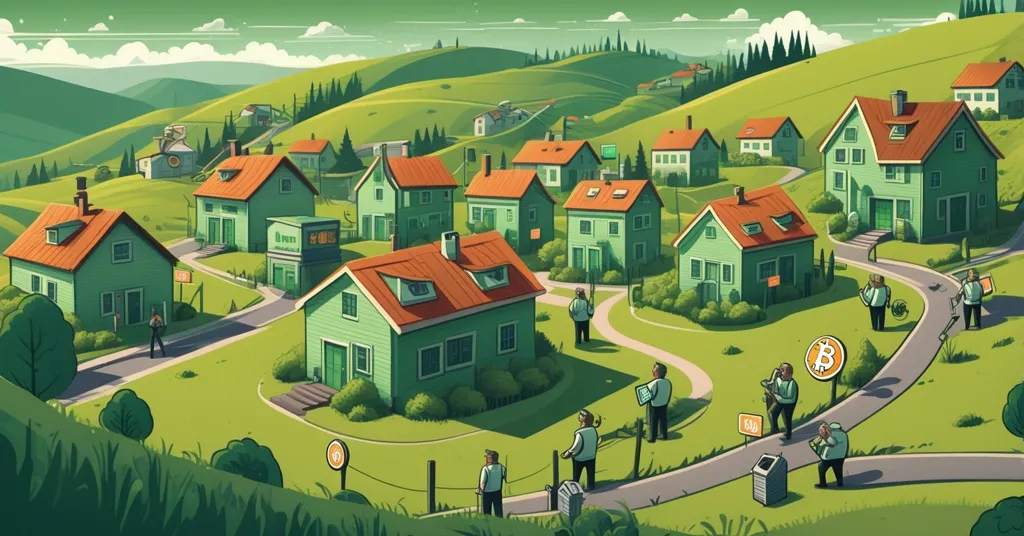
Picture this: one day, your quiet neighborhood of rolling fields or suburban calm is slated to become the site of a concrete fortress humming 24/7. That’s the reality for folks like Larry Shank in East Vincent Township, Pennsylvania, who didn’t hold back his frustration:
“Would you want this built in your backyard? Because that’s where it’s literally going, is in my backyard.”
Shank speaks for many who see data centers as an invasion—eating up farmland and forests, threatening water supplies with daily consumption in the millions of liters, and potentially tanking property values. The noise from cooling systems and generators isn’t just annoying; it’s a constant reminder of what’s been lost.
In Matthews, North Carolina, the opposition was so fierce that feedback ran “999 to one against” a proposed project, forcing its withdrawal despite promises of funding half the city’s budget with eco-friendly features. Mayor John Higdon laid out the political stakes plain and simple:
“Council members who voted yes would no longer be in office. That’s for sure.”
Similarly, in Hermantown, Minnesota, near Duluth, a massive data center campus is mired in legal battles over environmental reviews, with residents demanding hard answers on the project’s impact. This isn’t just venting—it’s organized resistance, fueled by social media and shared tactics, often centered on zoning battles, which are local rules about what can be built where, decided by town councils or public votes. As Bryce Gustafson of the Citizens Action Coalition in Indianapolis noted after 16 years of advocacy:
“I’ve been doing this work for 16 years, worked on hundreds of campaigns I’d guess, and this by far is the biggest kind of local pushback I’ve ever seen here in Indiana.”
Tech Giants on the Defensive: A Growing Problem
While communities dig in to protect their way of life, the tech industry is feeling the heat like never before. Companies like Microsoft, Google, Amazon, and Meta are pouring hundreds of billions globally into data center infrastructure to keep pace with AI and cloud computing demands. Microsoft even flagged community opposition as an operational risk in recent regulatory filings. Andy Cvengros, a data center deal specialist at JLL, didn’t sugarcoat the situation:
“It’s becoming a huge problem.”
Even with land and power lined up, zoning approvals and community support are proving elusive. Maxx Kossof, an investment executive at The Missner Group in Chicago, summed up the frustration:
“You might as well take chips off the table. The thing is you could have power to a site and it’s futile because you might not get the zoning. You might not get the community support.”
Some companies are attempting to adapt. Take Microsoft’s pledges to power data centers with renewable energy or Amazon’s community grant programs to offset local discontent. But are these genuine efforts or just slick PR to dodge the backlash? Many firms stay mum on specifics—like how much water a facility will drain or how grid overloads will be managed—leaving residents skeptical. Dan Diorio of the Data Center Coalition admitted there’s introspection happening behind the scenes:
“It’s definitely a discussion that the industry is having internally about, ‘Hey, how do we do a better job of community engagement?’”
Until that engagement translates to tangible concessions, trust remains in short supply.
Regulatory Gaps: Local Governments Caught in the Crossfire
Spare a thought for local officials stuck between a rock and a hard place. The tax revenue and job creation dangled by tech giants are tempting, especially for strapped municipalities. Yet, they face constituents ready to oust them over a single bad call. Worse, there’s often no clear playbook—federal or state guidelines on data center impacts are patchy at best, leaving towns to fend for themselves against well-funded corporate legal teams. This regulatory void fuels uncertainty, as communities and councils grapple with decisions that could reshape their future without adequate support or expertise. It’s a high-stakes mess, and one that’s only getting thornier as digital infrastructure demands surge.
Parallels to Crypto and Blockchain: Same Fight, Different Flavor
Now let’s pivot to familiar territory for our readers at Let’s Talk, Bitcoin. Data centers aren’t just a Big Tech problem—they’re the lifeblood of blockchain networks too. Bitcoin mining operations, much like corporate server farms, rely on sprawling, energy-hungry facilities that can draw the same ire from locals. If you thought a Google data center sparked outrage, just wait until a small town hears a Bitcoin farm is eyeing their grid. The parallels are striking: crypto mining energy consumption often mirrors data center demands, with single operations burning through megawatts of power and raising utility costs. Cases like Greenidge Generation in New York, where a Bitcoin mining plant faced massive pushback over environmental harm, echo the same battles playing out in Matthews or Hermantown.
For Bitcoin maximalists, there’s an ironic twist. If Bitcoin is meant to liberate us from centralized overlords, how bitter is it that its mining rigs might get booted from town just like Amazon’s servers? Sure, Bitcoin’s proof-of-work secures a decentralized network with ideological grit, unlike Big Tech’s profit-driven sprawl. But to a farmer losing sleep over generator noise or a family facing higher bills, that distinction means squat. Decentralized technology challenges like these force us to ask whether blockchain infrastructure can scale without trampling the very communities it aims to empower.
What’s Next for Digital Infrastructure?
Zooming out, this clash reveals a critical juncture between technological progress and local autonomy. Sustainability isn’t just a buzzword—it’s a lived reality for towns facing water shortages or grid strain. The economic perks of data centers or mining operations, like high-paying tech jobs or infrastructure funding, can’t be ignored. But too often, those benefits feel like hollow promises when weighed against the immediate costs to quality of life. Both Big Tech and crypto pioneers need to rethink their approach, whether through off-grid solutions, energy-efficient designs, or genuine partnerships with locals. What if Bitcoin miners shared renewable setups with communities—could that be decentralization in action, or just another pipe dream? For more on how this resistance is unfolding, check out the detailed coverage of local communities blocking billion-dollar data center initiatives across the country.
The fight isn’t just over server farms or mining rigs; it’s about who shapes the future of tech and at what price. As champions of disruption and freedom, we salute communities standing up to corporate overreach. Yet, the hard truth remains: the digital revolution—be it AI or Bitcoin—needs physical roots to thrive. Ignoring the “little guy” isn’t just shortsighted; it’s a guaranteed way to lose the bigger battle for a decentralized, sustainable tomorrow. Tech giants and crypto innovators alike better take note, because small-town America isn’t backing down.
Key Takeaways and Questions for Reflection
- What drives the explosive growth of data centers, and how does it mirror crypto needs?
The boom in AI and cloud computing demands vast computational power, paralleling the energy-intensive requirements of Bitcoin mining and blockchain infrastructure. Both rely on server farms facing identical scalability hurdles. - Why are communities rejecting data centers and crypto mining with such ferocity?
Soaring utility costs, water shortages, noise pollution, and loss of green spaces hit residents hard, whether it’s a Microsoft facility or a Bitcoin rig. Quality of life outweighs economic promises, fueling intense resistance. - Can Big Tech and decentralized projects like Bitcoin win over skeptical locals?
Only with radical transparency and sustainable practices. Half-baked gestures won’t suffice—both must prove they’re not just draining resources for profit or idealism. - How might local pushback reshape blockchain and decentralized tech?
Resistance could slow vital infrastructure growth, pushing Bitcoin and other projects toward energy-efficient or off-grid innovations. It’s a reminder that decentralization must respect local realities to succeed. - What regulatory gaps worsen these conflicts for tech and crypto alike?
The lack of clear federal or state rules on data center and mining impacts leaves local governments exposed to corporate pressure and public anger, creating a chaotic policy landscape for both industries.