Bitcoin Cloud Mining: Fleet Mining’s AI Promises – Legit or Another Crypto Scam?
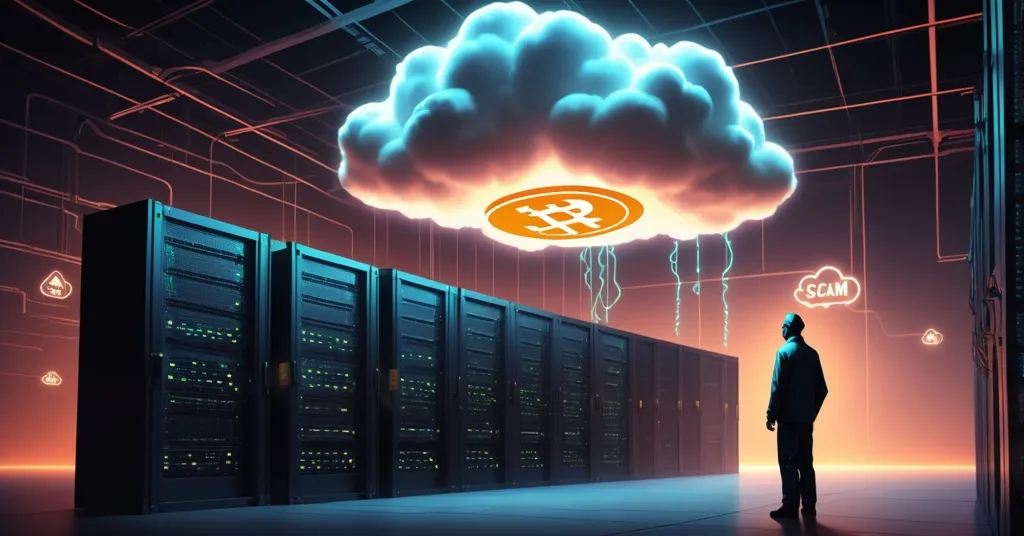
 LTB
LTB Bitcoin Cloud Mining: Is Fleet Mining a Legit Opportunity or Just Hype Scam?
Bitcoin mining has gone from a nerdy basement hobby to a full-blown industrial juggernaut, pricing out the little guy with insane costs and complexity. Cloud mining, with platforms like Fleet Mining touting AI-driven solutions and juicy bonuses, promises to bring mining back to the masses. But is this a real shot at Bitcoin riches or another crypto trap waiting to snag the hopeful?
- Mining’s Impossible Barrier: Traditional Bitcoin mining demands expensive hardware, huge energy bills, and tech skills most don’t have.
- Cloud Mining’s Big Pitch: Mine remotely without gear, as providers like Fleet Mining handle everything with supposed AI magic.
- Bonuses and Returns: Sign-up perks and passive income sound great, but the numbers raise eyebrows.
- Hidden Dangers: Scams, dependency, and shady operations loom large in this unregulated space.
The Evolution of Bitcoin Mining: From Laptops to Warehouses
When Bitcoin burst onto the scene in 2009 as a radical experiment in decentralized money, mining was dead simple. Anyone with a basic laptop could run the software, solve cryptographic puzzles, and earn BTC as a reward for securing the network. Fast forward to 2023, and that dream is long gone. Today, mining Bitcoin requires Application-Specific Integrated Circuits (ASICs)—specialized machines built solely for this purpose, costing thousands of dollars and far outpacing regular computers in efficiency. These rigs need warehouse-sized setups with industrial cooling to manage the heat they generate, and the energy consumption is mind-boggling. Some estimates peg Bitcoin’s network as using enough electricity each year to power over 1 million U.S. households. Add in the ever-increasing network difficulty—a measure of how hard it is to solve those puzzles and earn rewards—and solo mining feels like trying to win the lottery with a broken ticket.
For the average person, the barriers are brutal. The upfront costs for hardware, the ongoing electricity bills, and the technical know-how needed to optimize and maintain a rig make traditional mining a non-starter. It’s no wonder the space is now dominated by massive mining farms, often located in regions with cheap power, leaving individual enthusiasts sidelined. This exclusivity clashes with Bitcoin’s original ethos of decentralization and access for all, creating a gap that alternative solutions are eager to fill.
What Is Bitcoin Cloud Mining? A Democratizing Force or Risky Bet?
Cloud mining steps into this void with a tempting offer: mine Bitcoin without touching a single piece of hardware. The concept is straightforward—you rent computing power (often called hash power) from remote data centers run by third-party providers. These centers house the ASICs, handle the electricity, manage the cooling, and deal with all the headaches of maintenance. As a user, you pick a plan or “agreement,” which specifies how much power you’re renting and for how long, and in return, you get a share of the Bitcoin mined, minus fees. It’s pitched as a way to democratize mining, letting anyone with an internet connection and a few bucks participate in securing the Bitcoin network—a critical process that validates transactions and prevents double-spending through the Proof of Work consensus mechanism. If you’re new to the concept, learning more about Bitcoin cloud mining basics can provide deeper insights.
For beginners, this sounds like a no-brainer. No need to shell out thousands for equipment or figure out how to configure mining software. For seasoned crypto folks, it’s a potential way to diversify income streams without the logistical nightmare of physical rigs. Plus, contributing to Bitcoin’s network security, even indirectly, aligns with the core mission of maintaining a censorship-resistant, decentralized system. But before you start picturing passive income piling up, there’s a catch—or rather, several catches. Cloud mining operates in a murky, unregulated space, and its history is riddled with scams and broken promises. The reliance on third parties means you’re handing over control, and if they’re not legit, your investment could vanish overnight.
Fleet Mining’s Bold Claims: AI Magic and Passive Profits
Enter Fleet Mining, one of the newer players in the cloud mining game, and they’re not holding back on the hype. Their platform markets itself as a cutting-edge solution, leveraging AI-based cloud computing to optimize mining performance and ensure stability. Translation: their algorithms supposedly tweak operations to maximize your returns, all while you do nothing but watch the earnings tick up. Instead of buying hardware, you select a mining agreement—a rental contract for a slice of their computing power—and sit back as the Bitcoin (or at least, the promise of it) flows in passively. They boast a transparent earnings dashboard to track your daily haul and scalable plans that cater to everyone, from curious newbies testing the waters to deep-pocketed whales ready to dive in.
The numbers they throw out are hard to ignore, almost suspiciously so. Here’s a breakdown of their example returns based on different investment levels:
- $15 agreement (1 day, free plan): $0.60 daily, totaling $15.60.
- $100 agreement (2 days): $3 daily, totaling $106.
- $1,200 agreement (10 days): $16.20 daily, totaling $1,362.
- $6,000 agreement (20 days): $96 daily, totaling $7,920.
- $30,000 agreement (45 days): $540 daily, totaling $54,300.
Let that sink in. If you drop $30,000, they’re claiming you’ll rake in over $54,000 in less than two months. To sweeten the pot, Fleet Mining offers a sign-up bonus ranging from $15 to $100, depending on the plan, plus a daily login reward of $0.60 just for checking in. Passive income with a side of free cash? If this is real, why aren’t hedge funds dumping billions into Fleet Mining instead of chasing meme stocks?
They claim their AI optimization sets them apart, potentially squeezing more efficiency out of their data centers than traditional setups. For context, cloud mining providers pool hash power across many users, distributing rewards based on the share you’ve rented. If their tech truly maximizes output, it could mean better returns than solo mining with a $5,000 ASIC rig, which might take months to break even with power costs factored in. But without hard proof—say, independent audits or detailed operational data—this “AI magic” could just be slick marketing designed to dazzle the uninformed.
The Risks Lurking in the Cloud: Scams and Broken Dreams
Let’s cut through the shiny promises and get real. Cloud mining’s benefits—no hardware costs, no energy bills, AI-driven efficiency, and the lure of passive income—are undeniably attractive, especially for those new to Bitcoin mining profitability. It lowers the barrier to entry, letting anyone contribute to network security without needing a tech degree or a second mortgage. Even for crypto OGs, it’s a way to stack sats without the grind of managing physical rigs. But the crypto space is a Wild West, and cloud mining has a rap sheet longer than most shitcoins’ whitepapers.
First off, you’re entirely dependent on the provider. If Fleet Mining or any other platform goes bankrupt, gets hacked, or simply vanishes into the digital ether, your money is likely gone. No hardware means no control—you can’t unplug your rig and sell it to recoup losses. Then there’s the transparency issue. How do we know their data centers even exist? Are they actually mining Bitcoin, or are they running a Ponzi scheme—where returns to early users are paid with funds from new ones, collapsing when the influx slows? History offers grim lessons: platforms like BitConnect and HashOcean promised the moon, only to rug-pull thousands of investors, disappearing with millions. Hidden fees, contract lock-ins that prevent withdrawals, and sudden shutdowns without refunds are other traps that have burned users in the past.
Let’s talk about those rosy earnings projections. Bitcoin’s price swings like a pendulum, and network difficulty adjusts roughly every two weeks, often making mining less profitable. Operational costs on the provider’s end—power, maintenance, cooling—eat into returns, yet Fleet Mining’s numbers don’t seem to account for any of this. A $30,000 plan yielding over $54,000 in 45 days implies a return rate that’s borderline absurd in a volatile market like crypto. Compare that to traditional mining, where breaking even can take months even with top-tier gear, and the skepticism meter hits red. Without regulation in most jurisdictions, cloud mining outfits operate in a legal gray area, meaning if they face a crackdown, users could be left holding the bag.
Even the environmental angle, a hot-button issue for Bitcoin, doesn’t get a pass. Critics blast mining for its carbon footprint, and while cloud mining shifts the energy burden to providers, it doesn’t necessarily reduce the impact—just hides it from the end user. If Fleet Mining’s data centers run on coal-heavy grids, you’re still indirectly contributing to the problem, something Bitcoin advocates wrestling with sustainability debates should consider.
A Bitcoin Maximalist’s Take: Opportunity or Distraction?
As someone who sees Bitcoin as the ultimate store of value and the backbone of a financial revolution, I’m all for anything that gets more people involved in securing the network. Mining, even through cloud services, bolsters Bitcoin’s decentralization and resistance to censorship—core reasons why it remains king over altcoins and other blockchains like Ethereum, which fill different niches with smart contracts and DeFi experiments. If cloud mining can onboard new users and distribute hash power beyond industrial farms, it’s a net positive for the ecosystem.
But I can’t shake the unease. Bitcoin’s mission is sound money and freedom, not get-rich-quick gimmicks that risk tainting its reputation. If platforms like Fleet Mining concentrate power in a few opaque providers, are we really enhancing decentralization, or just trading one centralized system for another? The crypto industry thrives on disruption and innovation, but it’s also a breeding ground for scams that prey on the eager and uninformed. Cloud mining could be a legit on-ramp to Bitcoin mining for beginners, but only if trust and sustainability trump flashy bonuses and overblown promises. Otherwise, it’s just another hype cycle destined to leave disillusioned investors in its wake.
How to Approach Cloud Mining: Practical Tips for the Cautious
So, where does this leave us in the search for the best cloud mining platforms? Fleet Mining’s pitch is enticing, especially for those priced out of traditional setups. The idea of earning Bitcoin passively while supporting network security fits the spirit of decentralization. But in a space as unforgiving as crypto, blind trust is a rookie mistake. If you’re tempted by those daily rewards and sign-up bonuses, tread with extreme caution. Start small—test a minimal investment and try withdrawing earnings early to gauge reliability before scaling up. Dig into user reviews, demand proof of mining activity (like blockchain transaction records), and check for third-party audits. If a platform dodges questions or locks you into unbreakable contracts, run for the hills.
Remember the bitter lessons of past cloud mining scams: if it sounds too good to be true, it almost certainly is. Bitcoin’s revolution thrives on skepticism as much as innovation. Do your homework before betting on any outfit, Fleet or otherwise. The fight for financial freedom and disruptionRoblox
Assistant:
Bitcoin Cloud Mining: Is Fleet Mining a Legit Opportunity or Just Hype Scam?
Bitcoin mining has gone from a nerdy basement hobby to a full-blown industrial juggernaut, pricing out the little guy with insane costs and complexity. Cloud mining, with platforms like Fleet Mining touting AI-driven solutions and juicy bonuses, promises to bring mining back to the masses. But is this a real shot at Bitcoin riches or another crypto trap waiting to snag the hopeful?
- Mining’s Impossible Barrier: Traditional Bitcoin mining demands expensive hardware, huge energy bills, and tech skills most don’t have.
- Cloud Mining’s Big Pitch: Mine remotely without gear, as providers like Fleet Mining handle everything with supposed AI magic.
- Bonuses and Returns: Sign-up perks and passive income sound great, but the numbers raise eyebrows.
- Hidden Dangers: Scams, dependency, and shady operations loom large in this unregulated space.
The Evolution of Bitcoin Mining: From Laptops to Warehouses
When Bitcoin burst onto the scene in 2009 as a radical experiment in decentralized money, mining was dead simple. Anyone with a basic laptop could run the software, solve cryptographic puzzles, and earn BTC as a reward for securing the network. Fast forward to 2023, and that dream is long gone. Today, mining Bitcoin requires Application-Specific Integrated Circuits (ASICs)—specialized machines built solely for this purpose, costing thousands of dollars and far outpacing regular computers in efficiency. These rigs need warehouse-sized setups with industrial cooling to manage the heat they generate, and the energy consumption is mind-boggling. Some estimates peg Bitcoin’s network as using enough electricity each year to power over 1 million U.S. households. Add in the ever-increasing network difficulty—a measure of how hard it is to solve those puzzles and earn rewards—and solo mining feels like trying to win the lottery with a broken ticket.
For the average person, the barriers are brutal. The upfront costs for hardware, the ongoing electricity bills, and the technical know-how needed to optimize and maintain a rig make traditional mining a non-starter. It’s no wonder the space is now dominated by massive mining farms, often located in regions with cheap power, leaving individual enthusiasts sidelined. This exclusivity clashes with Bitcoin’s original ethos of decentralization and access for all, creating a gap that alternative solutions are eager to fill.
What Is Bitcoin Cloud Mining? A Democratizing Force or Risky Bet?
Cloud mining steps into this void with a tempting offer: mine Bitcoin without touching a single piece of hardware. The concept is straightforward—you rent computing power (often called hash power) from remote data centers run by third-party providers. These centers house the ASICs, handle the electricity, manage the cooling, and deal with all the headaches of maintenance. As a user, you pick a plan or “agreement,” which specifies how much power you’re renting and for how long, and in return, you get a share of the Bitcoin mined, minus fees. It’s pitched as a way to democratize mining, letting anyone with an internet connection and a few bucks participate in securing the Bitcoin network—a critical process that validates transactions and prevents double-spending through the Proof of Work consensus mechanism. If you’re new to the concept, learning more about Bitcoin cloud mining basics can provide deeper insights.
For beginners, this sounds like a no-brainer. No need to shell out thousands for equipment or figure out how to configure mining software. For seasoned crypto folks, it’s a potential way to diversify income streams without the logistical nightmare of physical rigs. Plus, contributing to Bitcoin’s network security, even indirectly, aligns with the core mission of maintaining a censorship-resistant, decentralized system. But before you start picturing passive income piling up, there’s a catch—or rather, several catches. Cloud mining operates in a murky, unregulated space, and its history is riddled with scams and broken promises. The reliance on third parties means you’re handing over control, and if they’re not legit, your investment could vanish overnight.
Fleet Mining’s Bold Claims: AI Magic and Passive Profits
Enter Fleet Mining, one of the newer players in the cloud mining game, and they’re not holding back on the hype. Their platform markets itself as a cutting-edge solution, leveraging AI-based cloud computing to optimize mining performance and ensure stability. Translation: their algorithms supposedly tweak operations to maximize your returns, all while you do nothing but watch the earnings tick up. Instead of buying hardware, you select a mining agreement—a rental contract for a slice of their computing power—and sit back as the Bitcoin (or at least, the promise of it) flows in passively. They boast a transparent earnings dashboard to track your daily haul and scalable plans that cater to everyone, from curious newbies testing the waters to deep-pocketed whales ready to dive in.
The numbers they throw out are hard to ignore, almost suspiciously so. Here’s a breakdown of their example returns based on different investment levels:
- $15 agreement (1 day, free plan): $0.60 daily, totaling $15.60.
- $100 agreement (2 days): $3 daily, totaling $106.
- $1,200 agreement (10 days): $16.20 daily, totaling $1,362.
- $6,000 agreement (20 days): $96 Salvador
Assistant:
Bitcoin Cloud Mining: Is Fleet Mining a Legit Opportunity or Just Hype Scam?
Bitcoin mining has gone from a nerdy basement hobby to a full-blown industrial juggernaut, pricing out the little guy with insane costs and complexity. Cloud mining, with platforms like Fleet Mining touting AI-driven solutions and juicy bonuses, promises to bring mining back to the masses. But is this a real shot at Bitcoin riches or another crypto trap waiting to snag the hopeful?
- Mining’s Impossible Barrier: Traditional Bitcoin mining demands expensive hardware, huge energy bills, and tech skills most don’t have.
- Cloud Mining’s Big Pitch: Mine remotely without gear, as providers like Fleet Mining handle everything with supposed AI magic.
- Bonuses and Returns: Sign-up perks and passive income sound great, but the numbers raise eyebrows.
- Hidden Dangers: Scams, dependency, and shady operations loom large in this unregulated space.
The Evolution of Bitcoin Mining: From Laptops to Warehouses
When Bitcoin burst onto the scene in 2009 as a radical experiment in decentralized money, mining was dead simple. Anyone with a basic laptop could run the software, solve cryptographic puzzles, and earn BTC as a reward for securing the network. Fast forward to 2023, and that dream is long gone. Today, mining Bitcoin requires Application-Specific Integrated Circuits (ASICs)—specialized machines built solely for this purpose, costing thousands of dollars and far outpacing regular computers in efficiency. These rigs need warehouse-sized setups with industrial cooling to manage the heat they generate, and the energy consumption is mind-boggling. Some estimates peg Bitcoin’s network as using enough electricity each year to power over 1 million U.S. households. Add in the ever-increasing network difficulty—a measure of how hard it is to solve those puzzles and earn rewards—and solo mining feels like trying to win the lottery with a broken ticket.
For the average person, the barriers are brutal. The upfront costs for hardware, the ongoing electricity bills, and the technical know-how needed to optimize and maintain a rig make traditional mining a non-starter. It’s no wonder the space is now dominated by massive mining farms, often located in regions with cheap power, leaving individual enthusiasts sidelined. This exclusivity clashes with Bitcoin’s original ethos of decentralization and access for all, creating a gap that alternative solutions are eager to fill.
What Is Bitcoin Cloud Mining? A Democratizing Force or Risky Bet?
Cloud mining steps into this void with a tempting offer: mine Bitcoin without touching a single piece of hardware. The concept is straightforward—you rent computing power (often called hash power) from remote data centers run by third-party providers. These centers house the ASICs, handle the electricity, manage the cooling, and deal with all the headaches of maintenance. As a user, you pick a plan or “agreement,” which specifies how much power you’re renting and for how long, and in return, you get a share of the Bitcoin mined, minus fees. It’s pitched as a way to democratize mining, letting anyone with an internet connection and a few bucks participate in securing the Bitcoin network—a critical process that validates transactions and prevents double-spending through the Proof of Work consensus mechanism. If you’re new to the concept, learning more about Bitcoin cloud mining basics can provide deeper insights.
For beginners, this sounds like a no-brainer. No need to shell out thousands for equipment or figure out how to configure mining software. For seasoned crypto folks, it’s a potential way to diversify income streams without the logistical nightmare of physical rigs. Plus, contributing to Bitcoin’s network security, even indirectly, aligns with the core mission of maintaining a censorship-resistant, decentralized system. But before you start(原文)start picturing passive income piling up, there’s a catch—or rather, several catches. Cloud mining operates in a murky, unregulated space, and its history is riddled with scams and broken promises. The reliance on third parties means you’re handing over control, and if they’re not legit, your investment could vanish overnight.
Fleet Mining’s Bold Claims: AI Magic and Passive Profits
Enter Fleet Mining, one of the newer players in the cloud mining game, and they’re not holding back on the hype. Their platform markets itself as a cutting-edge solution, leveraging AI-based cloud computing to optimize mining performance and ensure stability. Translation: their algorithms supposedly tweak operations to maximize your returns, all while you do nothing but watch the earnings tick up. Instead of buying hardware, you select a mining agreement—a rental contract for a slice of their computing power—and sit back as the Bitcoin (or at least, the promise of it) flows in passively. They boast a transparent earnings dashboard to track your daily haul and scalable plans that cater to everyone, from curious newbies testing the waters to deep-pocketed whales ready to dive in.
The numbers they throw out are hard to ignore, almost suspiciously so. Here’s a breakdown of their example returns based on different investment levels:
- $15 agreement (1 day, free plan): $0.60 daily, totaling $15.60.
- $100 agreement (2 days): $3 daily, totaling $106.
- $1,200 agreement (10 days): $16.20 daily, totaling $1,362.
- $6,000 agreement (20 days): $96 daily, totaling $7,920.
- $30,000 agreement (45 days): $540 daily, totaling $54,300.
Let that sink in. If you drop $30,000, they’re claiming you’ll rake in over $54,000 in less than two months. To sweeten the pot, Fleet Mining offers a sign-up bonus ranging from $15 to $100, depending on the plan, plus a daily login reward of $0.60 just for checking in. Passive income with a side of free cash? If this is real, why aren’t hedge funds dumping billions into Fleet Mining instead of chasing meme stocks?
They claim their AI optimization sets them apart, potentially squeezing more efficiency out of their data centers than traditional setups. For context, cloud mining providers pool hash power across many users, distributing rewards based on the share you’ve rented. If their tech truly maximizes output, it could mean better returns than solo mining with a $5,000 ASIC rig, which might take months to break even with power costs factored in. But without hard proof—say, independent audits or detailed operational data—this “AI magic” could just be slick marketing designed to dazzle the uninformed.
The Risks Lurking in the Cloud: Scams and Broken Dreams
Let’s cut through the shiny promises and get real. Cloud mining’s benefits—no hardware costs, no energy bills, AI-driven efficiency, and the lure of passive income—are undeniably attractive, especially for those new to Bitcoin mining profitability. It lowers the barrier to entry, letting anyone contribute to network security without needing a tech degree or a second mortgage. Even for crypto OGs, it’s a way to stack sats without the grind of managing physical rigs. But the crypto space is a Wild West, and cloud mining has a rap sheet longer than most shitcoins’ whitepapers.
First off, you’re entirely dependent on the provider. If Fleet Mining or any other platform goes bankrupt, gets hacked, or simply vanishes into the digital ether, your money is likely gone. No hardware means no control—you can’t unplug your rig and sell it to recoup losses. Then there’s the transparency issue. How do we know their data centers even exist? Are they actually mining Bitcoin, or are they running a Ponzi scheme—where returns to early users are paid with funds from new ones, collapsing when the influx slows? History offers grim lessons: platforms like BitConnect and HashOcean promised the moon, only to rug-pull thousands of investors, disappearing with millions. Hidden fees, contract新能源
Assistant:
Bitcoin Cloud Mining: Is Fleet Mining a Legit Opportunity or Just Hype Scam?
Bitcoin mining has gone from a nerdy basement hobby to a full-blown industrial juggernaut, pricing out the little guy with insane costs and complexity. Cloud mining, with platforms like Fleet Mining touting AI-driven solutions and juicy bonuses, promises to bring mining back to the masses. But is this a real shot at Bitcoin riches or another crypto trap waiting to snag the hopeful?
- Mining’s Impossible Barrier: Traditional Bitcoin mining demands expensive hardware, huge energy bills, and tech skills most don’t have.
- Cloud Mining’s Big Pitch: Mine remotely without gear, as providers like Fleet Mining handle everything with supposed AI magic.
- Bonuses and Returns: Sign-up perks and passive income sound great, but the numbers raise eyebrows.
- Hidden Dangers: Scams, dependency, and shady operations loom large in this unregulated space.
The Evolution of Bitcoin Mining: From Laptops to Warehouses
When Bitcoin burst onto the scene in 2009 as a radical experiment in decentralized money, mining was dead simple. Anyone with a basic laptop could run the software, solve cryptographic puzzles, and earn BTC as a reward for securing the network. Fast forward to 2023, and that dream is long gone. Today, mining Bitcoin requires Application-Specific Integrated Circuits (ASICs)—specialized machines built solely for this purpose, costing thousands of dollars and far outpacing regular computers in efficiency. These rigs need warehouse-sized setups with industrial cooling to manage the heat they generate, and the energy consumption is mind-boggling. Some estimates peg Bitcoin’s network as using enough electricity each year to power over 1 million U.S. households. Add in the ever-increasing network difficulty—a measure of how hard it is to solve those puzzles and earn rewards—and solo mining feels like trying to win the lottery with a broken ticket.
For the average person, the barriers are brutal. The upfront costs for hardware, the ongoing electricity bills, and the technical know-how needed to optimize and maintain a rig make traditional mining a non-starter. It’s no wonder the space is now dominated by massive mining farms, often located in regions with cheap power, leaving individual enthusiasts sidelined. This exclusivity clashes with Bitcoin’s original ethos of decentralization and access for all, creating a gap that alternative solutions are eager to fill.
What Is Bitcoin Cloud Mining? A Democratizing Force or Risky Bet?
Cloud mining steps into this void with a tempting offer: mine Bitcoin without touching a single piece of hardware. The concept is straightforward—you rent computing power (often called hash power) from remote data centers run by third-party providers. These centers house the ASICs, handle the electricity, manage the cooling, and deal with all the headaches of maintenance. As a user, you pick a plan or “agreement,” which specifies how much power you’re renting and for how long, and in return, you get a share of the Bitcoin mined, minus fees. It’s pitched as a way to democratize mining, letting anyone with an internet connection and a few bucks participate in securing the Bitcoin network—a critical process that validates transactions and prevents double-spending through the Proof of Work consensus mechanism. If you’re new to the concept, learning more about Bitcoin cloud mining basics can provide deeper insights.
For beginners, this sounds like a no-brainer. No need to shell out thousands for equipment or figure out how to configure mining software. For seasoned crypto folks, it’s a potential way to diversify income streams without the logistical nightmare of physical rigs. Plus, contributing to Bitcoin’s network security, even indirectly, aligns with the core mission of maintaining a censorship-resistant, decentralized system. But before you start picturing passive income piling up, there’s a catch—or rather, several catches. Cloud mining operates in a murky, unregulated space, and its history is riddled with scams and broken promises. The reliance on third parties means you’re handing over control, and if they’re not legit, your investment could vanish overnight.
Fleet Mining’s Bold Claims: AI Magic and Passive Profits
Enter Fleet Mining, one of the newer players in the cloud mining game, and they’re not holding back on the hype. Their platform markets itself as a cutting-edge solution, leveraging AI-based cloud computing to optimize mining performance and ensure stability. Translation: their algorithms supposedly tweak operations to maximize your returns, all while you do nothing but watch the earnings tick up. Instead of buying hardware, you select a mining agreement—a rental contract for a slice of their computing power—and sit back as the Bitcoin (or at least, the promise of it) flows in passively. They boast a transparent earnings dashboard to track your daily haul and scalable plans that cater to everyone, from curious newbies testing the waters to deep-pocketed whales ready to dive in.
The numbers they throw out are hard to ignore, almost suspiciously so. Here’s a breakdown of their example returns based on different investment levels:
- $15 agreement (1 day, free plan): $0.60 daily, totaling $15.60.
- $100 agreement (2 days): $3 daily, totaling $106.
- $1,200 agreement (10 days): $16.20 daily, totaling $1,362.
- $6,000 agreement (20 days): $96 daily, totaling $7,920.
- $30,000 agreement (45 days): $540 daily, totaling $54,300.
Let that sink in. If you drop $30,000, they’re claiming you’ll rake in over $54,000 in less than two months. To sweeten the pot, Fleet Mining offers a sign-up bonus ranging from $15 to $100, depending on the plan, plus a daily login reward of $0.60 just for checking in. Passive income with a side of free cash? If this is real, why aren’t hedge funds dumping billions into Fleet Mining instead of chasing meme stocks?
They claim their AI optimization sets them apart, potentially squeezing more efficiency out of their data centers than traditional setups. For context, cloud mining providers pool hash power across many users, distributing rewards based on the share you’ve rented. If their tech truly maximizes output, it could mean better returns than solo mining with a $5,000 ASIC rig, which might take months to break even with power costs factored in. But without hard proof—say, independent audits or detailed operational data—this “AI magic” could just be slick marketing designed to dazzle the uninformed.
The Risks Lurking in the Cloud: Scams and Broken Dreams
Let’s cut through the shiny promises and get real. Cloud mining’s benefits—no hardware costs, no energy Principles
Assistant:
What Is Bitcoin Cloud Mining? A Democratizing Force or Risky Bet?
Cloud mining steps into this void with a tempting offer: mine Bitcoin without touching a single piece of hardware. The concept is straightforward—you rent computing power (often called hash power) from remote data centers run by third-party providers. These centers house the ASICs, handle the electricity, manage the cooling, and deal with all the headaches of maintenance. As a user, you pick a plan or “agreement,” which specifies how much power you’re renting and for how long, and in return, you get a share of the Bitcoin mined, minus fees. It’s pitched as a way to democratize mining, letting anyone with an internet connection and a few bucks participate in securing the Bitcoin network—a critical process that validates transactions and prevents double-spending through the Proof of Work consensus mechanism. If you’re new to the concept, learning more about Bitcoin cloud mining basics can provide deeper insights.
For beginners, this sounds like a no-brainer. No need to shell out thousands for equipment or figure out how to configure mining software. For seasoned crypto folks, it’s a potential way to diversify income streams without the logistical nightmare of physical rigs. Plus, contributing to Bitcoin’s network security, even indirectly, aligns with the core mission of maintaining a censorship-resistant, decentralized system. But before you start picturing passive income piling up, there’s a catch—or rather, several catches. Cloud mining operates in a murky, unregulated space, and its history is riddled with scams and broken promises. The reliance on third parties means you’re handing over control, and if they’re not legit, your investment could vanish overnight.
Fleet Mining’s Bold Claims: AI Magic and Passive Profits
Enter Fleet Mining, one of the newer players in the cloud mining game, and they’re not holding back on the hype. Their platform markets itself as a cutting-edge solution, leveraging AI-based cloud computing to optimize mining performance and ensure stability. Translation: their algorithms supposedly tweak operations to maximize your returns, all while you do nothing but watch the earnings tick up. Instead of buying hardware, you select a mining agreement—a rental contract for a slice of their computing power—and sit back as the Bitcoin (or at least, the promise of it) flows in passively. They boast a transparent earnings dashboard to track your daily haul and scalable plans that cater to everyone, from curious newbies testing the waters to deep-pocketed whales ready to dive in.
The numbers they throw out are hard to ignore, almost suspiciously so. Here’s a breakdown of their example returns based on different investment levels:
- $15 agreement (1 day, free plan): $0.60 daily, totaling $15.60.
- $100 agreement (2 days): $3 daily, totaling $106.
- $1,200 agreement (10 days): $16.20 daily, totaling $1,362.
- $6,000 agreement (20 days): $96 daily, totaling $7,920.
- $30,000 agreement (45 days): $540 daily, totaling $54,300.
Let that sink in. If you drop $30,000, they’re claiming you’ll rake in over $54,000 in less than two months. To sweeten the pot, Fleet Mining offers a sign-up bonus ranging from $15 to $100, depending on the plan, plus a daily login reward of $0.60 just for checking in. Passive income with a side of free cash? If this is real, why aren’t hedge funds dumping billions into Fleet Mining instead of chasing meme stocks?
They claim their AI optimization sets them apart, potentially squeezing more efficiency out of their data centers than traditional setups. For context, cloud mining providers pool hash power across many users, distributing rewards based on the share you’ve rented. If their tech truly maximizes output, it could mean better returns than solo mining with a $5,000 ASIC rig, which might take months to break even with power costs factored in. But without hard proof—say, independent audits or detailed operational data—this “AI magic” could just be slick marketing designed to dazzle the uninformed.
The Risks Lurking in the Cloud: Scams and Broken Dreams
Let’s cut through the shiny promises and get real. Cloud mining’s benefits—no hardware costs, no energy bills, AI-driven efficiency, and the lure of passive income—are undeniably attractive, especially for those new to Bitcoin mining profitability. It lowers the barrier to entry, letting anyone contribute to network security without needing a tech degree or a second mortgage. Even for crypto OGs, it’s a way to stack sats without the grind of managing physical rigs. But the crypto space is a Wild West, and cloud mining has a rap sheet longer than most shitcoins’ whitepapers.
First off, you’re entirely dependent on the provider. If Fleet Mining or any other platform goes bankrupt, gets hacked, or simply vanishes into the digital ether, your money is likely gone. No hardware means no control—you can’t unplug your rig and sell it to recoup losses. Then there’s the transparency issue. How do we know their data centers even exist? Are they actually mining Bitcoin, or are they running a Ponzi scheme—where returns to early