Crypto Content Viewership Plummets to 2021 Lows as Trust and Interest Collapse
 LTB
LTB Crypto Content Viewership Sinks to 2021 Lows: Creators Raise Red Flags
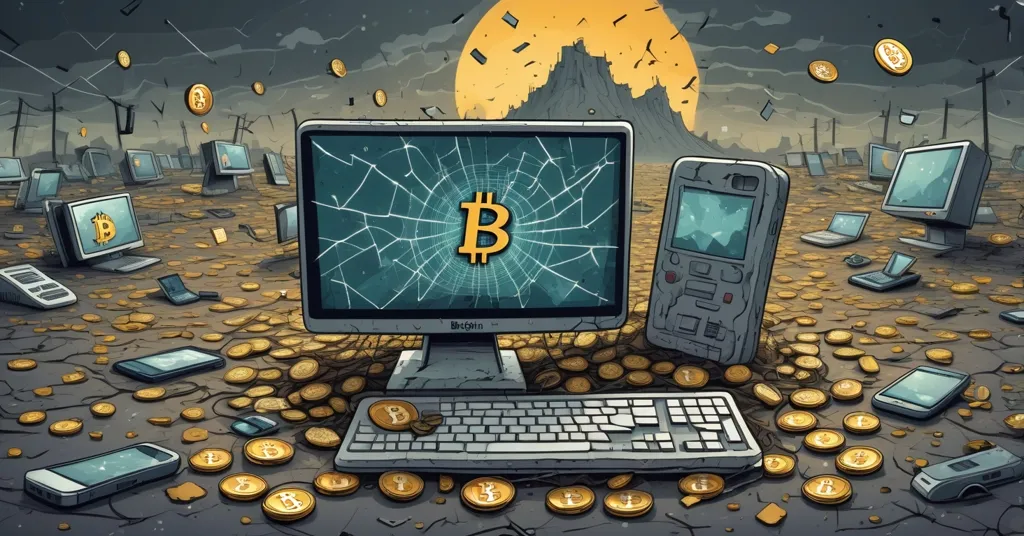
Crypto content on platforms like YouTube and TikTok, once a hotbed of hype and engagement, is now hemorrhaging viewers at a rate unseen since the bear market slump of early 2021. This nosedive isn’t just a bad month for influencers—it’s a glaring symptom of deeper issues among retail investors, from shattered trust to economic pivots. Let’s unpack why the once-vibrant crypto content space is turning into a digital wasteland.
- Historic Lows: Crypto content viewership crashes to levels last seen in the 2021 bear market.
- Trust Crisis: Scams and market losses drive retail investors away from crypto narratives.
- Shifting Focus: Viewers turn to gold and safer assets as crypto fails to deliver quick returns.
The data paints a grim picture. Benjamin Cowen of ITC Crypto, a well-known industry tracker, has analyzed viewership trends using a 30-day moving average and found a steady decline across major crypto YouTubers over the past three months. We’re talking a drop so consistent it’s like watching a slow-motion car wreck—except this one’s happening to engagement metrics like views, likes, and comments. Tom Crown, a seasoned YouTube creator, didn’t hold back on the pain, noting that October was his channel’s slowest growth period in years. Even with crypto prices swinging wildly, it’s done nothing to spark interest. As he put it, price volatility alone isn’t enough to drag viewers back to the screen.
“Price changes just aren’t cutting it anymore,” – Tom Crown, YouTube Creator
This isn’t a case of creators losing their charm; it’s a mass exodus of their core audience. Retail investors—the everyday folks who piled into Bitcoin and altcoins during the 2021 bull run with stars in their eyes—are ghosting the space. Bitcoin investor Polaris XBT has seen engagement tank on daily market updates and online discussions. The wild energy of crypto Twitter and Reddit, once a non-stop hype machine, now feels like a deserted alley. Another creator, Jesus Martinez, shared that while his subscriber count crept up post-2022, the raw interaction—comments, shares, the buzz—never came close to the 2021 peak when Bitcoin was smashing records and every video promised the moon.
So, what’s behind this retreat? A massive chunk of the problem is trust, or rather, the complete lack of it. TikTok creator Cloud9 Markets laid it out plain and simple: scams, rug pulls, and pump-and-dump schemes have torched viewer confidence. For those new to the game, a pump-and-dump is a sleazy trick where fraudsters hype a garbage token to spike its price, then dump their holdings, leaving latecomers with worthless bags. Rug pulls are even uglier—developers bait investors with a shiny new project, then vanish with the cash. High-profile disasters in the crypto world only deepen the wounds. As Cloud9 Markets bluntly stated, the carnage from shady projects has made viewers skeptical of anything crypto-related.
“Losses from shady projects and outright fraud have shattered trust,” – Cloud9 Markets, TikTok Creator
Beyond the scam epidemic, there’s an economic undercurrent at play. With crypto prices floundering and failing to deliver the instant riches peddled during bull runs, retail investors are jumping ship to more stable waters. Precious metals like gold are gaining traction as a safer bet, especially with projections showing stronger performance for gold in 2025 compared to crypto’s ongoing volatility. Unlike Bitcoin, which can tank or spike 10% on a random headline, gold offers a tangible anchor in shaky times. Retail players aren’t buying the “store of value” sermon anymore—they want gains today, not a decade from now when decentralized finance (DeFi) might finally upend traditional banking. For clarity, DeFi refers to financial systems built on blockchain tech, aiming to cut out middlemen like banks through peer-to-peer lending, borrowing, and trading.
But let’s not bury the lede entirely. There’s a faint pulse of optimism buried in the rubble. On-chain analytics firm Santiment, which tracks market trends by analyzing blockchain transaction data and online chatter, reports a gradual uptick in positive sentiment toward Bitcoin. Think more favorable tweets, forum posts, and general buzz—though it’s not yet translating to clicks on YouTube. Ethereum, the second-largest blockchain by market cap and a hub for innovations like smart contracts (self-executing agreements coded on the blockchain), remains a mixed bag with no clear sentiment trend. This uncertainty mirrors the broader market’s struggle to craft a compelling story that reels retail interest back in.
Stepping back, this viewership crash fits the cyclical nature of crypto mania. Bull markets draw crowds with skyrocketing prices and dreams of overnight wealth, while bear markets—like the slog we’re in now—expose the rot: unsustainable projects, rampant fraud, and the cold truth that most tokens are digital lottery tickets with worse odds. Content creators, often riding the wave of hype, are left juggling for an empty crowd when the music stops. And can we really blame the audience for tuning out? If you’ve been burned by a meme coin or wiped out on a leveraged trade, are you itching to watch “Top 5 Altcoins to 100x” for the hundredth time?
Let’s dig into some historical context. This isn’t the first time crypto content has hit a wall. Back in the 2017-2018 bear market, after Bitcoin’s first major run to nearly $20,000, engagement similarly cratered as retail investors licked their wounds. Channels that survived did so by pivoting—focusing on education over hype, breaking down complex topics like mining or wallet security for newbies. Today’s creators might need a similar playbook. Instead of chasing viral clickbait, why not double down on tutorials or transparency? Explain how to spot a scam, or deep-dive into Bitcoin’s fundamentals as a hedge against inflation. Substance over sizzle could be the lifeline they need.
Speaking of Bitcoin, as champions of decentralization at Let’s Talk, Bitcoin, we stand firm on its core promise: financial sovereignty, privacy, and a hard no to corrupt, centralized systems. But we’re not wearing rose-colored glasses. The industry’s underbelly—fraud, speculative bubbles, and outright grift—is a festering mess that needs a serious cleanup before retail trust can be rebuilt. Bitcoin remains the bedrock, the battle-tested foundation of this revolution, but altcoins and platforms like Ethereum have their place, driving innovation in DeFi and beyond that Bitcoin isn’t built to handle. Still, the content space needs a reckoning. Creators must ditch the shilling and fake price predictions—enough with the “$100K Bitcoin by next Tuesday” garbage. Give us raw, honest takes, or get lost in the noise.
Another angle worth exploring is the split between Bitcoin-focused content and altcoin narratives. Bitcoin videos often lean ideological, preaching freedom and anti-establishment vibes, which can resonate even in down markets. Altcoin content, especially around Ethereum or DeFi, tends to be speculative or overly technical—think yield farming or layer-2 scaling solutions. These topics can bore or baffle retail viewers who just want quick wins, not a lecture on blockchain architecture. This mismatch might explain why some corners of the content space are hit harder than others. Ethereum creators, in particular, face an uphill battle selling complex innovation when the audience is still nursing losses from the last hype cycle.
Now, let’s play devil’s advocate. Is declining viewership really a death knell for crypto adoption? Not necessarily. While retail hype fades, other channels are quietly thriving. Institutional interest in Bitcoin—think hedge funds and ETFs—continues to grow, even if it doesn’t make for sexy YouTube thumbnails. Developer activity on platforms like GitHub, where open-source blockchain projects are built, remains robust. The future of decentralized tech might not hinge on viral videos but on enterprise solutions or grassroots innovation that flies under the radar. Retail disengagement stings, but it could just be a pivot point, not a funeral.
Still, the road ahead for crypto content creators looks rough. They’re not just fighting algorithm changes or platform fatigue—they’re up against a battered narrative of greed and broken promises. Bitcoin and blockchain tech still carry transformative power: freedom from overreaching control, privacy in an age of surveillance, and a defiant middle finger to the status quo. But if the community—creators, investors, and platforms—doesn’t prioritize transparency over get-rich-quick schemes, we risk turning temporary apathy into permanent indifference. The next bull run might bring viewers back, or it might not. Either way, the content space needs to evolve, and fast, to keep the dream of mass adoption alive. For more insight into this trend, check out the latest report on crypto content creators struggling with historic low viewership.
Key Takeaways and Questions
- Why has crypto content viewership dropped to 2021 lows?
Retail investor disinterest, driven by heavy market losses, rampant cryptocurrency scams like rug pulls, and a shift to safer assets like gold, has gutted engagement on platforms like YouTube and TikTok. - How are content creators impacted by this decline?
YouTubers and TikTokers face stagnant growth, with plummeting views, likes, and comments, unable to replicate the explosive interaction of the 2021 Bitcoin bull run despite volatile prices. - What role do scams play in eroding trust in crypto content?
Pump-and-dump schemes and rug pulls have burned countless investors, fostering deep skepticism toward new blockchain projects and making viewers wary of crypto content as a reliable source. - Are there any signs of recovery for Bitcoin content interest?
Santiment’s on-chain data shows a slow rise in positive Bitcoin sentiment online, hinting at potential renewed interest, though this hasn’t yet boosted viewership numbers for creators. - How can crypto content creators rebuild viewer trust?
By abandoning hype-driven narratives and baseless price predictions, and instead focusing on honest education about blockchain tech, decentralization benefits, and realistic market insights, creators can regain credibility. - Does declining viewership mean the end of retail crypto adoption?
Not necessarily—while retail engagement wanes, institutional interest and developer activity in blockchain tech persist, suggesting Bitcoin and decentralized systems may evolve beyond retail hype cycles.