Vitalik Buterin Sells $29K in Memecoins, Ignites Debate on Airdrop Ethics
 LTB
LTB Vitalik Buterin Sells $29,400 in Unsolicited Memecoins, Sparks Airdrop Ethics Debate
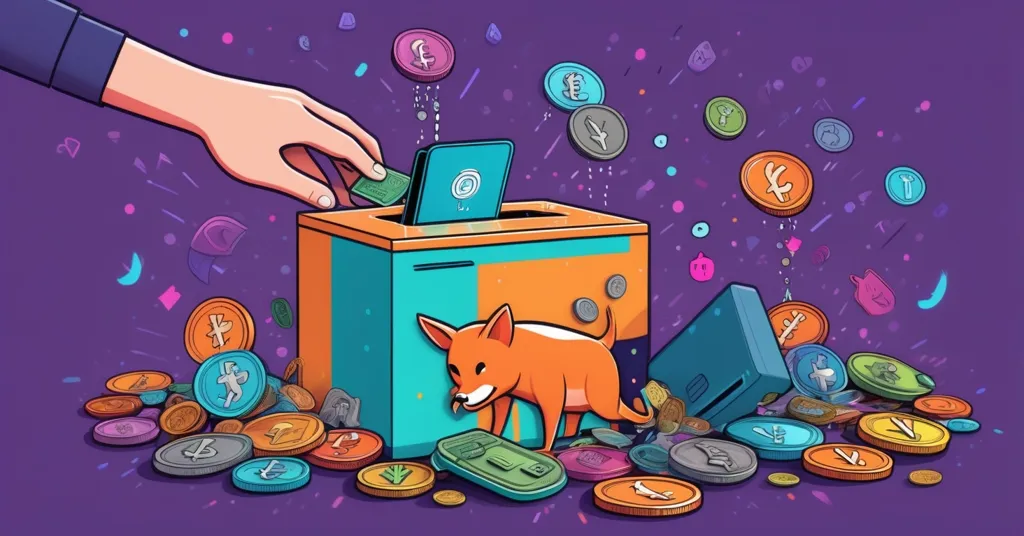
Ethereum co-founder Vitalik Buterin has once again liquidated a batch of unsolicited memecoins sent to his public wallet, converting them into roughly 9.4 ETH, valued at approximately $29,400. Tracked by blockchain analytics platform Arkham Intelligence, this sale highlights Buterin’s firm stance against speculative token airdrops and his ongoing practice of redirecting such funds to charity, fueling a broader conversation about ethics in the crypto space.
- Recent Sale: Buterin swapped tokens like WOOLLY, IZZY, OP, DEGEN, and CHIB for 9.4 ETH (~$29,400).
- Transaction Tools: Swaps executed via decentralized platforms like LiFi, Socket Gateway, and Across Protocol.
- Ethical Stand: Proceeds often donated to charity, reinforcing his criticism of promotional token dumps.
Details of Buterin’s Latest Memecoin Dump
Hours before the transaction hit the news cycle, Buterin offloaded a collection of unsolicited memecoins through a series of swaps on decentralized exchange aggregators. For those new to the term, these aggregators are tools that scour multiple decentralized trading platforms to secure the best price for swapping tokens—think of them as a price comparison engine for crypto trades. The specific tokens sold included 7.528 OP, 4.508 million DEGEN, 23.988 million CHIB, 13.628 million IZZY, and an undisclosed amount of WOOLLY. A significant portion of the return, 4.496 ETH, came through Across Protocol from a bundled token position. Memecoins, for the uninitiated, are typically low-value cryptocurrencies often birthed from internet memes or hype, carrying little to no real utility beyond speculative trading or marketing stunts.
Buterin’s wallet, a public target for such airdrops, often gets inundated as projects hope to gain visibility or imply endorsement by associating with a big name in the crypto world. Yet, he’s consistently rejected this tactic. As he’s stated publicly:
“Many projects have opted to send a substantial chunk of their supply to me. Anything that gets sent to me gets donated to charity too, though I truly prefer if you guys send to charity directly.”
This isn’t a one-off move. Blockchain data from sources like Lookonchain reveals a pattern of sales: last October, he cashed out 275 trillion CatCoin for $14,200; in January, he liquidated $139,000 worth of memecoins; and on October 10, he sold tokens for a hefty $2.78 million (1,101 ETH). What ties these actions together is his commitment to philanthropy, often redirecting proceeds to meaningful causes. In one instance, he noted:
“I appreciate all the memecoins that donate portions of their supply directly to charity. Anything that gets sent to me gets donated to charity too (thanks, moodeng!). The 10B from today is going to anti-airborne-disease tech.”
While this latest sale of $29,400 pales compared to some of his prior dumps, it still shines a harsh light on persistent issues within the cryptocurrency industry. Airdropping tokens to high-profile wallets like Buterin’s is often a cheap marketing ploy, banking on the assumption that association with a whale—an industry term for someone holding massive amounts of crypto—will pump a token’s price or legitimacy. But when someone with Buterin’s clout, who holds over $763 million in on-chain assets including 240,000 ETH worth $752 million, publicly rejects these tokens, it’s a slap in the face to hype-driven projects. His portfolio, by the way, has seen some turbulence lately, shedding over $7 million in the past week and $30 million in the last month due to price drops in smaller, less stable tokens.
The Memecoin Menace: Hype Over Substance
Let’s be blunt: the memecoin craze is often a cesspool of scams and rug pulls, preying on naive investors dreaming of the next Dogecoin jackpot. A rug pull, for clarity, is a scam where developers of a crypto project hype it up, collect investor funds, then abandon it—disappearing with the money and leaving the token worthless. These tokens flood blockchains like Ethereum, which remains the backbone of decentralized finance (DeFi) and non-fungible tokens (NFTs), but also bears the burden of hosting countless speculative projects. At the time of Buterin’s swaps, ETH traded at around $3,136, with a slight 0.8% uptick to just over $3,090, according to Coingecko data. Yet, Ethereum struggles with high gas fees—transaction costs akin to tolls on a busy highway—and scalability issues, even after its 2022 transition to Proof of Stake, often called “the merge,” which aimed to cut energy use and lower costs.
Unsolicited airdrops add another layer of frustration. Imagine checking your bank account only to find thousands of worthless gift cards you didn’t request—and now you owe taxes on them. That’s the absurdity Buterin faces. In many countries, receiving tokens via airdrop is considered taxable income based on their market value at the time of receipt. For someone of his stature, this could mean a bureaucratic nightmare, with tax bills piling up for assets he never wanted. His response? Dump the tokens, convert them to ETH, and often funnel the proceeds to causes like anti-airborne-disease technology, turning digital trash into tangible good.
Airdrops: Marketing Genius or Ethical Mess?
Buterin’s consistent rejection of unsolicited crypto airdrops fuels a critical debate in our space. On one hand, these airdrops can be seen as part of crypto’s wild west charm—a decentralized free-for-all where anyone can distribute tokens however they please. Some even argue they democratize access, giving small investors a shot at early stakes in a project. But when targeted at whales like Buterin, they often just clog wallets and fuel speculation. Worse, they can mislead retail investors into believing a project has backing from a big name, a manipulative tactic that smells of market distortion.
There’s also the legal gray area. Regulators in various jurisdictions are starting to scrutinize airdrops, questioning whether they constitute securities offerings or taxable events. For now, the lack of clear guidelines leaves recipients like Buterin in a bind, stuck navigating potential liabilities while projects exploit the loophole for clout. If you’re a memecoin creator thinking a wallet drop to Buterin is your golden ticket, think again—he’s more likely to donate your so-called “moonshot” to charity than shill it on social media. And frankly, good for him. Projects with real value don’t need to spam wallets; they build something worth talking about.
Industry Ripple Effects and Ethereum’s Role
Zooming out, Buterin’s actions ripple beyond just a few memecoin price charts. When he dumps tokens like DEGEN or CHIB, it often tanks their value, sending a clear signal: association with influencers doesn’t guarantee success. This can cool speculative frenzy around certain projects, though it hardly dents the broader memecoin mania that’s persisted since Dogecoin’s rise. Ethereum, as the primary host for many of these tokens, bears a reputational burden—sometimes seen as a playground for scams rather than the serious DeFi platform it strives to be. Yet, optimism remains, with upcoming Layer 2 solutions like rollups promising to slash transaction costs and boost scalability, potentially refocusing the ecosystem on utility over hype.
Contrast this with Bitcoin, often dubbed digital gold for its scarcity and stability. While Ethereum’s ecosystem breeds speculative tokens, Bitcoin’s narrative as a store of value sidesteps much of this nonsense—something Buterin seems to indirectly critique by distancing himself from memecoin clutter. Still, this isn’t just an Ethereum problem. Chains like Solana and Binance Smart Chain also grapple with memecoin spam and airdrop abuse, pointing to a systemic issue across the crypto landscape. Could tech solutions like wallet filters to reject unsolicited tokens or industry standards for airdrop consent help? Perhaps, but until then, figures like Buterin play a dual role as innovators and gatekeepers, pushing for a future where substance trumps gimmicks.
Key Questions and Takeaways on Vitalik Buterin’s Memecoin Sales
- Why does Vitalik Buterin keep selling unsolicited memecoins from his Ethereum wallet?
Buterin rejects these tokens due to their speculative nature and lack of real utility, converting them to ETH and donating proceeds to causes like anti-airborne-disease tech, turning unwanted hype into societal impact. - What motivates crypto projects to airdrop tokens to high-profile figures like Buterin?
Projects use airdrops as a low-cost marketing tactic, hoping implied endorsements from big names will boost token prices or credibility, though it frequently backfires when tokens are publicly dumped. - How do Buterin’s memecoin sales impact token prices and investor perception?
His sales often depress the value of tokens like DEGEN or CHIB, signaling to investors that association with influencers doesn’t ensure legitimacy, while exposing the risks of speculative crypto investments. - What ethical and legal issues arise from unsolicited crypto airdrops?
Airdrops raise concerns about market manipulation by misleading investors on legitimacy, and create tax burdens as received tokens may be taxed as income, burdening recipients with unwanted liabilities. - How does Buterin’s $763 million portfolio reflect his influence on Ethereum’s future?
With 240,000 ETH as his core holding, Buterin’s massive stake underscores his pivotal role in Ethereum’s trajectory, though losses in smaller tokens highlight market volatility’s reach even to whales. - Could better norms or tech solutions curb the memecoin airdrop problem in crypto?
Innovations like wallet filters to block unsolicited tokens or industry standards for airdrop consent could reduce spam, while regulatory clarity on taxation might deter manipulative practices, nudging crypto toward maturity.
Vitalik Buterin’s latest memecoin sale is more than just a transaction—it’s a statement. While his $29,400 dump is a drop in the bucket compared to his sprawling portfolio, it underscores a persistent clash between decentralization’s freedom and its chaos. As Ethereum navigates its own technical hurdles and the crypto market wrestles with speculative excess, Buterin’s rejections pose a burning question: Will public pushback finally deter memecoin creators, or is this just another round in crypto’s endless cat-and-mouse game of hype versus value? For now, his actions remind us all—newcomers and OGs alike—that in this space, utility must ultimately reign supreme.