Gold and Silver Hit 2026 Records: Bitcoin Faces Wake-Up Call in Crisis
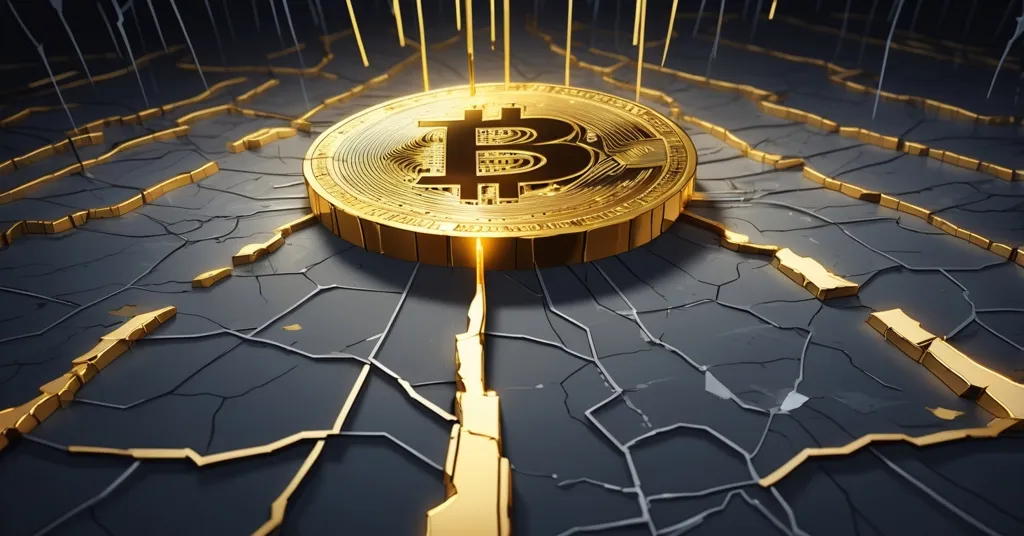
 LTB
LTB Gold and Silver Smash 2026 Records: A Wake-Up Call for Bitcoin and Crypto
Gold and silver have roared to historic highs in early 2026, with gold breaking $4,633.46 per ounce and silver blasting past $90.42. Fueled by a deadly mix of U.S.-China trade conflicts, supply strangulation from export bans, and political turmoil in the U.S., these surges are more than just commodity news—they’re a glaring signal of systemic cracks that Bitcoin and decentralized tech were built to address.
- Unprecedented Prices: Gold at $4,633.46 and silver at $90.42 per ounce in early 2026.
- 2025 Surge: Gold up 65%, silver skyrocketing 150% last year.
- Key Drivers: Geopolitical clashes, supply constraints, and U.S. political scandals push investors to safe havens.
Geopolitical Firestorm: The Catalyst for Metal Mania
The stage for this precious metals rally was set long before 2026. It kicked off with Russia’s 2022 invasion of Ukraine, a geopolitical shockwave that rattled commodity markets and set a precedent for instability. Fast forward to April 2025, when Donald Trump’s tariff declarations—branded with his characteristic “liberation day” flair—hit like a gut punch to global trade. Targeting Chinese goods, these policies triggered a swift counterattack from Beijing. Under Xi Jinping, China imposed export restrictions on rare earths and silver, materials vital for everything from AI chips to electric vehicle batteries. This isn’t just trade policy; it’s resource nationalism, where countries hoard critical supplies for economic and political leverage, as Daniel Casali of Evelyn Partners sharply noted:
“When Trump started to raise tariffs, China started to respond, so they pulled out what I would define as a battle between the U.S. and China of resource nationalism.”
Casali also speculated on a potential Trump-Xi meeting in April 2026, adding:
“How that goes? No idea. But you bet your bottom dollar export controls are going to be a key discussion point.”
These restrictions have real teeth. Global supply chains are choking, with the U.S. and Europe scrambling for materials essential to tech and defense industries. Add to this the U.S.-orchestrated ousting of Venezuela’s Nicolas Maduro, disrupting oil flows to China, and you’ve got a geopolitical stew keeping markets on a razor’s edge. The fallout? Investors piling into gold as the ultimate hedge against uncertainty, with prices jumping 7.1% year-to-date in 2026 on top of last year’s 65% gain. For deeper insight into the political and trade dynamics at play, check out this analysis on Trump’s impact and China’s export bans driving gold and silver prices.
Silver’s Industrial Crunch: A Supply Nightmare
While gold grabs headlines as a safe haven, silver’s story is arguably more brutal. Its price has soared 26.6% already in 2026, after a staggering 150% rise in 2025, driven by a perfect storm of industrial demand and supply shortages. Silver isn’t just a shiny store of value; it’s the backbone of modern tech—think solar panels, electronics, and even missiles. As Ned Naylor-Leyland of Jupiter Asset Management put it with stark clarity:
“The thing about silver is, if you don’t have it, you can’t build anything. Whether it’s electronics or white goods or missiles or cars, you don’t have it, you can’t have it.”
The numbers back this up. Physical silver trading in markets like Shanghai and India shows premiums as high as $10 per ounce, a clear sign of desperate shortages. China’s export bans have tightened the noose, leaving industries worldwide in a bind. With the global push for electrification and renewable energy only accelerating, silver’s demand isn’t speculative—it’s fundamental. This isn’t a bubble waiting to pop; it’s a structural mismatch that could persist for years unless alternative materials or sources emerge.
Central Bank Chaos: Trust in Freefall
Closer to home, the U.S. is dealing with its own brand of insanity. Federal Reserve Chair Jerome Powell is under criminal investigation tied to a $2.5 billion renovation of the Fed’s headquarters. Let that sink in—a central banker, the supposed guardian of monetary stability, is caught in a scandal that’s shaking faith in the system. This isn’t just tabloid drama; it’s a direct hit to Federal Reserve independence, a cornerstone of modern economics. The European Central Bank and Bank of England have issued rare joint statements of support for Powell, a sign that global financial elites are sweating bullets over the implications.
Why does this matter? When trust in central banks erodes, so does confidence in fiat currencies like the dollar. Historically, this drives capital into safe havens like gold—a pattern we’re seeing play out in real time. And with whispers of U.S. government shutdowns and ballooning budget deficits adding to the mess, the dollar’s stability looks more fragile by the day. If central bankers are renovating their way into scandals, maybe it’s time we renovate our trust in something less centralized—like Bitcoin.
Price Forecasts: Bold Claims, Big Risks
So, where are gold and silver headed? Analysts are throwing out numbers that sound like they belong in a sci-fi novel. Ned Naylor-Leyland didn’t hold back, asserting:
“It was ‘absolutely’ possible for gold to reach $5,000 this year and for silver to break $100… investors ‘should assume that that would definitely happen this year.’”
Let’s be real—predicting $5,000 gold or $100 silver with “absolute” certainty reeks of hype. Yes, the fundamentals are there: persistent supply shortages, unrelenting industrial demand for silver, and geopolitical risks that show no sign of easing. Central banks might also lean dovish—meaning lower interest rates and more money printing to prop up economies—which often weakens currencies and boosts precious metals. But markets don’t run on feelings or bold claims. Historical commodity rallies have seen sharp corrections when tensions ease or alternative solutions emerge. Investors should weigh these forecasts with hard skepticism, not blind faith.
Bitcoin as Digital Gold: A Parallel Narrative
For those of us in the crypto space, this precious metals frenzy hits close to home. The forces driving gold and silver skyward—distrust in centralized systems, currency devaluation fears, and global instability—are the exact reasons Bitcoin was created. Satoshi Nakamoto envisioned a decentralized store of value free from government meddling or central bank whims, and 2026’s chaos is a textbook case for why that matters. During past crises, like the 2022 Ukraine conflict or the 2020 COVID stimulus bonanza, Bitcoin saw significant inflows as investors sought hedges outside traditional systems. Don’t be shocked if this commodity surge gives BTC a similar tailwind as a digital safe haven.
But let’s play devil’s advocate. Can Bitcoin and gold coexist as safe havens, or will one steal the other’s thunder? Gold has physical tangibility and centuries of trust behind it, while Bitcoin offers a digital edge—borderless, censorship-resistant, and tailored for a tech-savvy generation. Younger investors might lean toward BTC’s promise of disruption, but in a true crisis, will they ditch the blockchain for something they can hold? It’s a tension worth watching as both assets vie for capital in uncertain times.
Blockchain Beyond Bitcoin: Solutions for Supply Chaos
Bitcoin isn’t the only crypto angle here. Silver’s supply crunch exposes a glaring weakness in global trade—centralized control over critical resources. This is where blockchain technology, beyond just BTC, can shine. Platforms like VeChain or Ethereum-based supply chain solutions offer transparency and efficiency, tracking raw materials from source to product with immutable records. Imagine tokenized commodities on a blockchain, cutting through the opacity of export bans and resource hoarding. Altcoins and protocols filling niches like this show why the broader decentralized ecosystem matters, even if Bitcoin maximalists might grumble. These innovations could mitigate the worst effects of resource nationalism, proving that blockchain isn’t just a speculative toy—it’s a tool for resilience.
Key Takeaways: Unpacking the Chaos for Crypto Enthusiasts
- What’s fueling the record-breaking gold and silver prices in 2026?
A nasty brew of U.S.-China trade wars, China’s export bans on critical materials like silver, and U.S. political instability, including the Federal Reserve Chair’s scandal, are pushing investors into these traditional safe havens. - How does this commodity surge impact Bitcoin and crypto markets?
The same distrust in centralized systems and economic uncertainty driving gold’s rise also boosts Bitcoin’s appeal as a decentralized store of value, likely spurring interest as a digital hedge against fiat weakness. - Can blockchain tech help solve supply chain issues from resource nationalism?
Absolutely—projects like VeChain or Ethereum-based tracking systems can bring transparency to commodity flows, potentially easing shortages by cutting through centralized bottlenecks and opacity. - Should we buy into bold price predictions for gold, silver, or even Bitcoin?
Take them with a hefty dose of doubt. While based on real risks and shortages, such forecasts often lean on hype. Stick to fundamentals—supply-demand dynamics and market sentiment—over sensational numbers. - What’s the broader lesson for decentralization in this mess?
Centralized failures, from Fed scandals to supply chain breakdowns, scream the need for decentralized systems like Bitcoin and blockchain to forge a financial future that doesn’t crack under pressure.
The world is a tinderbox right now, and precious metals are the canary in the coal mine. Gold and silver aren’t just breaking records; they’re exposing the fragility of centralized control—whether it’s governments, central banks, or supply chains. For Bitcoin maximalists, this is vindication: decentralization isn’t a buzzword, it’s a necessity. For altcoin advocates and blockchain builders, it’s a challenge to innovate solutions that can outlast these storms. The future of finance must be digital, yes, but above all, it must be unbreakable. If 2026 is any indication, we’ve got a long, wild road ahead. Pack your bags—whether it’s gold bars or Bitcoin keys, you’ll want something solid to hold onto.