DOJ Crypto Scandal, DeepSnitch AI Hype, and Altcoin Woes: 2023’s Crypto Chaos
 LTB
LTB DOJ Crypto Conflict, DeepSnitch AI Presale Hype, and Altcoin Struggles: 2023 Updates
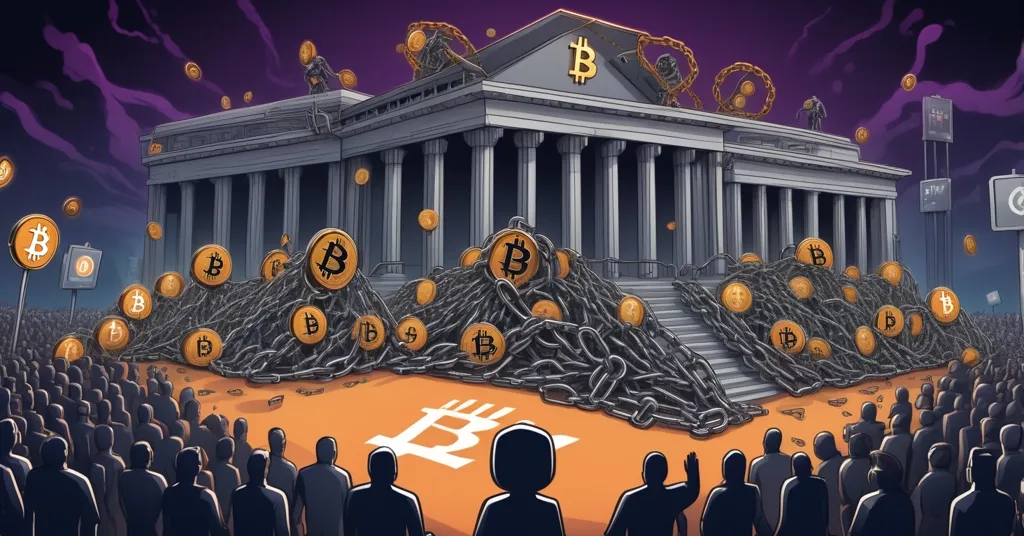
A regulatory storm is brewing in Washington as U.S. senators confront a Department of Justice official over potential conflicts of interest tied to crypto holdings, while a new presale project, DeepSnitch AI, dangles promises of AI-driven innovation with questionable credibility. Meanwhile, altcoins like Shiba Inu and TRON drag their feet with lackluster price action, painting a picture of a market caught between government overreach and speculative exhaustion.
- DOJ Ethics Probe: Six Democratic senators question Deputy AG Todd Blanche’s crypto investments amid cuts to federal enforcement.
- DeepSnitch AI Claims: Presale project raises $1.41M, touting AI blockchain tools but sparking skepticism with “100X moonshot” hype.
- Altcoin Weakness: Shiba Inu (SHIB) and TRON (TRX) show stagnant prices, reflecting broader fatigue in speculative tokens.
DOJ Under Fire: Conflict of Interest or Regulatory Relief?
The crypto world is no stranger to regulatory battles, but the latest clash in Washington hits a particularly raw nerve. Six U.S. Democratic senators have sent a pointed letter to Deputy Attorney General Todd Blanche, demanding answers about his personal crypto holdings—valued between $158,000 and $470,000. This isn’t just a side hustle; it’s a potential conflict of interest, especially since Blanche has overseen a significant reduction in federal crypto enforcement efforts, including the disbandment of the National Cryptocurrency Enforcement Team (NCET). For those new to the space, the NCET was a specialized unit launched in 2021 to combat crypto-related crimes like money laundering and ransomware payments, a crucial bulwark in a market often exploited by bad actors.
Why does this matter? When a high-ranking official with a financial stake in crypto is making decisions that could shape market oversight, it raises serious doubts about impartiality. Are these policy shifts driven by personal gain, or a genuine belief that less regulation benefits the industry? The senators are pressing for transparency, and rightfully so. Bitcoin was built on the promise of escaping centralized control, yet here we are, peering into a potential case of the fox guarding the henhouse. This isn’t mere political theater—it’s a fundamental test of whether the decentralized ethos of crypto can withstand interference from those with divided loyalties.
Looking back, the DOJ has flexed serious muscle in crypto enforcement, from seizing billions in stolen Bitcoin during the Bitfinex hack case to cracking down on darknet markets. Slashing resources now, especially under such murky circumstances, could create openings for fraudsters and illicit networks to thrive. For Bitcoin maximalists, this only cements the case for a system that doesn’t hinge on flawed human oversight. Yet, there’s a flip side: some industry players argue that heavy-handed regulation stifles innovation, and a lighter touch could foster growth. Is Blanche a villain or an accidental ally? The jury’s out, but one thing is clear—this saga underscores the ongoing tug-of-war between freedom and control in the crypto space.
DeepSnitch AI: Innovation or Empty Hype?
Turning to the latest buzz in the crypto market, DeepSnitch AI is grabbing headlines with its Stage 5 presale, having raised $1.41 million at a token price of $0.03755. They’re even tossing in a 50% bonus for investors using the code DSNTVIP50—a classic “hurry up and buy” gimmick that should make any seasoned investor pause. The project markets itself as a cutting-edge solution, deploying five AI agents for round-the-clock blockchain monitoring. Features like AuditSnitch and SnitchFeed purportedly offer risk assessments, forensic audits (think deep dives into transaction histories for fraud detection), and real-time market signals to help users sidestep volatility or regulatory pitfalls.
Imagine blockchain monitoring as a high-tech surveillance system for digital transactions, scanning for red flags like suspicious transfers or smart contract vulnerabilities. The idea has merit—crypto markets generate mountains of data, and AI could theoretically spot patterns or threats faster than any human trader. But let’s slam on the brakes before we get carried away. DeepSnitch’s claim of “100X moonshot potential” smells like the kind of baseless shilling that’s fleeced countless investors in dodgy presales. The crypto space is littered with failed projects that hyped big returns only to vanish in a puff of smoke—often after a “rug pull,” where founders abandon ship with investor funds.
For those new to this game, presales are like crowdfunding campaigns for crypto projects: you’re betting on a concept before the product is built, with no guarantee it’ll ever deliver. Data from platforms like CoinGecko shows over half of presale tokens tank to near-zero value within a year due to mismanagement or outright scams. Compare this to established blockchain analytics firms like Chainalysis, which have earned trust by aiding law enforcement with real, proven tools. DeepSnitch offers no such track record, no independent audits, no verifiable demos—just slick marketing. Could AI redefine crypto trading? Sure, in the right hands. But without hard evidence, this project looks more like a lottery ticket than a revolution. If you’re tempted, tread lightly—FOMO (fear of missing out) is a hell of a drug.
Altcoin Blues: Shiba Inu and TRON Stuck in Neutral
Shifting focus to the altcoin arena, the updates for Shiba Inu (SHIB) and TRON (TRX) are about as gripping as a tax audit. As of January 30, SHIB is languishing at $0.00000727, unable to punch through resistance at $0.00000750—a price level where selling pressure tends to cap gains. Support sits at $0.00000678, a potential fallback if sentiment deteriorates further. If you’re unfamiliar, resistance and support are critical thresholds traders watch: resistance blocks upward moves, while support acts as a floor against declines. SHIB, once a meme coin darling propelled by viral dog memes and social media hype, seems to have lost its mojo. Efforts like Shibarium, a layer-2 network meant to boost scalability, have yet to ignite real adoption. Is this token just a fading internet joke, or can its community rally for a comeback? For more on SHIB and TRX market trends, check out the latest analysis on Shiba Inu and TRON price movements.
TRON (TRX) isn’t exactly setting the world on fire either, trading at $0.29 and failing to crack resistance between $0.295 and $0.299. Analysts warn of a possible dip to $0.282 if buying momentum doesn’t pick up. For the uninitiated, TRON is a blockchain platform focused on decentralizing content and entertainment, positioning itself as a rival to Ethereum for hosting decentralized applications (dApps)—think streaming services or games without a central overseer. It’s gained some traction with stablecoin transactions like USDT, but wider usage remains elusive. Both SHIB and TRX’s struggles mirror a broader trend: CoinMarketCap data shows many altcoins down 20-30% from late 2022 highs, as speculative fervor cools without fresh catalysts.
For Bitcoin purists like myself, this stagnation is hardly a shock—why bet on fleeting hype when BTC offers a battle-tested store of value? Still, let’s not write off altcoins entirely. Ethereum’s smart contract dominance and TRON’s niche in content sharing address use cases Bitcoin doesn’t target, adding resilience to the broader ecosystem. Diversity is a strength, even if I’d argue most altcoins are just noise compared to the signal of Bitcoin’s mission. The question lingers: can these tokens carve out sustainable value, or are they doomed to be sidelined in a risk-off market?
Connecting the Dots: Regulation, Hype, and Bitcoin’s Edge
Zooming out, these stories weave a complex tapestry of challenges and opportunities. The DOJ probe into Todd Blanche’s holdings highlights the fragile balance between regulatory oversight and the decentralized ideals crypto champions. It’s a bitter irony that Bitcoin, designed to bypass such centralized meddling, remains vulnerable to the whims of policymakers—though its global, permissionless nature offers a shield altcoins often lack. Meanwhile, projects like DeepSnitch AI exploit the thirst for innovation, promising tools that could, in a perfect world, empower traders, but their unproven claims remind us of the scams that plague this space. SHIB and TRX’s lack of momentum only drives home the point: speculative bubbles pop, and fundamentals endure.
As advocates of effective accelerationism, we cheer the disruptive potential of blockchain tech to upend outdated financial systems, but not at the cost of blind faith in every shiny new token. Bitcoin remains the north star—unapologetically focused on sovereignty and value preservation. Yet, the ecosystem thrives on experimentation, even if 9 out of 10 altcoins or presales turn out to be duds. Regulatory uncertainty and hype-driven schemes are hurdles, not dead ends. The path to mass adoption demands we stay sharp, champion decentralization, and separate wheat from chaff.
Key Takeaways and Questions for Crypto Enthusiasts
- Why is DOJ crypto regulation facing scrutiny in 2023?
Deputy AG Todd Blanche’s $158,000-$470,000 in crypto holdings raises conflict-of-interest fears, especially as he cuts key enforcement like the NCET, potentially skewing fair oversight. - Is DeepSnitch AI presale a worthwhile investment?
Doubtful—$1.41M raised and “100X moonshot” boasts sound like speculative hype in a market notorious for scams; wait for proven utility before risking your funds. - What do Shiba Inu and TRON price struggles signal for altcoins?
Their stagnant prices at $0.00000727 (SHIB) and $0.29 (TRX) reflect fading interest in speculative tokens, underscoring Bitcoin’s lead in a cautious market. - Could AI blockchain tools like DeepSnitch AI transform crypto trading?
In theory, yes—AI can analyze vast transaction data for unique insights, but untested projects often overpromise; proven players like Chainalysis set the bar DeepSnitch hasn’t met. - How does regulatory uncertainty impact Bitcoin’s outlook?
It’s a mixed bag—overreach could slow adoption, but Bitcoin’s decentralized backbone makes it more resistant than altcoins to government interference, solidifying its role as a safe haven.
The crypto frontier is a messy, thrilling battleground. From Washington’s power plays to presale snake oil and altcoin apathy, the stakes couldn’t be higher. Bitcoin stands as the bedrock of this financial uprising, but the broader ecosystem’s strength lies in pushing boundaries—provided we don’t let scams or overzealous regulators derail the mission. Stay skeptical, dig into the details, and keep the faith in decentralization. The road to 2023’s next big breakthrough is paved with pitfalls, but also unmatched potential. Let’s keep accelerating, eyes wide open.