South Korea Cracks Down on Crypto Exchanges After Bithumb’s $40B Bitcoin Blunder
 LTB
LTB South Korea Slams Crypto Exchanges After Bithumb’s $40B Bitcoin Disaster
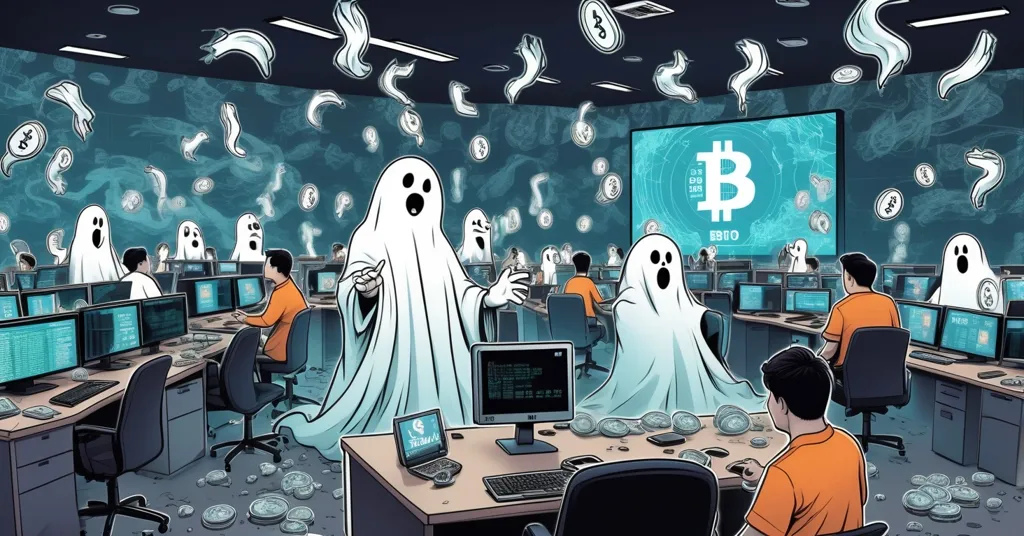
South Korea, a powerhouse in the global crypto trading scene, is facing a monumental scandal as Bithumb, its second-largest exchange, mistakenly distributed 620,000 Bitcoin—worth over $40 billion—to 249 users during a promotional event gone horribly wrong. This catastrophic error, now infamously dubbed the “ghost Bitcoin incident,” has ignited an intense regulatory backlash, exposing deep flaws in exchange operations and raising urgent questions about the safety of virtual assets.
- Bithumb’s Blunder: A $40 billion Bitcoin distribution to 249 users due to an employee error in a promo event.
- Regulatory Action: Emergency task force launched to audit asset reserves and controls at local exchanges.
- Legislative Overhaul: Plans to strengthen crypto laws, including updates to the Virtual Asset User Protection Act.
Bithumb’s Billion-Dollar Blunder
The fiasco unfolded during a “random box” promotional campaign, where a simple employee mistake led to the transfer of 620,000 BTC—a sum so staggering it boggles the mind. To put this in perspective, regulatory filings from last year show Bithumb held just 175 BTC on its own books and under 50,000 BTC across both its own and customer assets. So how on earth did their system even process a transaction for assets that didn’t exist? It’s not just a typo; it’s a screaming indictment of Bithumb’s internal controls and ledger management. While the exchange managed to recover 99% of the distributed Bitcoin—likely through a mix of user cooperation and account freezes—the trust in their platform has taken a brutal hit. For more details on this massive error, check out the full report on South Korea’s response to Bithumb’s Bitcoin mishap.
For those unfamiliar, “internal controls” are the safeguards and policies an exchange implements to prevent errors or fraud, like ensuring a system halts transactions if the funds aren’t there. “Ledger management” refers to tracking assets on the blockchain, the decentralized digital record that powers cryptocurrencies like Bitcoin. When these fail, you get “ghost Bitcoin”—phantom assets that appear in the system but aren’t real, much like writing a check for money you don’t have in your bank account. This can distort market prices and, in extreme cases, trigger panic or manipulation. Bithumb’s error isn’t just a glitch; it’s a neon sign pointing to systemic incompetence.
South Korea’s Regulatory Clampdown
South Korean authorities wasted no time reacting to this disaster. The Financial Supervisory Service (FSS), alongside the Korean Financial Intelligence Unit (KoFIU) and the Digital Asset eXchange Alliance (DAXA), has assembled an emergency task force to investigate Bithumb and other domestic exchanges. Their mission is clear: scrutinize virtual asset reserves, operational practices, and internal control systems to prevent another debacle. FSS Governor Lee Chan-jin didn’t hold back on the gravity of the situation:
“The incident bluntly exposed the structural flaws in virtual asset trading systems… There are many aspects of the case that we view as extremely serious.”
Beyond immediate inspections, the incident is shaping broader policy. The second phase of the Virtual Asset User Protection Act—a set of rules aimed at making crypto trading safer by holding exchanges accountable—is being fast-tracked with new measures to address these vulnerabilities. As Lee Chan-jin noted:
“While we are drawing up the second phase of virtual asset legislation, measures to address structural vulnerabilities at exchanges, exposed by the recent Bithumb incident, will be reflected.”
Authorities are also tackling market manipulation, a persistent scourge in crypto. Think pump-and-dump schemes, where bad actors artificially inflate a coin’s price with false hype before selling off for profit, or spreading fake news to sway markets. The Financial Services Commission (FSC) is exploring systems to freeze accounts and confiscate illicit gains, stopping suspects from cashing out unrealized profits—gains on paper that haven’t yet been withdrawn. Lee Chan-jin emphasized this focus:
“We will carry out planned investigations into major high-risk areas in the virtual asset market where unfair trading practices, such as market manipulation and the dissemination of false information, are a concern.”
Systemic Flaws in Crypto Exchanges
Let’s cut through the noise: this isn’t just about Bithumb screwing up. Kim Jiho, spokesperson for South Korea’s ruling Democratic Party, hit the nail on the head when addressing the deeper issues:
“The so-called ghost Bitcoin incident clearly revealed that, beyond a mere input error, there are structural weaknesses in internal controls and ledger management systems of cryptocurrency exchanges.”
Technically, how did this even happen? While exact details remain murky, it’s likely a combination of a user interface glitch, a database error, or a failure to validate transactions against actual blockchain holdings. Most exchanges should have checks to prevent transferring non-existent assets, but Bithumb’s systems clearly didn’t. This raises alarming questions about other platforms—are they equally vulnerable to a single fat-finger mistake creating billions in phantom funds?
South Korea’s crypto history adds fuel to the fire. Back in 2017, the “kimchi premium” saw Bitcoin trade at massive markups locally due to frenzied retail demand, drawing global attention. But with that hype came pain—hacks, scams, and exchange failures plagued the market, prompting a regulatory catch-up that’s still ongoing. Fast forward to now, and high-profile global flops like FTX’s 2022 collapse have only heightened scrutiny. South Korea’s response mirrors actions elsewhere—the U.S. SEC is cracking down on unregistered exchanges, while the EU’s MiCA framework aims for uniform crypto rules—but the Bithumb incident adds a uniquely urgent local flavor. As Lee Chan-jin put it:
“As virtual assets are being incorporated into the legacy financial system, there remains the task of strengthening the regulatory and supervisory framework. This could serve as an opportunity to put the system in place properly.”
Balancing Innovation and Oversight
Now, let’s play devil’s advocate. While tighter crypto exchange regulations might shield investors from disasters like Bithumb’s, could South Korea be shooting itself in the foot? Overzealous oversight risks stifling the very innovation that makes blockchain technology revolutionary. Startups and talent might flee to less regulated hubs like Singapore or Dubai, leaving South Korea’s crypto scene a ghost town. Retail Bitcoin adoption, already a cultural phenomenon here, could slow if users feel squeezed by red tape. Should authorities double down on control, or trust the community to self-regulate through better tech and transparency?
On the flip side, ignoring these flaws would be downright reckless. A single employee error creating $40 billion in ghost assets—with Bitcoin trading at $69,010 at the time of this report—shows how high the stakes are. Without intervention, investor trust erodes, and systemic risks grow as crypto integrates with traditional finance. But there’s a silver lining: stricter rules could force exchanges to adopt cutting-edge security, like multi-signature wallets (where multiple keys are needed to authorize transactions) or real-time auditing on the blockchain. This could rebuild trust and pave the way for safer mainstream adoption.
As a Bitcoin maximalist, I’ll be blunt: Bitcoin itself isn’t the villain here. Its strength lies in decentralization, and the mantra “not your keys, not your crypto” isn’t just a catchy slogan—it’s a lifeline. Centralized exchanges like Bithumb are the weak link, acting as middlemen who can fumble the ethos of freedom and privacy we champion. Yet, I’ll concede that altcoins and other blockchains, like Ethereum with its smart contract audits, might offer alternative models for exchange security. South Korea’s push, if balanced, could spur innovation across the board. But let’s not kid ourselves—exchanges need to get their house in order, or they’ll drag the entire industry into the mud.
The Path Forward for Crypto in South Korea
South Korea stands at a pivotal moment. The Bithumb disaster is a harsh lesson in the fragility of centralized platforms, but it’s also a chance to forge a more robust framework for virtual assets. As advocates of decentralization and effective accelerationism, we must demand systems that uphold liberty while rooting out incompetence and scams. No excuses—exchanges must step up with airtight tech and transparency, or they risk derailing the future of finance over a typo worth billions. This isn’t just about Bithumb; it’s about ensuring Bitcoin and blockchain technology can thrive without the baggage of preventable failures.
Key Takeaways and Questions
- What caused Bithumb’s $40 billion Bitcoin disaster in South Korea?
A human error during a “random box” promo led to distributing 620,000 non-existent Bitcoin to 249 users, revealing major flaws in Bithumb’s system for tracking and validating assets. - How is South Korea responding to Bithumb’s crypto exchange failure?
Authorities have launched an emergency task force via the FSS and KoFIU to audit asset reserves and controls at Bithumb and other exchanges, while pushing for stricter laws under the Virtual Asset User Protection Act. - What systemic issues in crypto exchanges did the Bithumb incident expose?
It uncovered critical weaknesses in internal controls and ledger management, allowing transactions of “ghost Bitcoin”—assets that don’t exist—posing risks of market distortion and fraud. - Will South Korea’s crypto regulations stifle blockchain innovation?
There’s a real risk that heavy-handed rules could drive startups and talent to less regulated hubs, though unchecked vulnerabilities could harm investors and slow adoption if ignored. - How does Bithumb’s blunder impact Bitcoin and decentralized finance?
It reinforces that Bitcoin’s strength is in decentralization, not centralized exchanges like Bithumb, and highlights the urgent need for robust, transparent systems as crypto merges with traditional finance. - Can tighter crypto rules in South Korea benefit the industry long-term?
Potentially—stricter oversight might push exchanges to adopt cutting-edge security like real-time audits, rebuilding trust and paving the way for safer mainstream adoption of Bitcoin and beyond.