France Crowned Crypto Kidnapping Capital Amid Violent 2026 Surge
 LTB
LTB France Named Crypto Kidnapping Capital as 2026 Opens with Violent Surge
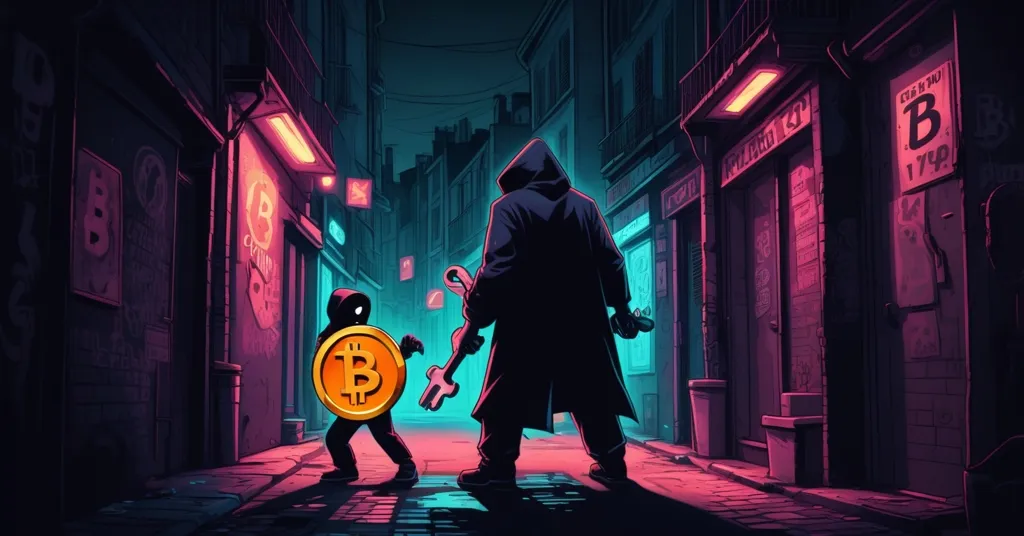
France has started 2026 under a dark cloud, earning the infamous title of the global crypto kidnapping capital due to a staggering wave of violent crimes targeting cryptocurrency holders. Dubbed “wrench attacks,” these brutal incidents involve physical coercion to steal digital assets, and France is now the epicenter of this disturbing trend, raising urgent questions about security, data protection, and the future of crypto adoption.
- Shocking Stats: France recorded 19 wrench attacks last year—highest worldwide—with six more already in early 2026.
- Notable Victims: High-profile cases include Binance France CEO David Prinçay and a magistrate’s family member.
- Data Breaches to Blame: Leaks from a tax agency and crypto tax app Waltio have exposed thousands to risk.
What Are Wrench Attacks, and Why Crypto?
For the uninitiated, wrench attacks are as grim as they sound. These are physical crimes where attackers use violence, threats, or even abduction to force victims to hand over access to their cryptocurrency wallets. Unlike traditional hacks targeting software vulnerabilities, wrench attacks go straight for the human element—often the weakest link in any security setup. They’re named for the blunt, brutal tools (or implied violence) used to coerce victims into revealing their private keys, which are essentially digital passwords that unlock a crypto wallet. Lose control of your private key, and you lose everything in that wallet—often millions in Bitcoin or other digital assets.
Why cryptocurrency? Simple: the value. Many individuals, often called crypto whales due to their large holdings, store significant wealth in digital form. With Bitcoin’s price soaring and altcoins gaining traction, these wallets are juicy targets. As Ari Redbord, Global Head of Policy at TRM Labs, pointed out:
“As cryptocurrency adoption grows and more value is held directly by individuals, criminals are increasingly incentivised to bypass technical defenses altogether and target people instead.”
Picture this: you’re a small-time Bitcoin investor who’s done well, holding a few coins in a personal wallet. Suddenly, masked intruders break into your home, demanding your private key at gunpoint. No amount of two-factor authentication can save you here—it’s raw, real-world fear. This isn’t fiction; it’s the reality for too many in France right now, as detailed in reports about France’s surge in violent crypto crimes.
Why France Leads in Crypto Crime
France’s unwanted crown as the crypto kidnapping capital isn’t just hype—it’s cold, hard data. Last year, the country saw 19 wrench attacks, more than any other nation, according to reports from outlets like WION. That’s compared to a global tally that’s already horrifying enough. Just in the first months of 2026, six more incidents have rocked France, showing no signs of slowing. But why France specifically? It’s not just random bad luck. High crypto adoption rates, particularly for Bitcoin, play a role—more users mean more targets. Combine that with a cultural tendency to display wealth (think flashy social media posts about crypto gains) and you’ve got a recipe for attracting criminals.
Then there’s the legal angle. Despite arrests, France hasn’t secured a single conviction for these crimes. Zero. This isn’t just a minor hiccup; it’s a gaping hole in deterrence. If you’re a thug looking for a quick score, why hesitate when the worst outcome is a brief stint in custody before walking free? Compare this to somewhere like Singapore, where strict laws and swift prosecutions make physical crypto theft less appealing. France’s softer approach—whether due to overburdened courts or outdated laws—has turned it into a playground for these violent opportunists. And let’s not ignore history: France has long dealt with organized crime networks. Are these wrench attacks a modern twist on old-school extortion rackets? It’s a question worth asking.
Data Breaches: The Root of the Crisis
One of the ugliest drivers behind France’s crypto crime wave is data breaches—blatant failures that hand criminals a roadmap to their victims. In June 2025, an employee at the French tax agency leaked sensitive information about crypto investors, basically gift-wrapping targets for kidnappers. Then, in January 2026, Waltio, a crypto tax reporting service, was hacked, exposing the data of 50,000 customers. For those unfamiliar, Waltio helps users track their crypto transactions to comply with tax laws—a useful tool until its database becomes a goldmine for thieves. Names, addresses, and asset details spilled out, painting bullseyes on countless backs.
This isn’t just a privacy oopsie; it’s a direct pipeline to violence. Criminals don’t need to guess who holds Bitcoin or Ethereum anymore—they’ve got spreadsheets telling them exactly who to hit. And the scale of betrayal here stinks. These are trusted entities—government agencies and financial tools—failing at the most basic level of data protection. If you can’t trust the systems meant to support crypto adoption, where does that leave us? It’s a systemic screw-up that’s costing lives and livelihoods, and France is ground zero for the fallout.
High-Profile Cases and Human Cost
The numbers are bad enough, but the stories behind them hit harder. On February 12, 2026, in Val-de-Marne, David Prinçay, CEO of Binance France, faced an attempted home invasion clearly aimed at his crypto holdings. This wasn’t a petty burglary; it was a targeted strike on someone known to control significant digital wealth. Prinçay escaped, but the message was clear: no one’s safe, not even industry leaders.
Then there’s the gut-wrenching case in Drôme, where a magistrate’s partner was kidnapped and held for 30 hours. The victim only escaped thanks to a neighbor’s help—a stroke of luck not everyone gets. Imagine the terror of those hours, knowing your life hangs on surrendering assets that might represent your entire future. Beyond the physical danger, the psychological toll is immense. Victims aren’t just losing money; they’re losing trust in the very idea of crypto as a secure store of value. And for every headline case, how many quieter ones go unreported, leaving a silent scar on the community?
This human cost ripples outward. Every wrench attack chips away at public confidence in cryptocurrency. If holding Bitcoin means risking a literal wrench to the face, why bother? It’s a bitter irony for a technology built on freedom and decentralization—meant to liberate us from centralized control, yet exposing us to raw, physical threats when systemic safeguards fail.
Global Context: Not Just a French Nightmare
While France is the poster child for this crisis, the problem stretches far beyond its borders. Globally, wrench attacks have skyrocketed by 75% since 2024. Back then, incidents were fewer—think single digits in most regions. Now, we’re looking at 25 kidnappings, 3 murders, and over $40 million in losses worldwide. Europe alone accounts for nearly 40% of these crimes, with France dragging that percentage up single-handedly. This isn’t a local quirk; it’s a systemic alarm bell for anyone holding digital assets.
Let’s play devil’s advocate for a moment. Some might argue that crypto’s very design—its pseudonymity, its lack of centralized oversight—invites crime. Why wouldn’t thieves pounce on a system where wealth is often untraceable and unprotected by banks or governments? Fair point, but it misses the mark. The real culprit isn’t Bitcoin’s ethos of self-custody; it’s the failure to adapt to this new paradigm. Data breaches, lax laws, and poor personal security practices are the cracks criminals exploit, not the tech itself. Bitcoin and altcoins like Ethereum or privacy-focused Monero aren’t the problem—they’re just the prize. If anything, this surge in physical theft proves why decentralization matters: relying on centralized entities for data protection has proven disastrous.
Solutions: Protecting Crypto Holders Now
So, what’s the fix? France is under growing pressure to act, and the solutions aren’t rocket science, though they’ll take grit to implement. First, harsher penalties for convicted attackers are non-negotiable. No more slaps on the wrist—make wrench attacks carry sentences that scare off even the dumbest Telegram-recruited punk. Right now, many perpetrators are young, often minors or barely adults, lured in for small payouts. Hit the organizers hard, and the pawns might think twice.
Second, data protection needs a complete overhaul. The Waltio hack and tax agency leak aren’t just embarrassing—they’re criminal negligence. Stricter regulations on how crypto-related data is stored and accessed are overdue, especially for government bodies. Fines for breaches should hurt, and audits should be relentless. If you’re handling sensitive investor info, you don’t get to shrug off a leak.
On the tech side, the crypto community isn’t sitting idle. Hardware wallets—physical devices that store private keys offline—are a solid defense against digital hacks, but they don’t stop physical coercion. Enter multi-signature setups, where multiple keys (held by different parties or locations) are needed to access funds. It’s not foolproof, but it raises the bar for attackers. Some even suggest decoy wallets—fake accounts with minimal funds to hand over under duress. For newcomers, these might sound complex, but they’re practical steps to layer your security. Education is key: every Bitcoin holder, from OG to newbie, needs to know the basics of self-custody, both digital and physical. Don’t post your gains on Instagram, don’t store your seed phrase on your phone, and maybe invest in a good home security system while you’re at it.
Community efforts are also picking up. Forums and social channels are buzzing with tips on staying safe, from using cold storage to avoiding sharing personal details tied to crypto accounts. It’s grassroots, but it’s a start. France could take a cue from places like the U.S., where some states have pushed for crypto-specific crime laws, or even Japan, where tight data laws make breaches less common. It’s not about reinventing the wheel—just rolling it in the right direction.
Looking Ahead: What’s Next for 2026?
If current trends hold, 2026 could see wrench attacks evolve in ugly ways. As wallets integrate biometrics or other advanced access methods, will criminals start targeting fingerprints or even family members as leverage? It’s not sci-fi—it’s a logical next step for desperate thieves. On the flip side, legislative changes could shift the battlefield. If France cracks down hard, we might see a drop in incidents—or just a migration of crime to softer targets elsewhere in Europe. Either way, the stakes are high. Trust in digital assets, especially Bitcoin as the flagship of decentralization, hangs in the balance. Can France turn the tide before fear overtakes the promise of financial freedom?
As a Bitcoin maximalist at heart, I see these attacks as a brutal stress test for self-custody. Bitcoin’s value and ethos make it the prime target, but altcoins like Monero, with their privacy focus, draw their own breed of criminal attention. This diversity in the ecosystem—while a strength—also spreads the risk. We’re building a future where individuals control their wealth, but with that power comes responsibility. Ignoring the dark side of crypto won’t make it disappear; facing it head-on with better tools, laws, and awareness just might.
Key Takeaways and Questions on Crypto Kidnappings in France
- What are wrench attacks, and why do they target crypto holders?
Wrench attacks are violent crimes involving physical coercion to access cryptocurrency wallets, targeting holders due to the high value of digital assets like Bitcoin, often bypassing digital security by attacking the human element. - How did France become the crypto kidnapping capital?
France logged 19 wrench attacks last year—the most worldwide—and six more in early 2026, fueled by systemic issues like data leaks and no convictions, outpacing other nations significantly. - How do data breaches contribute to this crime wave?
Leaks from the French tax agency in 2025 and the Waltio hack in 2026 exposed investor details, directly enabling criminals to identify and target crypto holders with precision. - What’s the global impact of these violent crypto thefts?
Globally, wrench attacks surged 75% since 2024, with 25 kidnappings, 3 murders, and $40 million lost, undermining trust in crypto as a safe store of value, especially with Europe bearing 40% of incidents. - Why haven’t these criminals been stopped in France?
No convictions despite arrests mean zero deterrence, leaving attackers—often young recruits via apps like Telegram—with little fear of lasting consequences. - What steps can protect crypto investors from wrench attacks?
Harsher penalties, stricter data laws, personal security education, and tech solutions like multi-signature wallets or hardware storage are critical to safeguard holders and deter violence.
France’s struggle with crypto kidnappings is a glaring warning for every Bitcoin advocate, altcoin trader, and blockchain enthusiast. We’re pushing for a decentralized future rooted in freedom and disruption, but we can’t be blind to the raw dangers staring us down. Let’s champion this financial revolution with eyes wide open, demanding the protections needed to keep it from turning into a nightmare. Can France—and the broader crypto world—rise to the challenge before trust takes a fatal hit?