Hawk Tuah Memecoin Crash 2024: Hailey Welsh Traumatized as Investors Lose Millions
 LTB
LTB Hawk Tuah Memecoin Crash 2024: Hailey Welsh’s Trauma and Investor Losses Exposed
Hailey Welsh, widely recognized as the “Hawk Tuah Girl” from her viral internet moment, is now grappling with the devastating aftermath of the HAWK memecoin collapse in December 2024. Once a symbol of online fame, Welsh has become a lightning rod for controversy in the crypto space, claiming the token’s failure left her traumatized while investors lament staggering losses. As the dust settles, sharp criticism from the crypto community and ongoing legal battles paint a grim picture of memecoin madness.
- HAWK Memecoin Disaster: Surged to $490 million market cap, then crashed over 90% to $40 million in a day, now barely over $1 million.
- Welsh’s Ordeal: Faced death threats and hiding, claims trauma, cleared by FBI of wrongdoing.
- Community Fury: Analysts like ZachXBT blast Welsh for ignoring warnings and ghosting investors post-crash.
The Meteoric Rise and Brutal Fall of HAWK Memecoin
December 2024 marked the launch of the HAWK memecoin, a cryptocurrency tied to Hailey Welsh’s viral “Hawk Tuah” catchphrase. For those new to the space, memecoins are digital tokens often born from internet memes or cultural trends, driven more by social media hype than any real-world utility. They’re the Wild West of crypto—high risk, high reward, and often a high-speed train to nowhere. HAWK was no different. Within hours of its debut, the token’s market cap—a measure of its total value, calculated as price per token multiplied by circulating supply—ballooned to an eye-watering $490 million. It was pure FOMO (fear of missing out) fuel, drawing in retail investors chasing the next overnight fortune.
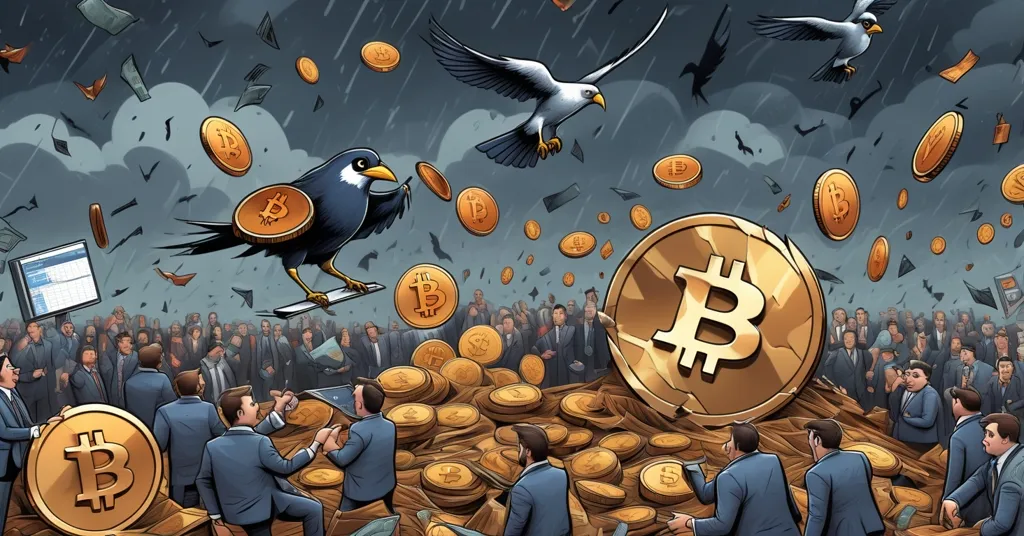
But the dream shattered fast. By the next day, HAWK’s value nosedived over 90% to around $40 million, and as of today, it limps along at just over $1 million. Such a steep drop often signals mass selling or outright manipulation, leaving everyday investors holding near-worthless tokens. Welsh’s lawyer estimates retail losses at approximately $200,000—a gut punch for those who bought in at the peak, lured by the shimmer of celebrity association. While exact details on the token’s creators remain murky, the collapse bears all the hallmarks of a rug pull, a predatory scheme where insiders hype a project, inflate its price, then dump their holdings, leaving others in the dust. Transaction data from similar past scams often shows large wallets unloading millions in tokens at the top, but specifics on HAWK are scarce, leaving us to piece together a familiar, ugly puzzle.
Hailey Welsh’s Personal Fallout: Trauma or Accountability?
In a raw interview with journalist Andrew Callaghan on the YouTube channel Channel 5, Hailey Welsh laid bare the personal toll of this fiasco. Death threats flooded in, forcing her into hiding for months as public outrage painted her as the face of a financial disaster.
“I’m sitting here, and I’m the one getting hit for this. It’s rough,”
she admitted, her frustration palpable. She went as far as to call the experience
“traumatized”
—a heavy word for an ordeal that turned a viral star into a pariah overnight. Being vilified on crypto Twitter, where digital mobs wield blockchain pitchforks, is no small burden for anyone, let alone someone thrust into the spotlight without a roadmap for navigating such a volatile space.
Legally, Welsh appears in the clear. An FBI investigation in 2025 found no evidence of her direct involvement in creating or orchestrating the HAWK token’s launch or collapse. A lawsuit filed by burned investors in December 2024 also targets the token’s shadowy creators—not Welsh—for allegedly selling unregistered securities. For clarity, unregistered securities are financial products peddled without regulatory approval, often leaving investors exposed with no legal recourse when things go south. While Welsh dodged legal bullets, her name being slapped on the project made her the de facto scapegoat for a scam she claims to have barely understood. For more on her perspective and the backlash, check out this detailed report on Hailey Welsh’s trauma and the community’s criticism.
Crypto Community’s Verdict: Silence Equals Complicity
Sympathy from the crypto world, however, is in short supply. Onchain analyst ZachXBT, a respected figure known for unmasking scams and shady dealings, has publicly ripped into Welsh for her role—or lack thereof. According to ZachXBT, Welsh was explicitly warned by community members about the risks and red flags surrounding HAWK’s launch but disregarded the advice. Worse, after the inevitable crash, she vanished from the conversation, leaving investors to sift through the wreckage of a $200,000 loss without so much as a statement. In the unforgiving court of crypto opinion, silence post-collapse is often interpreted as complicity, even if you’re not the one yanking the rug. While direct quotes from ZachXBT on this specific case are limited, the broader sentiment on platforms like X echoes a brutal consensus: influencers who dabble in crypto must own the fallout, clearance or not.
Over a year later, Welsh has resurfaced with a chastened perspective. Admitting she lacked any real grasp of the crypto industry at the time, she now advises others to
“stay out”
of the space entirely, underscoring the danger of attaching your name to something you don’t fully comprehend. It’s a bitter pill, swallowed after becoming the poster child for a textbook memecoin hustle. Whether she’s distanced herself from future crypto ventures or reached out to affected investors remains unclear, but her current stance suggests a hard exit from blockchain’s turbulent waters. Should she have done more to warn followers or address the fallout sooner? That’s a lingering question haunting her narrative.
HAWK Memecoin Crash 2024: Key Lessons for Crypto Investors
- What caused the HAWK memecoin crash in December 2024?
The token rocketed to a $490 million market cap within hours of launch, only to plummet over 90% to $40 million the next day, likely due to a rug pull by its creators. It now sits at just over $1 million. - Is Hailey Welsh to blame for the investor losses?
Legally, no—an FBI investigation in 2025 cleared her of wrongdoing, and a lawsuit targets the token’s creators for unregistered securities, not Welsh. But critics argue her silence post-crash fueled investor anger. - How much did retail investors lose in the HAWK debacle?
Losses are estimated at around $200,000, a significant hit for everyday investors who bought into the hype surrounding Welsh’s viral fame. - Why does the crypto community criticize Welsh despite her clearance?
Analysts like ZachXBT claim she ignored warnings before the launch and went silent after the collapse, failing to support or address the investors left in the lurch. - Should celebrity crypto endorsements be avoided after this mess?
Welsh’s ordeal and her “stay out” advice highlight the massive personal and financial risks of linking fame to volatile, often dubious projects like memecoins. - What can investors learn from memecoin scams like HAWK in 2024?
Hype doesn’t equal value. Look for transparency, utility, and developer accountability before investing, and beware of celebrity-backed tokens promising quick riches.
Memecoin Madness: A Symptom of Crypto’s Speculative Fever
Zooming out, Hailey Welsh’s nightmare isn’t just personal—it’s a blazing neon sign over the entire memecoin casino. These tokens, often sparked by a viral tweet or fleeting celebrity nod, epitomize the speculative fever gripping parts of the cryptocurrency market. Take Dogecoin, born as a joke in 2013, which hit a $90 billion market cap at its 2021 peak before shedding much of that value. Or the Squid Game token, a 2021 scam that soared 86,000% in days before its creators pulled the rug, draining $3.38 million from investors. Shiba Inu, another meme-driven coin, minted millionaires and broke hearts in equal measure during the same period. Memecoins are less about blockchain innovation and more about gambling on hype, and 2024 proved no less chaotic with HAWK’s implosion. Everyday investors often bear the brunt when the music stops, as Welsh’s story painfully illustrates.
This isn’t to say all altcoins are trash. Bitcoin maximalists—and I lean that way—might scoff at this circus and proclaim BTC as the only true decentralized money, built on unshakeable fundamentals like censorship resistance and scarcity. Fair enough. Bitcoin isn’t swayed by TikTok trends or influencer clout. But let’s not pretend the broader ecosystem doesn’t have room for experimentation. Platforms like Ethereum, with their smart contract capabilities, enable memecoin creation in the first place, fostering a messy but vital sandbox for testing blockchain’s limits. HAWK was pure noise—a destructive, predatory sham—but its existence reminds us that decentralization’s beauty lies in its freedom, even when that freedom births monsters. The trick is sifting innovation from outright grift, a skill too many learn only after a $200,000 lesson.
Regulatory Shadows and the Unregistered Securities Fight
The HAWK saga also casts a harsh light on regulatory gaps in the crypto frontier. The investor lawsuit alleging unregistered securities isn’t just a footnote—it ties into a broader 2024-2025 debate over how to govern this space. In the U.S., the Securities and Exchange Commission (SEC) has ramped up scrutiny of crypto offerings, cracking down on projects that skirt traditional financial rules. High-profile cases, like the SEC’s actions against Ripple Labs over XRP since 2020, signal a push to classify many tokens as securities requiring registration, investor protections, and transparency—none of which HAWK apparently had. Globally, jurisdictions like the EU with its MiCA framework are tightening the noose on unregulated crypto, aiming to curb scams but often clashing with the ethos of decentralization. For HAWK investors, legal recourse may be a long shot, but the case underscores a systemic issue: without clearer rules or better education, memecoin scams will keep claiming victims.
Preventing the Next HAWK: A Call for Vigilance
So, how do we avoid another HAWK-sized disaster? First, investor education is non-negotiable. Understanding red flags—lack of developer transparency, unrealistic price spikes, or hype without substance—can save wallets and sanity. A quick checklist for spotting trouble: anonymous teams, no whitepaper or roadmap, and promises of instant riches tied to a celebrity name. Sound familiar? Beyond that, the community must keep calling out shady projects with the ferocity of a thousand ZachXBTs. Platforms and exchanges also bear responsibility to vet listings more rigorously, though decentralization’s ethos often resists such gatekeeping. And yes, regulatory clarity could help, though overreach risks stifling innovation—a delicate balance we’re nowhere near striking.
The Road Ahead: Crypto’s Perception at Stake
As the HAWK memecoin crash fades into crypto’s long ledger of cautionary tales, Hailey Welsh’s trauma remains a stark human cost of this speculative game. So does the pain of investors who bet big and lost bigger. Her name will likely stay tethered to one of blockchain’s uglier chapters, and celebrity crypto endorsements take yet another trust hit. Bitcoin purists might shrug and say good riddance to the noise, but stories like these shape public perception—potentially slowing mainstream adoption or, conversely, forcing the industry to clean up its act. Will the next viral sensation think twice before slapping their brand on a token? Will investors finally prioritize substance over sizzle? In crypto’s saloon, the doors swing both ways—fortune one day, foreclosure the next. It’s up to us, the community of enthusiasts and skeptics alike, to build a space where freedom doesn’t mean chaos, and innovation outpaces exploitation. Here’s hoping HAWK’s wreckage lights the way, not just the warning.