Pakistan Ends 8-Year Crypto Banking Ban: A Game-Changer for 27 Million Users
 LTB
LTB Pakistan Scraps 8-Year Crypto Banking Ban: A Turning Point for 27 Million Users
Pakistan has made a seismic shift in its financial policy by lifting an 8-year ban on crypto banking as of April 14, 2026. The State Bank of Pakistan (SBP) has rolled out new guidelines under the Virtual Assets Act 2026, a move that could redefine money for 27 million crypto users and finally acknowledges a stubborn reality: Bitcoin, blockchain, and cryptocurrencies are entrenched in the nation’s economy, and it’s time to regulate rather than resist.
- Ban Reversed: SBP’s BPRD Circular Letter No. 10 ends the 2018 crypto banking restriction.
- Staggering Adoption: 27 million users and $25 billion in transactions (2025) rank Pakistan third globally.
- Stringent Rules: Licensed firms gain rupee accounts, but under tight controls—no interest, no cash deposits.
Historical Context: Why the Ban Crumbled
Back in 2018, the SBP slammed the door on cryptocurrencies, echoing global fears of money laundering, fraud, and speculative bubbles. Bitcoin was often branded as a tool for criminals, and regulators worldwide scrambled to contain what they saw as a digital Wild West. But in Pakistan, economic hardship painted a different picture. With the rupee losing a brutal 28% of its value in 2023—imagine your life savings shrinking by a quarter in just one year—and 100 million adults excluded from traditional banking, crypto morphed from a gamble into a necessity.
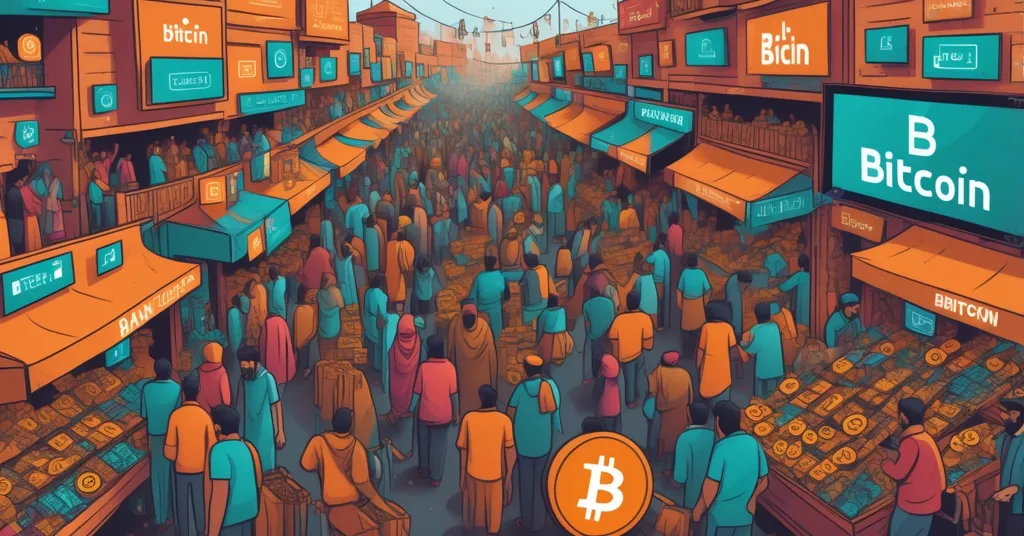
Peer-to-peer (P2P) trading, where users swap assets directly without middlemen, surged alongside offshore exchanges and informal networks. Chainalysis data reveals Pakistanis moved a jaw-dropping $25 billion in crypto transactions in 2025, securing the country’s spot as the third-largest adopter globally. The ban didn’t kill crypto; it merely shoved it underground into a thriving black-market bazaar that the SBP couldn’t ignore. Remittances, value storage, and everyday transactions fueled this shadow economy, proving that necessity trumps regulation every time. For more details on this regulatory shift, check out the recent update on Pakistan’s crypto banking rules.
New Crypto Rules: A Tightly Leashed Opportunity
Fast forward to 2026, and the SBP’s latest policy via BPRD Circular Letter No. 10 marks a pragmatic, if cautious, pivot. Backed by the Virtual Assets Act 2026 and overseen by the newly created Pakistan Virtual Asset Regulatory Authority (PVARA), licensed crypto firms can now open rupee-denominated bank accounts (accounts holding only Pakistani currency). But before you celebrate, note the iron-clad restrictions: no interest can be earned on these accounts, cash deposits are outright banned, and client funds must be segregated (kept separate from the firm’s own money to shield users if the firm collapses). Banks themselves are kept on a short leash—prohibited from trading or investing in crypto, reduced to passive facilitators.
This isn’t a free-for-all; it’s a heavily guarded sandbox. Details on PVARA’s licensing requirements are still scarce, but if they mirror frameworks from places like the UAE or Singapore, firms might need to demonstrate robust anti-money laundering (AML) measures and significant capital reserves. Non-compliance could bring steep penalties, though whether PVARA can enforce rules in a country with such a sprawling informal economy remains a massive question mark. Truth be told, this setup reeks of mistrust toward blockchain tech, prioritizing control over innovation.
Impact on 27 Million Users: Promise and Pitfalls
For Pakistan’s 27 million crypto users, many of whom have dodged scams and shady middlemen in P2P markets or offshore platforms, this shift could bring a veneer of safety. Consider a freelance designer in Karachi, paid in stablecoins like USDT for international gigs. Previously, they’d wrestle with exorbitant fees or unreliable brokers to convert crypto to rupees. Now, a local regulated firm with banking access might streamline that process, slashing risks—though let’s face it, scams won’t magically disappear.
For the 100 million unbanked adults—roughly half the population—this could be a lifeline to financial inclusion. Rural farmers or urban gig workers, often shut out of banking due to paperwork or distance, might leverage blockchain’s borderless, low-cost nature to store value or receive payments. Yet, the cash deposit ban is a gut punch. If a street vendor in Rawalpindi can’t deposit hard-earned rupees into a crypto-linked account, how accessible is this system? Many may stick to trusted informal networks, undermining the SBP’s grand vision. Accessibility for the masses hinges on bridging this glaring gap.
Bitcoin vs. Altcoins: Who Fits Pakistan’s Needs?
As Bitcoin maximalists, we can’t help but view these rules with a skeptical eye. Rupee-only accounts and the exclusion of banks from crypto trading don’t exactly align with Bitcoin’s core promise of decentralization and cutting out intermediaries. BTC’s strength as a censorship-resistant store of value might take a backseat in a setup so tightly controlled, potentially slowing its adoption for those seeking pure financial sovereignty.
That said, altcoins and stablecoins like USDT or USDC could steal the spotlight. In an economy where the rupee hemorrhages value, stablecoins pegged to the dollar offer a practical shield for remittances or daily transactions—something Bitcoin’s volatility struggles to match. Ethereum-based DeFi protocols might also sneak in, providing yield opportunities that rupee accounts explicitly block. While we root for Bitcoin’s long-term dominance, Pakistan’s immediate economic pain points may favor these alternatives for bridging everyday gaps.
Pakistan vs. India: A Regulatory Race in South Asia
Stepping back, Pakistan’s crypto regulation in 2026 gives it a surprising edge over regional titan India in terms of clarity, if not boldness. India tops the Chainalysis 2025 Global Crypto Adoption Index with a larger user base, but its approach is a punitive disaster—30% tax on gains and 1% per transaction, with no unified framework. Pakistan, by contrast, has PVARA as a dedicated overseer and explicit (albeit restrictive) guidelines. It’s not a crypto paradise, but it’s a grounded response to an economy in distress.
The regulation is catching up with a reality that already existed. Pakistan spent eight years trying to keep banks away from crypto while 27 million citizens used it anyway.
This sentiment captures the essence of the shift: ignoring crypto was never sustainable. Pakistan’s framework, while imperfect, at least attempts to harness a tidal wave rather than build a failing dam.
Future Outlook: Innovation or a Bureaucratic Stranglehold?
Let’s cut the fluff: the SBP’s heavy-handed rules—segregated funds, zero interest, no cash—scream suspicion of blockchain and its users. This isn’t an embrace of decentralization; it’s a wary handshake at best. Enforcement is another beast entirely. Can PVARA monitor a sprawling underground economy, or will these rules just weigh down legitimate firms while black markets laugh all the way to the bank? And don’t be fooled—scammers will keep thriving, ready to fleece newcomers lured by the sheen of regulated crypto. We’ve seen this play out from Nigeria to India; fraud doesn’t bow to policy.
Yet, there’s a spark of hope in Pakistan’s mess of economic woes. Currency devaluation, banking exclusion, and a $31 billion remittance market (per 2023 World Bank data) make this ground zero for blockchain disruption. If PVARA doesn’t drown innovation in a swamp of red tape, local startups could emerge—think crypto remittance apps slashing fees from 5-7% (via Western Union) to under 1%, or DeFi tools empowering the unbanked. A farmer in Punjab sidestepping predatory lenders with a stablecoin wallet isn’t a pipe dream; it’s a possibility if regulators ease up. But if this devolves into overreach or corruption, don’t pretend to be shocked.
Blockchain Startups: Seeds of a Crypto Ecosystem
Beyond individual users, these new rules could lay the foundation for a fledgling blockchain ecosystem. Licensed firms might team up with global players to build localized infrastructure—exchanges, wallets, or payment gateways tailored to Pakistan’s quirks. Remittances alone are a goldmine, and crypto’s potential to redirect billions from fee-heavy channels into users’ hands is undeniable. But hurdles loom large: the cash deposit ban alienates low-income users, and stringent licensing could scare off smaller innovators. Still, Pakistan’s economic cracks are wide enough for blockchain to seep through if the government doesn’t slam the lid shut.
Key Takeaways and Questions for Reflection
- Why did Pakistan lift its 8-year crypto banking ban?
The ban couldn’t stop 27 million users and $25 billion in transactions by 2025, forcing the SBP to regulate reality through the Virtual Assets Act 2026. - What restrictions define Pakistan’s new crypto banking rules?
Licensed firms can open rupee accounts, but no interest or cash deposits are permitted, and banks can’t trade or invest in crypto. - Can these rules drive financial inclusion for the unbanked?
For 100 million unbanked adults, regulated crypto offers potential access, but the cash deposit ban may keep many reliant on informal systems. - How does Pakistan’s crypto policy stack up against India’s?
Pakistan has clearer rules and a dedicated regulator (PVARA), while India’s heavy taxes and lack of structure hinder progress. - Will regulation curb crypto scams in Pakistan?
Not entirely—legitimacy helps, but scammers will exploit gaps in a largely informal economy, targeting the unwary. - Is Bitcoin well-suited to thrive under these conditions?
Bitcoin’s decentralized ethos clashes with tight controls and rupee-only accounts, possibly favoring stablecoins or altcoins for practical needs. - What’s the outlook for blockchain startups in Pakistan?
New rules could spark innovation in remittances and DeFi, but overregulation and cash limits might throttle smaller players.
So, where does Pakistan stand in this high-stakes crypto game? The SBP has pried open a narrow window, but it’s nowhere near a full-throated endorsement of decentralization or financial freedom. For Bitcoin purists, this feels like a tepid half-step—rupee accounts and bank exclusion don’t mesh with Satoshi’s vision of unshackled money. Yet, for the wider blockchain space, it’s a grudging admission of inevitability, especially in a market where altcoins and stablecoins often plug holes Bitcoin doesn’t. With 27 million users and counting, Pakistan’s crypto story is just revving up. Will this regulatory bet ignite true financial autonomy, or just stack another layer of oversight? If the past eight years are any clue, its people will chase freedom on their own damn terms, rules be damned.