US Redirects 49 Vessels as Iran Sanctions Enforcement Escalates
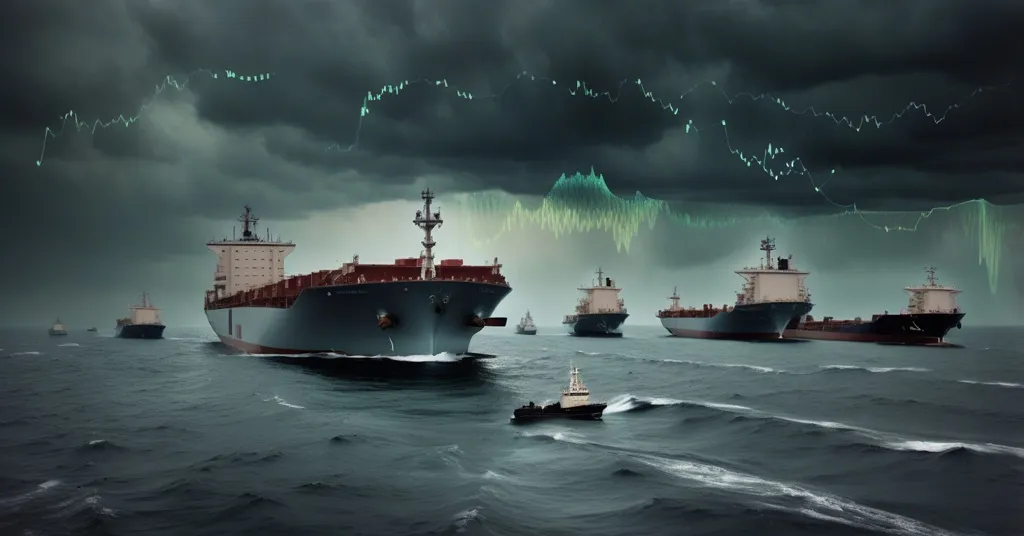
 LTB
LTB The United States is reportedly redirecting 49 vessels as part of a renewed push to enforce sanctions on Iran, even as talks remain stalled and neither side looks eager to blink first.
- 49 vessels redirected
- US sanctions on Iran intensify
- Maritime sanctions enforcement ramps up
- Shipping disruptions and higher insurance risk
- Stalled negotiations raise escalation fears
That may sound like dry geopolitical housekeeping, but it isn’t. Redirecting vessels is a very real form of maritime pressure. It means ships can be rerouted, delayed, inspected, or blocked from moving as planned when they are suspected of linking into Iranian trade, oil shipping routes, or sanctions evasion networks. In plain English: Washington is using logistics as leverage.
This is what an Iran blockade looks like in practice when it is enforced through sanctions and shipping controls rather than a dramatic naval headline. The goal is to make commerce harder, costlier, and riskier for Tehran and anyone doing business with it. When the US tightens the screws on maritime sanctions enforcement, the effects do not stay confined to the Persian Gulf. They can spread into shipping schedules, port operations, insurance pricing, freight rates, and energy markets far beyond the region.
The timing matters. With talks stalled, pressure tends to replace diplomacy. Washington appears to be sending a blunt message: if negotiations are not moving, enforcement will. That may sound like the kind of hard-nosed strategy that wins applause from hawks who think economic punishment is the only language Tehran understands. Maybe. But sanctions also have a nasty habit of creating second-order damage, and it is usually the messy real world that pays for the neat policy theory.
Iran has long relied on maritime routes to move goods, export oil, and work around sanctions. When those routes are squeezed, ships become chess pieces. Tankers, cargo vessels, shipping intermediaries, insurers, and port operators all end up staring at the same ugly question: is this voyage worth the risk? Sometimes the answer is no, and that alone can slow trade without a single shot being fired.
The number 49 matters because it signals scale. This is not a one-off warning shot. Redirecting dozens of vessels suggests a coordinated enforcement effort, not a symbolic gesture. Even if some of those vessels are only being inspected or rerouted rather than outright seized, the operational impact is still serious. Ships waiting on clearance burn time and money. Cargo gets delayed. Contracts get rewritten. Insurance premiums rise because nobody wants to be the next expensive “lesson” in sanctions compliance.
For shipping firms, this is the kind of geopolitical friction that turns a routine delivery into a bureaucratic nightmare. For insurers, it means higher perceived risk. For traders, it can mean missed windows and disrupted supply chains. And for consumers, especially when oil shipping routes are involved, it can mean another push upward on energy prices if tensions ripple into broader market fears.
There is also a darker strategic angle here. Maritime sanctions enforcement is often framed as precision policy, but it rarely stays neatly contained. A stronger blockade posture can easily provoke retaliation, either through asymmetric pressure, regional proxies, cyber activity, or simple stubbornness from Tehran. If the US is trying to force a concession, there is always the chance it gets the opposite: a more entrenched adversary and a hotter regional standoff.
That said, the alternative is not exactly a peace pipe and a group hug. Sanctions exist because Washington believes financial pressure can constrain hostile behavior without open war. On paper, that sounds cleaner than military escalation. In practice, it is still coercion, just with more paperwork and fewer explosions. Sometimes it works. Sometimes it drags on for years while everyone pretends the economic pain will eventually become politically useful.
There’s a reason Iran sanctions and shipping disruptions keep showing up in the same sentence: the maritime domain is where enforcement gets real. You can announce sanctions all day long, but unless there is a mechanism to monitor, reroute, inspect, or deny passage, the policy is just noise. Redirecting 49 vessels shows the US is trying to turn policy into action.
Whether that forces Iran back to the table or simply deepens the standoff is the part nobody can honestly promise. Pressure can create leverage, but it can also harden positions and invite countermeasures. Geopolitics has a lovely way of making everyone think they’re the adult in the room right up until the supply chain starts screaming.
What does redirecting 49 vessels mean?
It means ships are being rerouted or delayed as part of US maritime sanctions enforcement. The aim is to make it harder for Iran-linked trade, especially oil shipping and other sanctioned flows, to move normally.
Why does this matter for global trade?
Because shipping disruptions do not stay local. Delays, rerouting, and higher insurance costs can affect freight prices, delivery timelines, and energy markets well beyond the Middle East.
What is the Iran blockade in practical terms?
In practical terms, it is not always a literal wall of ships. It is often a mix of sanctions, inspections, rerouting, financial restrictions, and enforcement actions designed to choke off trade and limit Iran’s ability to move goods and oil.
Why are stalled talks important here?
When negotiations stall, governments often lean harder on pressure tactics. In this case, the US appears to be signaling that if diplomacy is frozen, sanctions enforcement will do the talking.
Could this backfire?
Yes. Stronger pressure can force compliance, but it can also trigger retaliation, raise regional tensions, and hit legitimate shipping and commercial actors who end up caught in the crossfire.
Who pays the price?
Iran is the target, but the pain can spread to shipping companies, insurers, traders, port operators, and even consumers if the disruption reaches energy and logistics markets.
The bottom line is simple: redirecting 49 vessels is not subtle diplomacy. It is a clear sign that US sanctions on Iran are being enforced through direct maritime pressure while talks sit idle. That may be smart leverage, or it may be another round of expensive geopolitical muscle-flexing. Sometimes those two things are the same thing with better branding.