Coinbase and Better Launch First Fannie Mae-Insured Bitcoin-Backed Mortgage
 LTB
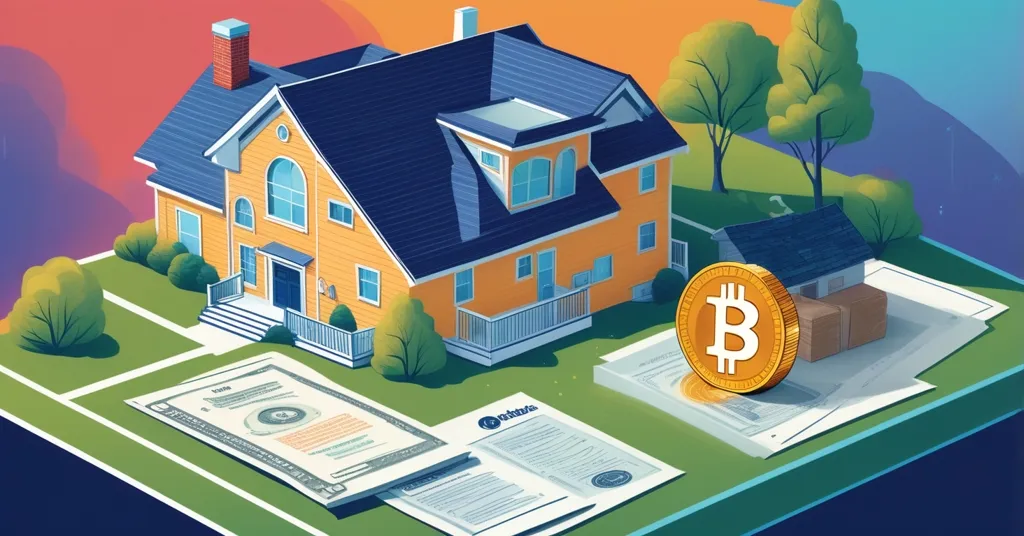
LTB Coinbase and Better Mortgage have pushed Bitcoin into a new lane: a U.S. mortgage insured by Fannie Mae and backed by crypto collateral. For borrowers who hold wealth in BTC or stablecoins, that means one less forced sale and one more sign that digital assets are being folded into mainstream finance.
- First Fannie Mae-insured Bitcoin-backed mortgage
- Borrowers can pledge BTC or USDC without selling
- Coinbase provides the custody infrastructure
- Better Mortgage expects up to $250 million in loan volume
- Big step for utility, with volatility and custody risks still lurking
Coinbase and Better Mortgage say they have completed the first U.S. mortgage insured by Fannie Mae and backed by Bitcoin collateral. The loan went to Joe and Amy, a couple from Ann Arbor, Michigan, and the setup lets approved borrowers pledge Bitcoin or USDC in a custodial account instead of selling their holdings to qualify for a home loan.
That matters because it recognizes a simple reality: a growing number of Americans hold meaningful wealth in digital assets, not just in checking accounts and dusty brokerage balances. If someone has substantial BTC exposure, forcing them to liquidate just to close on a house can be a blunt and expensive move. This model gives them another path — one that keeps the asset intact while using it to secure the loan.
Roy Zhang, Coinbase director of product, described the process as streamlined:
“They click through on our product interface. They go through the application process on Better. Better approves them. They sign in to their Coinbase account, and with a single click, their bitcoin moves into a custodial wallet. And then they’re done.”
That “single click” sounds almost too clean, but the structure behind it is where the real significance lives. Better handles the mortgage side. Coinbase handles the crypto infrastructure and custody. In plain English, a custodial wallet is a wallet controlled by a company rather than directly by the borrower. That makes the process easier for lenders, but it also means borrowers are trusting a third party with the keys to the kingdom. Convenience is great until someone asks who actually controls the assets.
The Fannie Mae piece is just as important as the Bitcoin piece, maybe more so. A conforming loan is a mortgage that meets the standards set by Fannie Mae or Freddie Mac, the government-sponsored enterprises that help shape much of the U.S. housing market. If a loan fits those standards, it is more likely to be treated as normal, mainstream mortgage business rather than a weird side experiment cooked up on a napkin after too many energy drinks.
Fannie Mae began accepting crypto assets when evaluating mortgage down payments in March, and this loan is said to meet Fannie Mae-conforming underwriting requirements. That gives the product real weight. It is not just “crypto, but with paperwork.” It is digital assets being recognized inside the same lending rails that support enormous swaths of the housing market.
Vishal Garg, founder and CEO of Better, said the move follows changing household behavior and investment patterns:
“Crypto-backed conventional mortgages are a natural extension of changing household investment habits.”
“More Americans are holding wealth in digital assets rather than traditional bank accounts, creating demand for financing products that recognize those holdings.”
That is a fair point. Whether traditional finance likes it or not, plenty of people now store a chunk of their net worth in Bitcoin, stablecoins, or other digital assets. Mortgage underwriting has to deal with where the wealth actually is, not where some banker thinks it should be. If lenders ignore that shift, they are not protecting the system — they are just pretending the balance sheet stopped evolving in 2009.
How the Bitcoin-backed mortgage works
The basic structure is straightforward. After mortgage approval, the borrower signs into Coinbase and moves Bitcoin or USDC into a custodial wallet. The crypto is then held as collateral while the mortgage process moves forward. Instead of selling BTC to generate cash for a down payment or reserves, the borrower keeps exposure to the asset.
USDC is a stablecoin, meaning it is designed to track the U.S. dollar. That makes it far less volatile than Bitcoin, which is one reason it fits into lending products more comfortably. Bitcoin offers upside and hard-money appeal; USDC offers stability and easier accounting. Together, they create a cleaner collateral mix than pure BTC alone.
Better says its waitlist could translate into about $250 million in loan volume, with a nationwide rollout planned later this summer. That is still small compared with the total U.S. mortgage market, but it is not trivial. If the pipeline is real, there is enough demand here to matter. Crypto holders do not want to sell everything just to buy a house. Shocking, absolutely shocking.
Still, the appeal only goes so far. A mortgage is long-term debt, and crypto markets are famously not known for their calm, measured behavior. Bitcoin can rip higher, but it can also drop hard and fast. That creates the obvious question: what happens if the collateral falls in value? The answer depends on the loan terms, but the risk is obvious — if the collateral gets thin, the lender may require more assets or take other protective action. That is the dark little goblin sitting behind the shiny headline.
Why Fannie Mae’s role matters
Fannie Mae is a government-sponsored enterprise, or GSE, that helps support conventional mortgage lending in the United States. When a loan falls within Fannie Mae standards, it is easier for lenders to originate, package, and sell that mortgage within the existing system. That is why this matters far beyond one couple in Michigan.
Acceptance by a GSE represents more than a symbolic nod. It suggests digital assets are being treated as eligible collateral alongside more traditional forms of wealth. That is a big shift in tone. For years, crypto was treated like an unruly outsider — useful for speculation, maybe useful for payments, but not quite serious enough for mainstream finance. Now it is showing up at the mortgage table.
That does not mean the system suddenly loves decentralization. Let’s not get carried away. This is still a heavily mediated financial product with custodians, underwriters, and institutional guardrails. But it does show that Bitcoin is increasingly being used as productive collateral, not just a trading instrument or a cold-storage trophy.
The catch: custody, volatility, and financialization
Every new crypto use case comes with a sales pitch, and every sales pitch comes with fine print. This one is no different.
First: custody risk. If Coinbase is holding the assets, borrowers are relying on a centralized platform to safeguard collateral. That is practical, but it is not self-sovereign. Anyone yelling about “banking the unbanked” should also be honest about the tradeoff: convenience often means giving someone else control.
Second: volatility risk. Bitcoin is still volatile. That is not a bug in the system; it is the price of admission. If the collateral drops sharply, the borrower could face margin pressure or other loan complications. This is where the dream of crypto wealth collides with the reality of debt. Debt does not care how bullish your timeline is.
Third: financialization risk. Some will see this as innovation. Others will see Wall Street slapping a fresh coat of paint on the same old debt machine. Both views have merit. Crypto can empower people to borrow against appreciating assets without forced selling, but it can also create new layers of leverage. And leverage, as ever, is where many “brilliant” financial products go to die.
That tension is part of the story. The Bitcoin ethos says you should not sell your hard money if you can borrow against it. The skeptical view says turning volatile assets into mortgage collateral may just create a cleaner way to take on risk you do not fully appreciate. Both can be true at once.
Coinbase is clearly building beyond trading
This mortgage move is also a signal about Coinbase itself. The company is pushing beyond exchange trading and custody into broader financial infrastructure. Recently, Coinbase also launched USDC-settled perpetual futures tied to private companies, beginning with SpaceX-linked contracts that offer up to 5x leverage. The company has also said it plans to expand pre-IPO perpetual futures into sectors including AI, energy, technology, and space.
For readers new to the term, perpetual futures are derivative contracts that let traders speculate on an asset’s price without an expiration date. They are popular in crypto because they allow leverage and aggressive positioning — which is another way of saying they can blow up spectacularly if used carelessly. “USDC-settled” means gains and losses are paid in the dollar-pegged stablecoin USDC rather than in the underlying asset.
Put simply, Coinbase does not just want to be where you buy Bitcoin. It wants to be part of the plumbing for the next financial system. Mortgages, derivatives, tokenized markets — the company is clearly aiming at the rails, not just the casino floor.
That is not necessarily a bad thing. Infrastructure is where lasting power lives. But it also means Coinbase is playing a different game now, one that moves further away from pure crypto idealism and closer to mainstream financial engineering. Useful? Yes. Decentralized? Not really. That is the tradeoff.
What this means for Bitcoin holders
For Bitcoin holders, this is one of the more practical developments we have seen in a while. It gives people a way to access housing finance without dumping their stack. That matters because selling BTC can trigger taxes, remove future upside, and force people to choose between a long-term asset and a short-term need.
For lenders, it opens a new class of borrowers whose wealth lives on-chain or in digital custodial accounts. For the housing market, it hints at a future where balance sheets look less like old-school bank statements and more like a mix of fiat, stablecoins, and tokenized assets.
Better’s CEO even suggested tokenized mortgages could eventually expand to include tokenized stocks and other digital assets. That is ambitious, and maybe a little too eager for some tastes, but it reflects the direction finance is heading: more assets, more wrappers, more digitization, more friction removed.
Whether that ends up looking like liberation technology or just more polished debt will depend on how responsibly these products are built and used. If the rules are clear, the custody is sound, and the collateral mechanics are transparent, crypto-backed mortgages could become a legitimate tool. If not, they become another shiny structure for people to lever up and pray.
Key takeaways and questions
What happened?
Coinbase and Better Mortgage completed the first U.S. mortgage insured by Fannie Mae and backed by Bitcoin collateral, according to the companies.
How does it work?
Borrowers can pledge Bitcoin or USDC in a Coinbase custodial wallet instead of selling their crypto to qualify for a mortgage.
Why does Fannie Mae matter?
Fannie Mae’s involvement means the mortgage fits within conventional underwriting standards, which makes it far more mainstream than a niche crypto lending product.
Who benefits most?
Crypto holders who want to buy a home without liquidating their digital assets get the most obvious benefit.
What is the biggest risk?
Bitcoin volatility and custodial risk. A sharp price drop or a failure in the custody setup could create serious problems.
Is this real adoption or just more financial engineering?
It is both. It is genuine adoption because Bitcoin is being used in a real lending product. It is financial engineering because the product still depends on centralized custody, underwriting rules, and familiar debt structures.
Could this expand beyond Bitcoin?
Yes. Better’s leadership has suggested tokenized mortgages could eventually include tokenized stocks and other digital assets.
This is a notable step for Bitcoin and crypto in general. Not because it proves some grand utopian thesis, but because it shows digital assets are increasingly being treated as usable collateral in the real economy. That is a much more interesting milestone than another round of price chart fan-fiction. Bitcoin is still volatile, custody still matters, and leverage still bites. But if a borrower can keep their BTC and still finance a home, that is a serious use case — and one the old financial system can no longer pretend does not exist.