Coinbase and Better Launch Bitcoin-Backed Mortgage with Fannie Mae Support
 LTB
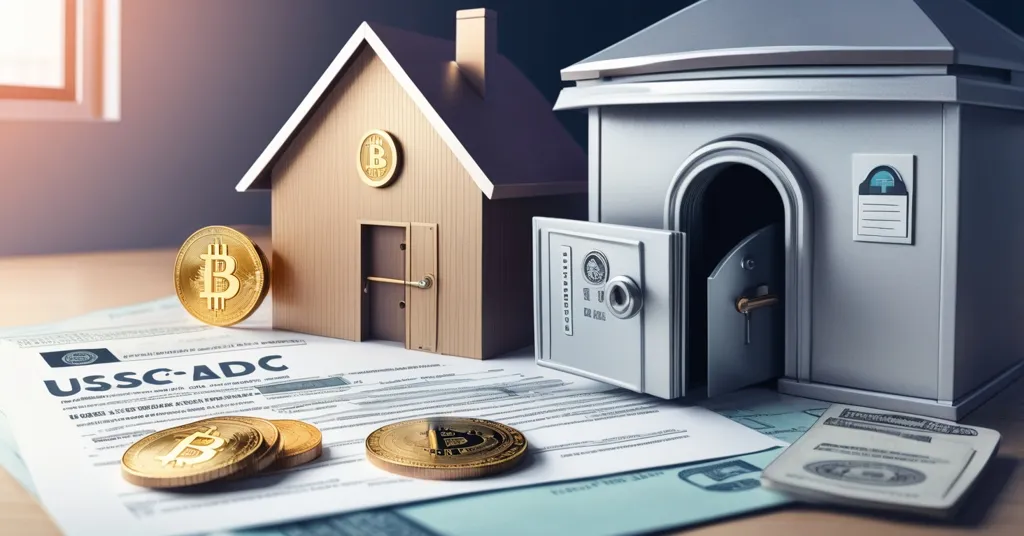
LTB Better Mortgage and Coinbase have launched a Bitcoin-backed mortgage product that lets borrowers use BTC and USDC as collateral instead of selling their crypto to raise cash for a home purchase.
- BTC and USDC collateral for a home loan
- Fannie Mae backing gives it a conventional structure
- First loan funded in Ann Arbor, Michigan
- Nationwide rollout expected in summer 2026
- Projected demand already points to about $250 million in volume
The first loan under the new setup was funded for Joe and Amy, a couple in Ann Arbor, Michigan. Coinbase wasted no time calling it a milestone, saying: “The first ever Fannie Mae-insured mortgage backed by BTC in the U.S just got funded.”
That’s a far cry from the usual crypto-lending circus. The key difference here is Fannie Mae, the U.S. government-sponsored enterprise that helps support conventional mortgages by providing a conforming guarantee. In plain English: this is not just some off-brand crypto loan with a slick interface and a prayer. It’s being plugged into the mainstream housing finance system, which makes it a lot more serious than the usual “trust us, bro” product people have learned to side-eye in this industry.
Better says the product already has enough signups to imply roughly $250 million in projected loan volume. A nationwide rollout is expected in summer 2026, and the company says the structure could later expand beyond Bitcoin and USDC to other digital assets, including tokenized stocks. That’s an ambitious roadmap, and also the kind of thing that can either become a real bridge between crypto and finance or get buried under underwriting, custody, and regulatory headaches.
For borrowers, the pitch is simple enough. Instead of liquidating Bitcoin to make a down payment or cover closing costs, they can pledge their BTC or USDC as collateral. Collateral is just backup value the lender can rely on if the borrower defaults. USDC, for those new to the jargon, is a dollar-pegged stablecoin meant to track the U.S. dollar. It is not volatile like Bitcoin, which is exactly why it makes sense in a lending structure.
Applications run through Coinbase’s product interface, and once approved, BTC collateral is moved into a custodial wallet with a single click. Coinbase is handling the crypto infrastructure behind the scenes, while Better originates and services the mortgage. Roy Zhang, Coinbase’s director of product, described it as:
“Originated and serviced by Better, powered by Coinbase.”
That arrangement matters because it shows how the two worlds are being stitched together: a traditional mortgage lender on one side, and a crypto platform on the other. The borrower gets a familiar home-loan process with digital asset custody layered underneath. Or, depending on your level of cynicism, a conventional mortgage wrapped in crypto plumbing so the suits can say they “innovated.”
Joe, one of the first borrowers, said the setup worked because his Bitcoin stayed in custody rather than being sold off to fund the down payment. The appeal is obvious. If you believe BTC has long-term upside, selling it to buy a house can feel like trading a potential rocket ship for a beige filing cabinet. Borrowing against it instead lets you keep exposure while unlocking liquidity.
“The setup gave him confidence because their Bitcoin remained secure in a custody account rather than being sold off to cover a down payment.”
That’s the real sell here: home financing without forcing a taxable sale of Bitcoin. For many holders, that is a huge deal. Selling BTC can trigger capital gains taxes, and if the asset keeps running afterward, the seller gets to experience the special joy of watching the market moon from the sidelines. A crypto-backed mortgage can help avoid that outcome, at least in theory.
Vishal Garg, founder and CEO of Better, framed the product as a meaningful step in the normalization of digital assets inside regulated finance:
“It amounts to a US government-sponsored enterprise accepting digital assets in place of cash held in a bank account as collateral.”
That’s the line worth paying attention to. Once Fannie Mae is involved, this stops looking like a niche crypto lending experiment and starts looking like a small but real crack in the wall between Bitcoin ownership and the traditional mortgage system. It suggests that digital assets are no longer being treated as purely speculative toys or casino chips. They are being considered as usable collateral in one of the most regulated corners of finance.
Still, the shiny headline should not blind anyone to the risk profile. Under the current structure, the collateral is not subject to liquidation, and the pledged BTC and USDC remain in custody for the life of the loan. That sounds clean, but readers should not mistake “no liquidation” for “no risk.” The borrower still has to trust custody arrangements, servicer operations, legal protections, and the broader mortgage framework. If the crypto market goes feral, the system may not force an immediate liquidation, but the risk does not just vanish into the void.
That’s where this gets interesting. Most crypto-backed loans have historically lived in a rougher part of the market, where margin calls and forced liquidations are part of the package. Here, the presence of a conforming guarantee suggests something closer to a standard mortgage structure, which could make the product more acceptable to mainstream borrowers. It also means the traditional financial system is starting to admit what Bitcoiners have been saying for years: digital assets can serve as productive collateral, not just tradeable hype.
But let’s not pretend this is some magic answer to the housing affordability mess. A Bitcoin-backed mortgage does not make homes cheaper, and it certainly does not fix the broader supply crisis in U.S. housing. What it does offer is a new liquidity path for people who are asset-rich in crypto but do not want to sell. That matters, especially for Bitcoin holders who have built wealth on paper but still need a mortgage to buy a house in the real world.
There’s also a broader policy angle here. If a U.S. government-sponsored enterprise can accept digital assets in place of bank-held cash as collateral, that’s not nothing. It suggests the walls are thinning between regulated mortgage finance and on-chain capital. Whether that turns into real adoption or gets buried under compliance sludge depends on execution, lender appetite, and whether the arrangement survives a nasty market drawdown without turning into a bureaucratic disaster.
Future expansion could be even more controversial. Better says the model may eventually include other digital assets, including tokenized stocks. That sounds sophisticated, but it also raises the usual question: just because something can be tokenized does that mean it should be used in a mortgage product? Bitcoin has a clear monetary thesis and a liquid global market. Tokenized assets may have a place, but not every shiny token deserves to be collateral in a household balance sheet.
For now, the first funded loan in Ann Arbor is a real milestone. It doesn’t mean the floodgates have opened, and it definitely doesn’t mean every homebuyer should rush to pledge their stack. It does mean Bitcoin is inching further into the machinery of mainstream finance in a way that is practical, not just ideological. That is the kind of adoption that matters: not a meme, not a gimmick, not a fake yield ponzi wearing a blazer, but a usable financial tool.
Key questions and takeaways
What is a Bitcoin-backed mortgage?
A mortgage that lets borrowers use Bitcoin as collateral instead of selling their BTC to raise cash for the home loan.
What makes this mortgage different from other crypto loans?
Fannie Mae’s involvement gives it a conventional, government-backed structure rather than the usual wild-west crypto lending setup.
Why is USDC included?
USDC is a dollar-pegged stablecoin, so it can function as a less volatile form of collateral alongside Bitcoin.
Does the borrower have to sell Bitcoin?
No. The borrower can keep BTC in custody rather than selling it to make a down payment.
Can the collateral be liquidated?
Under the current structure, the collateral is not subject to liquidation.
Who is handling the crypto side of the process?
Coinbase is providing the crypto infrastructure, including the custody workflow for the pledged assets.
Where was the first loan funded?
The first funded loan went to a couple in Ann Arbor, Michigan.
What does Better expect next?
A nationwide rollout in summer 2026, with possible expansion to more digital assets, including tokenized stocks.
Is this a big step for Bitcoin adoption?
Yes, but with caveats. It shows Bitcoin can be used as collateral in mainstream finance, though custody, risk management, and market stress still need to be handled properly.