Gram Rebrands Toncoin as Telegram Pushes TON Payments and Mini-Apps
 LTB
LTB What is Gram? The complete guide to the Toncoin rebrand
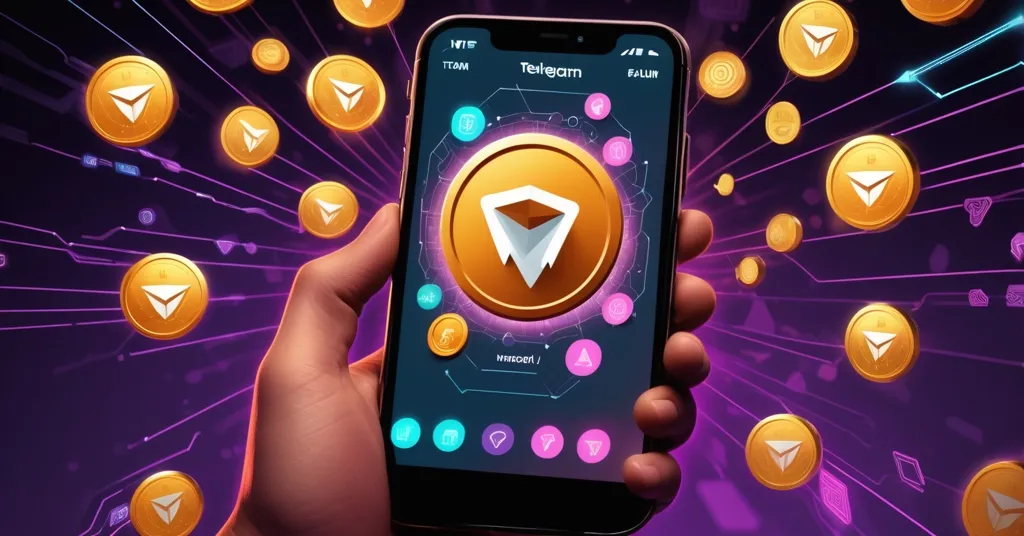
Toncoin has officially become Gram, reviving Telegram’s original token name without changing the underlying asset, wallets, or blockchain. The rename is mostly cosmetic, but it comes with bigger ambitions: tighter Telegram integration, faster payments, and a fresh push to turn TON into something regular users might actually touch.
- Toncoin became Gram on June 15, 2026
- The community vote passed with 81.22% support
- Only the name, ticker, and logo changed
- No swap, migration, bridge, or claim is required
- Fake “migrate to Gram” messages are scams
TON holders did not wake up to a new coin. They woke up to a new label. The token name changed from Toncoin to Gram, the ticker moved from TON to GRAM, and the logo was updated. The blockchain itself remains The Open Network (TON). Balances stayed 1:1, so 10 Toncoin became 10 Gram automatically. Staking positions, wallets, deposit addresses, and smart contracts were left untouched.
That distinction matters because crypto rebrands often trigger confusion, and confusion is scammer fertilizer. If you held Toncoin before, you still hold the same asset now. You do not need to swap anything, bridge anything, or “confirm” anything through a mystery link sent by some helpful-looking account with a stolen profile picture and zero shame.
Major exchanges including KuCoin and MEXC converted balances automatically. If a message says you must migrate manually, claim new tokens, or connect your wallet to avoid losing funds, it is not support. It is theft wearing a costume.
Why bring back the Gram name?
The Gram name is not new. It was the original name tied to Telegram’s 2018 token project, which was later shut down after a major SEC enforcement action. Telegram had raised around $1.7 billion before regulators stepped in, saying the offering involved unregistered securities. In 2020, Telegram returned more than $1.2 billion to investors and paid an $18.5 million penalty. That was a brutal reset for the project and a reminder that the SEC has no problem kicking crypto dreams in the teeth when it feels like it.
Bringing the name back is therefore more than nostalgia. It signals that Telegram and the TON community think the legal and market weather has shifted enough to reclaim the original branding. It also fits Pavel Durov’s broader push to tighten Telegram’s relationship with the network and position Gram as a consumer payment token for Telegram’s roughly 1 billion users.
Durov’s roadmap is being framed as “Make TON Great Again”, or MTONGA. The slogan is a little on-the-nose, but the intent is clear: make TON feel less like a niche blockchain and more like a payment layer built directly into Telegram’s ecosystem.
The important part is not the slogan. It is the distribution. Telegram already has the audience. If TON can turn a fraction of that audience into active users of payments, mini-apps, staking, and on-chain services, that is where the real value could come from.
What changed in the Toncoin rebrand?
The short answer: not much, and that is the point.
The rebrand changed only three visible things:
- the token name: Toncoin → Gram
- the ticker: TON → GRAM
- the logo
Everything else stayed the same. The chain is still TON. The token still powers activity on that chain. The balances are identical. If you understood Toncoin, you already understand Gram, because they are the same asset wearing a new name.
“Toncoin officially became Gram on June 15 after a community vote approved the return of the token’s original name with 81.22% support.”
“The rebrand changed only the token’s name, ticker, and logo, while balances, wallets, staking positions, and network operations remained unchanged.”
“No action is required from you, and any message telling you otherwise is a scam.”
That clean split between branding and infrastructure is useful. It prevents unnecessary panic, keeps exchanges and wallets aligned, and avoids the kind of messy token swap nonsense that often turns into a customer support bloodbath. Crypto already has enough self-inflicted chaos without people being tricked into handing over access because they saw the word “migration” in a DM.
What is TON, and what does Gram actually do?
The Open Network (TON) is a proof-of-stake blockchain, meaning it relies on validators who lock up, or stake, tokens to help process transactions and secure the network. Validators earn rewards for doing their job properly and can be penalized for misbehaving.
Gram is the native token on that network. It is used for fees, staking, and broader on-chain activity. In plain English: Gram is the fuel, TON is the road, and validators are the people keeping traffic moving without letting the whole thing fall into a ditch.
TON’s ecosystem includes smart contracts, NFTs, Jettons, DeFi, and Telegram mini-apps. Smart contracts are self-executing programs that run on the blockchain. Telegram mini-apps are lightweight apps that can live inside Telegram itself, making the platform feel more like a payments and services layer than just a messenger.
That is the real bet. Not “number go up” magic. Utility. If Telegram can make crypto feel invisible enough that normal users don’t have to think too hard about wallets, chains, and gas fees, that is a meaningful product advantage.
Why the technical upgrade matters
The rebrand is not happening in a vacuum. It sits alongside a major network upgrade called Catchain 2.0, which reportedly made TON about 10x faster. Transaction finality was cut to under 1 second, and fees dropped to around $0.0005 per transaction.
Finality means the network considers a transaction settled and highly unlikely to be reversed. For users, faster finality means payments feel instant instead of vaguely “crypto instant,” which is often just another way of saying “please wait while the chain warms up.”
Cheap, fast transactions matter if a blockchain wants to be used for consumer payments. Nobody wants to send a $2 tip and pay a fee that makes the whole thing look like a clown show. Lower fees also help with Telegram mini-apps and small-value transactions, where friction kills adoption fast.
Still, there is no free lunch. The speed improvements come with an expected rise in annual inflation from roughly 0.6% to 3.6%. That means more new tokens are being introduced over time to support network incentives and validator rewards.
Here is the trade-off in plain terms: faster and cheaper transactions can help adoption, but higher inflation can dilute holders if demand and usage do not grow enough to absorb the increase. That is the part the hype machine likes to tuck under the rug while shouting about 10x speed like it fell out of the sky.
Is the Gram rebrand bullish?
Maybe, but not because of the name alone.
The cleanest line is this: “The rename itself does not make Gram more valuable.” A ticker change does not magically create demand. A logo refresh does not produce users. What can create value is whether Telegram actually converts its massive audience into active users of TON-based payments, apps, and services.
That is the real conversion thesis. Telegram has a huge built-in distribution channel, and TON has the technical setup to support low-cost consumer use. If those two pieces click, Gram could become one of the few crypto assets with a serious path to everyday utility.
The bull case looks like this:
- Telegram has around 1 billion users
- TON has fast finality and very low fees
- Telegram mini-apps could make crypto easier to use
- Self-custody, staking, and payments can be integrated more naturally
- The original Gram brand may be easier for users to remember
The bear case is less glamorous but probably more realistic in parts:
- rebrands do not guarantee adoption
- Telegram users may never care about on-chain payments
- inflation can blunt upside if activity does not grow
- TON still competes with other payment and app ecosystems
- crypto history is full of “mass adoption” promises that fizzled out
That tension is exactly why this matters. Gram is not just a branding exercise, but it is also not some miraculous reset that rewrites fundamentals overnight. It is a strategic move with real intent behind it, and it will either be validated by usage or exposed as a slicker wrapper on the same old ambitions.
What should holders watch next?
The next phase is not about the rename. It is about execution.
Watch whether Telegram keeps embedding TON more deeply into its products. Watch whether mini-apps and payments see real traction. Watch whether exchanges, wallets, and Telegram-based tools stay frictionless. And watch whether the network can grow without repeating crypto’s favorite hobby: pumping on narrative and then face-planting when actual usage fails to show up.
There is also the regulatory backdrop to keep in mind. The Gram name carries history, and history has a way of resurfacing when assets get big enough to notice. The old SEC case may be in the rearview mirror, but it is not forgotten, and any serious crypto platform that wants mainstream reach eventually has to deal with the law, not just the marketing team.
The good news is that TON is not pretending to be a blank-slate experiment. It has a user base, a product surface through Telegram, and a technical setup that can plausibly support consumer activity. That is more than a lot of tokens can say. The bad news is that a lot of crypto projects have had “more than a lot of tokens can say” and still ended up as expensive lesson material.
Key questions and takeaways
-
What is Gram?
Gram is the new name for Toncoin, the native token of The Open Network. -
Did holders need to migrate anything?
No. No swap, bridge, or claim was required. Balances stayed 1:1. -
What changed in the rebrand?
Only the token name, ticker, and logo changed. The blockchain and user holdings did not. -
Why revive the Gram name?
It reconnects the token with Telegram’s original 2018 vision and supports Durov’s push for tighter TON integration. -
What is Catchain 2.0?
It is a network upgrade that reportedly made TON about 10x faster, with finality under 1 second and much lower fees. -
Does the rename make Gram more valuable?
Not by itself. Value still depends on adoption, utility, and user growth. -
Are “migration” messages real?
No. Any unsolicited message telling you to migrate to Gram is a scam. -
What is the main thing to watch now?
Whether Telegram can turn its huge audience into actual users of TON-based payments and apps.
Gram is a meaningful rebrand because it reconnects TON with its original identity and pushes harder into Telegram-native payments. But branding is just the wrapper. The real test is whether Telegram can convert attention into usage without getting wrecked by scams, dilution, or the usual crypto overpromising. If that works, Gram has a shot at becoming more than a renamed token. If not, it is just another shiny ticker with a better backstory.