
World Mobile and DITO CME Launch Blockchain Internet to Connect 25M Filipinos
 LTB
LTB World Mobile and DITO CME Partner to Expand Blockchain-Powered Internet in the Philippines
In the Philippines, over 25 million people lack reliable internet access, a gap that World Mobile and DITO CME aim to bridge. This groundbreaking partnership leverages blockchain technology to bring connectivity and financial inclusion to underserved areas.
- World Mobile and DITO CME target 25 million Filipinos with blockchain internet.
- Focus on rural connectivity using DePIN and Starlink AirNodes.
- DTaka e-wallet introduced for remittances and mobile money.
- Rollout planned for 2025 to increase crypto adoption.
The Partnership Details
World Mobile, a blockchain-based mobile network, has joined forces with DITO CME to enhance internet access across the Philippines. This collaboration aims to bring blockchain technology and improved connectivity to over 25 million Filipinos, particularly in underserved rural areas. DITO CME, with its current 13 million subscribers, is poised to significantly expand its reach through this partnership.
“This partnership with DITO CME represents a significant milestone in our mission to democratize access to connectivity across the globe. By leveraging blockchain technology and a decentralized sharing economy model, we can empower communities and provide connectivity solutions that ensure no one is left behind.” – Micky Watkins, CEO of World Mobile Group
Technological Innovations (DePIN, Starlink AirNodes)
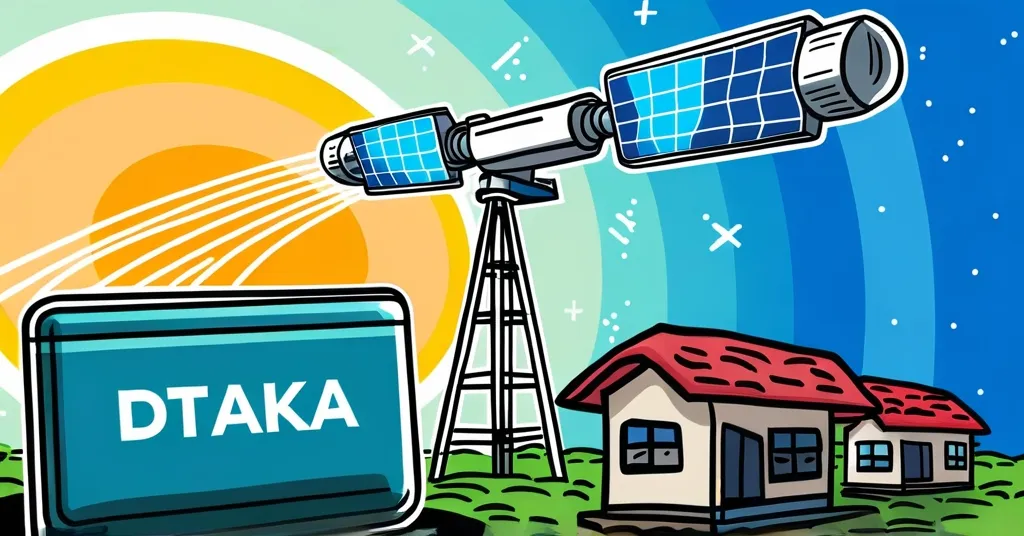
World Mobile’s decentralized physical infrastructure network (DePIN) and Starlink-powered AirNodes are set to play crucial roles in expanding network coverage. DePIN, or Decentralized Physical Infrastructure Network, decentralizes physical infrastructure like telecom networks, allowing for more resilient and community-driven connectivity solutions. Starlink AirNodes, on the other hand, are ground-based terminals that connect to SpaceX’s Starlink satellites, providing internet service to remote areas. Together, these technologies aim to enhance rural connectivity in the Philippines using blockchain internet.
Can blockchain technology truly revolutionize internet access in rural Philippines? The potential is there, but the execution will be key. This initiative isn’t just about connectivity; it’s about leveraging blockchain technology to transform how Filipinos access the internet and financial services.
DTaka: Revolutionizing Financial Services
DTaka, a new blockchain-based e-wallet, will be a key component of this partnership. With a dual-token system, DTaka uses two types of digital currencies: one that keeps its value steady for sending money (stablecoin), and another for fun games and rewards (utility token). This innovative approach aims to revolutionize financial transactions in the Philippines, facilitating remittances and mobile money transfers securely and efficiently. The rollout of DTaka is set to begin in 2025.
“DTaka represents a new frontier in financial technology, focusing on security and inclusion. With our dual-token system, we’re not just transferring money; we’re building a community of empowered users.” – Emmanuel Samson, CEO of DTaka
Challenges and Considerations
While the optimism surrounding this initiative is palpable, it’s important to acknowledge potential challenges. Ensuring widespread adoption of blockchain technology in rural areas, where digital literacy might be lower, could be a hurdle. Additionally, the success of DTaka will depend on its integration into existing financial ecosystems and the trust users place in blockchain-based financial tools.
Regulatory hurdles may also pose a challenge. The Philippines is actively developing regulatory frameworks to support blockchain and crypto, but navigating these regulations will be crucial for the success of the partnership. Traditional telecom providers might also be skeptical of this disruptive technology, which could lead to resistance or slow adoption.
However, if successful, this partnership could set a precedent for how blockchain technology can be used to solve connectivity and financial inclusion issues in emerging markets. The Philippines, with its proactive stance on crypto regulation, provides a fertile ground for such experiments.
Future Implications and Questions
As we watch this initiative unfold, it’s clear that the future of telecommunications and finance in the Philippines could be significantly altered by blockchain technology. But the real question remains: will this be the catalyst that drives widespread adoption of crypto and blockchain in the region?
By expanding blockchain-powered internet access and introducing blockchain-based financial tools like DTaka, this partnership aligns with the country’s broader efforts to increase crypto and blockchain adoption. It’s a step towards a decentralized future, but one that requires careful navigation of challenges and a robust push towards education and adoption.
Key Takeaways and Questions
- What is the primary goal of the World Mobile and DITO CME partnership?
The primary goal is to enhance mobile and broadband connectivity across the Philippines, particularly in underserved rural areas, using blockchain and decentralized technology.
- What technologies are being utilized to improve connectivity in the Philippines?
World Mobile’s decentralized physical infrastructure network (DePIN) and Starlink-powered AirNodes are being used to enhance network reach and coverage.
- What is DTaka and how does it function within the partnership?
DTaka is a blockchain-based e-wallet introduced by the partnership, using a dual-token model. It facilitates remittances and mobile money transfers with a stablecoin, and offers gamification and loyalty rewards with a utility token.
- When is the rollout of the new features planned?
The rollout of new features, including the DTaka wallet, is set to begin in 2025 within the Philippines.
- How does this partnership contribute to broader crypto adoption in the Philippines?
By expanding blockchain-powered internet access and introducing blockchain-based financial tools like DTaka, the partnership supports the country’s efforts to increase crypto and blockchain adoption.