Asset Managers Hoard 1.5M Bitcoin Amid US-Iran Tensions: Safe Haven or Risky Move?
 LTB
LTB Asset Managers Stack 1.5M Bitcoin as US-Iran Tensions Flare: Safe Haven or Risky Bet?
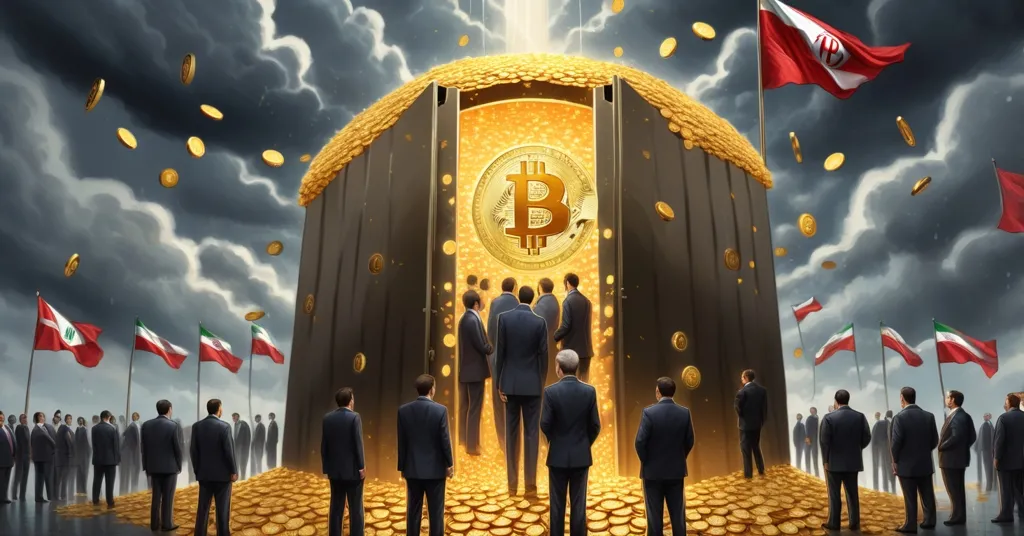
Bitcoin is grabbing Wall Street’s attention in a big way, with asset managers now holding over 1.5 million BTC—a massive stake that comes as tensions between the United States and Iran keep global markets on edge. Is this a sign that Bitcoin is solidifying its status as digital gold, or are these financial giants playing a dangerous game with a volatile asset?
- Huge Accumulation: Asset managers control over 1.5 million Bitcoin, a significant portion of the 21 million total supply.
- Geopolitical Push: US-Iran conflict may be driving interest in Bitcoin as a hedge against economic and market uncertainty.
- Double-Edged Sword: Institutional adoption boosts credibility but sparks fears of centralized control over a decentralized asset.
Institutional Bitcoin Surge: Breaking Down the Numbers
The scale of Bitcoin holdings by asset managers is staggering. With over 1.5 million BTC in their vaults, as reported by recent data on institutional Bitcoin accumulation, these institutional players—think heavyweights like BlackRock, Fidelity, and Grayscale—own roughly 7% of Bitcoin’s total capped supply of 21 million coins. This isn’t just a casual dabble; it’s a full-on commitment from the financial elite who once scoffed at crypto as a nerdy pipe dream. Grayscale alone, through its Bitcoin Trust, has long been a major holder, while BlackRock’s recent push into spot Bitcoin ETFs signals a seismic shift in how traditional finance views this asset. MicroStrategy, often dubbed a corporate Bitcoin whale, has also stacked hundreds of thousands of BTC, treating it as a core treasury reserve. This level of accumulation shows that Bitcoin isn’t just for basement-dwelling hodlers anymore—it’s a serious play for the suits managing trillions.
But what’s behind this rush to stack sats? Timing offers a clue. Geopolitical instability, particularly the ongoing friction between the US and Iran, is rattling traditional markets. When stocks wobble and fiat currencies face inflationary pressures from government spending or sanctions, Bitcoin’s appeal as a decentralized store of value starts to shine. Its fixed supply—hard-coded into a blockchain, which is a digital, tamper-proof ledger of transactions without a central overseer—makes it immune to the money-printing antics of central banks. For asset managers with billions to protect, even a small allocation to Bitcoin could be a lifeline if the global economy hits the skids.
Geopolitical Flashpoint: Why US-Iran Tensions Matter
The US-Iran standoff isn’t new, but it remains a powder keg with far-reaching economic ripples. Decades of hostility, fueled by disputes over Iran’s nuclear program, military skirmishes, and punishing US sanctions, have kept tensions simmering. Just this year, renewed rhetoric and tightened economic restrictions have spiked uncertainty. Historically, such conflicts disrupt oil markets, devalue currencies in affected regions, and trigger capital flight from traditional investments. Remember the 2019 drone strike on a Saudi oil facility, blamed on Iran, which sent oil prices soaring and rattled investors? Bitcoin saw a notable uptick in interest then as a borderless alternative. Fast forward to 2022, when the Russia-Ukraine war broke out, Bitcoin’s price and trading volume spiked as a hedge against currency controls and sanctions evasion.
For asset managers, these events expose the fragility of fiat systems. If a government can freeze assets or devalue a currency overnight, where do you park your capital? Bitcoin, untethered to any nation or central authority, offers a way out. It’s not just about dodging inflation; it’s about sidestepping the risk of capital controls or asset seizures that often accompany geopolitical crises. Iran itself has reportedly used Bitcoin mining and transactions to bypass US sanctions, highlighting how crypto can function as a financial escape hatch. For institutional investors, this makes Bitcoin a tantalizing—if unproven—safe haven asset during global unrest.
Bitcoin as Digital Gold: Hype or Hard Reality?
Bitcoin’s nickname, “digital gold,” isn’t just clever marketing. Like the precious metal, it’s scarce, durable, and outside government control. Unlike gold, you don’t need a vault to store it—just a private key. Its decentralized nature, powered by a network of miners securing the blockchain, means no single entity can manipulate or shut it down. During times of crisis, this resilience is a selling point. Asset managers aren’t just betting on Bitcoin as a speculative asset; many see it as a long-term store of value, especially when fiat currencies falter under the weight of conflict-driven spending or sanctions-induced inflation.
But let’s cut through the rose-tinted glasses. Bitcoin’s volatility is the stuff of nightmares—price drops of 20% in a day aren’t rare, and past crashes (like the 2018 bear market or the 2021 China mining ban fallout) have burned plenty of overconfident investors. Sure, gold took centuries to stabilize as a trusted asset, and Bitcoin’s only 15 years old. But asset managers aren’t charities—they need returns, not excuses. If US-Iran tensions escalate into a broader conflict, dragging down global markets, will Bitcoin hold steady as a safe haven, or will it tank alongside everything else? History offers mixed signals: while it spiked during the Ukraine crisis, it also cratered during the early COVID-19 panic of 2020. So, digital gold? Maybe. Reliable fortress? Not yet.
Risks of Institutional Dominance: Centralization Creeping In?
While we’re cheering Bitcoin’s mainstream acceptance, there’s a glaring downside to 1.5 million BTC sitting in institutional hands. Bitcoin was born from Satoshi Nakamoto’s vision of financial freedom—a peer-to-peer currency free from banks and overlords. Now, if a handful of Wall Street sharks control a hefty chunk of the supply, doesn’t that undermine the whole damn point? Imagine if BlackRock or Fidelity decided to dump even 10% of their holdings during a market panic. The resulting sell-off could trigger a flash crash, wiping out smaller investors in hours. Data from Glassnode suggests that as of 2023, institutional and whale wallets already hold a disproportionate share compared to retail hodlers, raising red flags about market manipulation.
Then there’s the regulatory minefield. Governments worldwide are still wrestling with how to handle crypto, and geopolitical flare-ups could fast-track crackdowns. The US SEC has dragged its feet on Bitcoin ETFs while hinting at tighter rules, and if Bitcoin is seen as a tool for sanctions evasion (as Iran has allegedly used it), expect harsher scrutiny. Asset managers might find their Bitcoin bets locked up by compliance nightmares or outright bans. And let’s not ignore the black swan risks—those unexpected disasters like a major network bug or a coordinated global internet shutdown during a crisis. Bitcoin’s tough, but it’s not invincible. For all the hype, these are real dangers that could turn this institutional love affair into a financial bloodbath.
Altcoins and Broader Implications: Bitcoin Isn’t the Only Game
As Bitcoin-maximalists, we’re all about BTC’s dominance as the ultimate store of value. But let’s give credit where it’s due—altcoins and other blockchains have their place in this revolution. Ethereum, for instance, powers decentralized applications (dApps) and smart contracts, offering utility that Bitcoin doesn’t aim to match. During global unrest, institutional interest might trickle into ETH or stablecoins as well, especially for firms looking beyond pure value storage. Still, Bitcoin’s brand as the original crypto and its unmatched network security (with a hash rate consistently hitting all-time highs) keep it the king of the hill. The 1.5 million BTC held by asset managers reinforces that primacy, but it doesn’t mean other protocols won’t carve out their niches.
Looking long-term, this institutional surge could reshape decentralization itself. If Bitcoin becomes a Wall Street darling, will it still be the people’s money? We’re all for effective accelerationism—pushing tech like the Lightning Network to scale Bitcoin for everyday use—but we can’t ignore the risk of it becoming just another elite asset. The US-Iran conflict might spotlight Bitcoin’s potential to disrupt broken financial systems, but true freedom means keeping it accessible to the masses, not just the trillion-dollar funds.
Key Questions and Takeaways on Bitcoin’s Institutional Wave
- Why are asset managers hoarding over 1.5 million Bitcoin right now?
With US-Iran tensions stoking fears of market chaos and inflation, these firms see Bitcoin as a hedge— a decentralized shield against the failures of traditional finance. - How do US-Iran conflicts amplify Bitcoin’s appeal as a safe haven asset?
Such crises expose fiat currency weaknesses and stock market risks, boosting Bitcoin’s status as a borderless, government-proof alternative for preserving wealth. - What does this institutional Bitcoin adoption mean for its decentralized roots?
It’s a major credibility boost that could steady Bitcoin’s volatile path, but risks centralizing power if a few big players dominate, clashing with Satoshi’s vision. - Are asset managers taking a gamble with Bitcoin amid global instability?
Damn right—Bitcoin’s savage price swings, regulatory fog, and potential for whale-driven crashes could turn this safe haven play into a catastrophic loss. - Can Bitcoin emerge as a global financial cornerstone during geopolitical strife?
It’s got the guts, with unmatched resilience and freedom from state meddling, but volatility and regulatory wars mean it’s a grueling slog, not an overnight win.
Bitcoin’s trajectory is a wild ride, and asset managers stacking 1.5 million BTC sends a loud message: the financial old guard is betting on this disruptive tech. US-Iran tensions might be the spark, shining a light on Bitcoin’s potential to upend a shaky status quo. As champions of decentralization, we’re rooting for this revolution to accelerate—let’s build a future where financial power isn’t hoarded by the few. But we’re not blind to the pitfalls. Volatility, centralization risks, and regulatory battles loom large. The path to making Bitcoin the world’s financial fortress is littered with traps, and only the sharpest will dodge the flames. Stay tuned as we keep cutting through the noise with raw, unfiltered takes on crypto’s rise.