Binance Under Fire: Investigators Fired Over $1B Iranian Sanctions Breach Allegations
 LTB
LTB New Binance Controversy: Investigators Alleging Iranian Sanctions Violations Fired
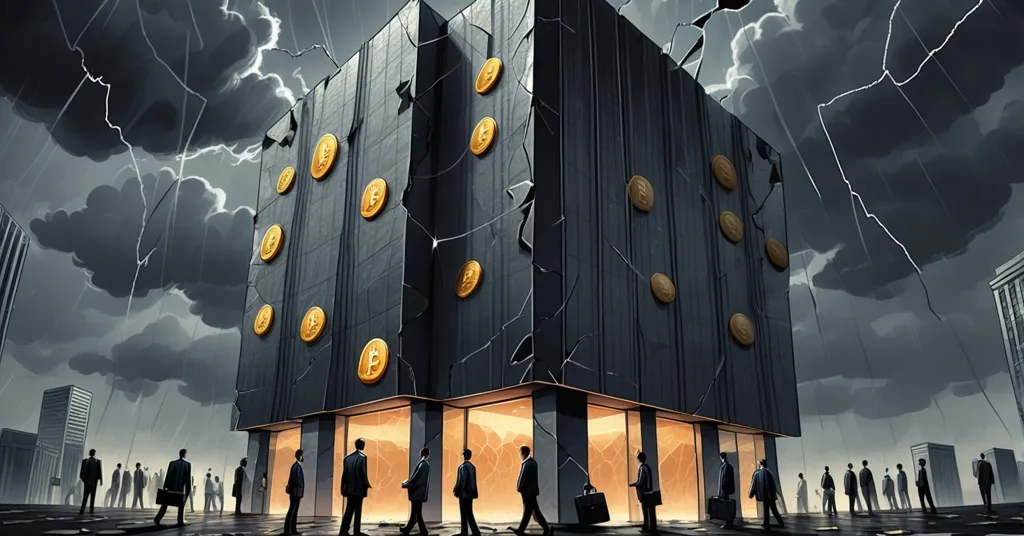
Binance, the titan of cryptocurrency exchanges, is back in the crosshairs with explosive allegations of processing over $1 billion in transactions tied to Iran, potentially breaching U.S. sanctions. A recent Fortune report reveals that internal compliance investigators who flagged these issues were abruptly fired, casting a harsh light on the exchange’s dedication to regulatory integrity at a time when it’s already under intense scrutiny.
- Billion-Dollar Breach: Over $1 billion in transactions linked to Iranian entities allegedly processed from March 2024 to August 2025.
- Compliance Purge: At least five investigators dismissed after reporting issues, alongside senior officials exiting.
- Regulatory Failure: Allegations emerge despite government oversight following a 2023 AML and KYC settlement.
Why This Matters
The Binance Iran sanctions controversy isn’t just another headline—it’s a gut check for the entire crypto industry. With centralized exchanges like Binance acting as gatekeepers to mainstream adoption, any hint of misconduct risks fueling distrust among users and regulators alike. This saga could shape how Bitcoin and decentralized technologies are perceived, potentially derailing progress toward a freer financial future if accountability isn’t addressed head-on.
The Allegations: Iranian Transactions Exposed
Between March 2024 and August 2025, Binance allegedly handled transactions exceeding $1 billion connected to Iranian entities, a direct challenge to U.S. sanctions laws. For those new to the term, U.S. sanctions are economic restrictions imposed by the government to limit financial dealings with specific countries, like Iran, due to geopolitical tensions. Violating these can lead to massive fines or even criminal charges, especially for a platform of Binance’s stature. These transactions weren’t obscure—they were conducted using Tether (USDT), a stablecoin pegged to the U.S. dollar, on the Tron blockchain, a decentralized network known for fast, low-cost transfers.
Let’s break this down. USDT acts as a digital stand-in for the dollar, allowing users to move value across borders without the volatility of other cryptocurrencies like Bitcoin. Tron, meanwhile, is a blockchain platform supporting smart contracts and decentralized apps, often praised for efficiency but criticized for minimal oversight. Unlike Bitcoin’s relatively transparent ledger, where transactions are traceable with effort, Tron’s structure and lack of mandatory know-your-customer (KYC) checks at the protocol level make it trickier to monitor illicit flows. Reports from blockchain analytics firms like Chainalysis have previously flagged Tron as a hotspot for questionable activity, with billions in annual volume tied to dubious transactions. If these allegations hold, Binance’s role in facilitating such transfers isn’t just a slip-up—it’s a glaring oversight that could spell legal disaster. For more on this developing situation, check out the detailed report on Binance’s alleged sanctions violations.
Whistleblower Fallout: Compliance Team Dismantled
The internal response at Binance is where things get uglier. Members of the exchange’s compliance team, tasked with sniffing out suspicious activity, documented these transactions and submitted reports. Their reward? By late 2025, at least five were fired, and over the past three months, four senior officials either resigned or were pushed out. These weren’t entry-level staffers—they included professionals with law enforcement backgrounds from Europe and Asia, with at least three holding senior roles in special investigations and global financial crime probes. Losing this caliber of expertise isn’t just a staffing issue; it’s a self-inflicted wound to any claim of prioritizing compliance.
The optics here are damning. Firing investigators right after they raise a red flag over a billion-dollar issue smells like suppression, not accountability. While specific details of their past work remain undisclosed, their senior positions suggest Binance shed critical insight at a moment when it needed it most. For an exchange under the global spotlight, this move screams either incompetence or a deliberate attempt to bury bad news. Either way, it’s a billion-dollar stink no amount of PR spin can mask.
Historical Context: Binance’s Regulatory Baggage
Binance’s rap sheet isn’t exactly clean. Back in 2023, the exchange pleaded guilty to violations of anti-money laundering (AML) and know-your-customer (KYC) laws—failing to properly vet users and block illicit funds from flowing through their system. AML refers to rules designed to detect and prevent money laundering, while KYC ensures businesses verify customer identities to avoid enabling crime. The fallout was seismic: hefty fines, the resignation of founder and CEO Changpeng Zhao (CZ), and a government-imposed monitorship. For clarity, monitorship means a third-party overseer, appointed by authorities, keeps tabs on a company’s operations to ensure they adhere to legal and ethical standards after prior misconduct.
This oversight was meant to be Binance’s turning point, a forced march toward regulatory maturity. Yet, the emergence of fresh allegations—under this very monitorship—raises serious doubts about its effectiveness. As the world’s largest crypto exchange by trading volume, Binance’s missteps don’t just affect them; they ripple across an industry already battling for legitimacy. If sanctions violations are confirmed, this could be more than a PR headache—it’s a potential invitation for harsher penalties or operational bans in key markets.
“That’s rather shocking that that happened under a monitorship with [Binance] internal investigators,” said Robert Appleton, a partner at Olshan Frome Wolosky and former U.S. Department of Justice official with expertise in sanctions and Iran-related cases.
Appleton’s disbelief echoes a broader concern: if monitorship can’t prevent such lapses, what will it take for exchanges to put compliance over profits? His comment underscores the gravity of Binance’s apparent failure to learn from past mistakes, especially when the stakes involve geopolitical flashpoints like Iran.
CZ’s Defense: Valid Critique or Deflection?
Changpeng Zhao, who stepped down as CEO after the 2023 settlement, didn’t hold back in responding to the allegations. On social media, CZ suggested that even if the transactions occurred, the investigators might have been dismissed not for reporting them, but for failing to prevent them in the first place. It’s a bold pivot—shifting blame to the very team sounding the alarm. He also challenged the credibility of the Fortune report, questioning its reliance on unnamed sources. According to CZ, anonymous accounts can weave negative narratives driven by personal grudges or hidden motives.
There’s some weight to his skepticism. Anonymous sources can indeed have axes to grind, and third-party AML tools often flag false positives, mistaking legitimate activity for illicit flows. But this defense only goes so far. Even if the investigators missed preventive measures, firing them after they uncover a potential $1 billion violation looks more like damage control than accountability. And while unnamed sources raise questions, the scale of the alleged transactions and the timing of the dismissals can’t be dismissed with a tweet. CZ’s counterattack might resonate with some, but it doesn’t erase the stench of systemic issues.
Industry Impact: Decentralization vs. Regulation
Zooming out, the Binance saga spotlights a core tension in crypto: the clash between decentralization’s promise of freedom and the regulatory nets meant to curb misuse. The use of USDT on Tron for these transactions highlights why illicit activity is so hard to stamp out in this space. Unlike traditional banks with centralized choke points and strict reporting rules, blockchains like Tron operate on a peer-to-peer basis. Policing them is like playing whack-a-mole at a carnival—you hit one issue, and three more pop up elsewhere. Stablecoins like Tether amplify the challenge, moving value across borders faster than regulators can react.
This isn’t just Binance’s problem—it’s an industry-wide hurdle. Crypto was built on ideals of privacy and cutting out middlemen, but bad actors can exploit those same features for sanctions evasion or worse. Stories like this hand ammunition to lawmakers eager to slap the sector with draconian rules, potentially stifling innovation. Yet, they also erode public trust, slowing mainstream adoption of Bitcoin and decentralized tech. For every user excited by crypto’s potential, there’s another spooked by headlines of exchanges playing fast and loose with the law. The question remains: can the industry mature without losing its rebellious edge?
Critical Analysis: Playing Devil’s Advocate
Let’s flip the script for a moment. Could there be merit to CZ’s stance that this is overblown? False positives in AML detection happen, and investigators aren’t always blameless if transactions slip through. Binance also operates in a hostile regulatory maze where missteps aren’t always malicious—sometimes they’re just costly errors. And let’s be real: running the world’s largest exchange means you’re a target for disgruntled insiders or sensationalist reporting. Maybe the firings weren’t a cover-up but a reaction to genuine incompetence within the compliance team.
Still, the optics are brutal. Dismissing seasoned investigators right after they flag a massive issue isn’t a subtle misstep—it’s a red flag waving in regulators’ faces. For Bitcoin maximalists, this reinforces why centralized exchanges are a liability to crypto’s ethos. Bitcoin was designed to bypass corrupt middlemen; entrusting funds to platforms like Binance feels like a betrayal of that vision. Altcoin advocates, however, might argue that networks like Tron and stablecoins like USDT fill niches Bitcoin can’t—speedy, low-cost transactions for global use. Both perspectives hold truth, but neither excuses potential sanctions violations or silencing internal watchdogs. The reality is clear: Binance’s actions, if proven, aren’t just a misstep—they’re a betrayal of the trust crypto needs to thrive.
Key Questions and Takeaways
- What’s at the heart of the Binance Iran sanctions controversy?
Binance allegedly processed over $1 billion in transactions linked to Iranian entities using USDT on Tron between March 2024 and August 2025, risking violations of U.S. sanctions laws. - Why are the compliance team firings so alarming?
Firing five investigators and losing senior officials after they reported suspicious activity suggests possible suppression, especially under government monitorship meant to enforce better practices. - How does this connect to Binance’s past compliance issues?
Following a 2023 guilty plea for AML and KYC failures, these new allegations indicate lingering systemic flaws despite promises of reform and oversight. - Does CZ’s defense hold water?
His doubts about anonymous sources and claims that investigators failed to prevent transactions have some merit, but they don’t fully counter the scale of the alleged violations or the disastrous optics of the firings. - What does this mean for crypto’s regulatory future?
If confirmed, this could spur tighter oversight on exchanges, potentially hindering innovation while highlighting the urgent need for crypto to combat illicit use responsibly. - How can the crypto community hold exchanges accountable?
By prioritizing decentralized solutions, supporting transparent platforms, and demanding public audits, users can pressure giants like Binance to uphold ethical standards and rebuild trust.
What’s Next for Binance and Crypto?
The road ahead for Binance looks rocky. If these allegations are substantiated, expect a cascade of consequences—further fines, leadership shakeups, or even restrictions in major markets like the U.S. Regulators might double down, using this as a case study to justify stricter controls across the board. For the broader crypto space, the fallout could mean a tougher climb toward mainstream acceptance, as skeptics point to centralized exchanges as proof of the industry’s immaturity.
Yet, there’s a silver lining if we seize it. This mess is a wake-up call for the community to demand better—whether through pushing for decentralized alternatives like non-custodial wallets or holding platforms to higher standards. Binance has the resources to lead on compliance; they just need the will. As champions of decentralization and disruption, we can’t ignore bad behavior in our ranks. If crypto is to be the future of finance, it must prove it can handle the responsibility of that power. For now, all eyes are on Binance to see if they’ll step up or stumble again.