Bitcoin Depot’s 2026 ID Mandate: Fraud Fix or Privacy Killer?
 LTB
LTB Bitcoin Depot’s ID Mandate: Safety Net or Surveillance Trap?
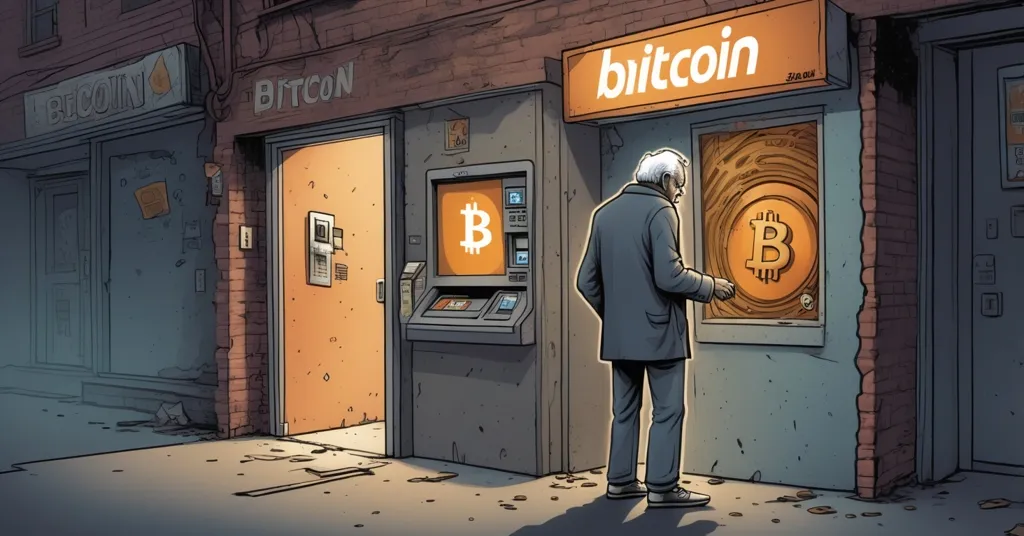
Bitcoin Depot, the titan of Bitcoin ATMs in the United States, has rolled out a seismic policy shift: starting February 2026, every transaction at their 9,000+ kiosks across North America will require ID verification. With Americans losing a staggering $333 million to crypto ATM fraud last year, this move is pitched as a crucial step to protect users—but it’s also igniting a firestorm over privacy, accessibility, and the very soul of cryptocurrency.
- Fraud Epidemic: $333 million lost to crypto ATM scams in the US last year, targeting the vulnerable.
- New Rules: ID checks for every transaction starting February 2026, closing prior loopholes.
- Privacy Clash: Security gains come at the cost of crypto’s core ethos of anonymity.
The Fraud Crisis Fueling the Change
Bitcoin ATMs have been a beacon for crypto adoption, turning cold hard cash into digital gold at the push of a button. With over 31,000 machines in the US alone—78% of the global total, per Coin ATM Radar—Bitcoin Depot dominates this space. Their kiosks, often tucked into corner stores and gas stations, have been a lifeline for the unbanked or those skeptical of online exchanges. But there’s a dark underbelly: these machines have become a scammer’s paradise. Last year, the FBI reported $333 million in losses to crypto ATM fraud in the US, with a disproportionate number of victims being elderly folks duped by fake government alerts or sham tech support calls. These scams exploit trust and tech unfamiliarity, tricking victims into depositing thousands into ATMs with no way to recover funds. Why? Bitcoin transactions are as final as a sent letter—once it’s gone, the blockchain offers no “undo” button, no matter how heartbreaking the story.
Bitcoin Depot’s response to this crisis has, until now, been woefully inadequate. Back in October 2025, they introduced ID verification for new users, but returning customers could keep transacting without a second glance. Critics called this a pathetic half-measure, and the fraud numbers backed them up. Scammers exploited the gap, and vulnerable users paid the price. So, come February 2026, that gap closes with a bang—every single transaction, whether you’re a first-timer or a regular, demands ID proof as detailed in their latest policy update. Scott Buchanan, CEO of Bitcoin Depot, framed this as a necessary evolution.
“By requiring identity verification at every transaction, we are taking an additional step to strengthen security, protect customers, and maintain the integrity of our services.”
Legal Hammers and Regulatory Heat
This policy didn’t materialize in a vacuum. Bitcoin Depot is under relentless fire from legal and regulatory fronts. Massachusetts Attorney General Andrea Campbell has filed a lawsuit accusing the company of negligence, claiming their lax protections enabled scams. She’s pushing for a cap on transactions over $10,000 unless stronger anti-fraud measures are in place. Maine went a step further, securing a $1.9 million settlement with Bitcoin Depot to refund scam victims—a rare win for those burned by irreversible transactions. Meanwhile, Iowa’s Supreme Court delivered a jaw-dropping ruling that Bitcoin Depot can legally retain cash from scam transactions if users confirm ownership of the receiving wallet. This decision has sparked outrage, with critics arguing it essentially rewards inaction on fraud prevention.
Beyond individual state actions, a broader regulatory wave is crashing down. At least 17 US states have passed laws demanding better safeguards at crypto ATMs, from daily spending limits to bold fraud warnings plastered on screens. Bitcoin Depot, as the market leader, is the biggest target for this scrutiny. Let’s be blunt: this ID mandate reeks of damage control. With regulators and lawmakers circling like sharks, self-imposed rules might be their way of dodging even harsher mandates. But will it work, or is this just a shiny distraction from deeper flaws?
Privacy and Accessibility Under Siege
Here’s where the rubber meets the road. Bitcoin was born as a middle finger to centralized control—a tool for privacy, autonomy, and financial freedom. Mandatory ID checks at every turn spit in the face of that vision. For many in the crypto community, anonymity isn’t a luxury; it’s the whole damn point. Requiring a government-issued ID risks alienating a core user base who see Bitcoin as a way to opt out of surveillance systems. And let’s not forget accessibility. Picture an immigrant without formal ID trying to send money to family abroad, or an underbanked individual who relies on cash-to-Bitcoin conversions for financial inclusion. These kiosks were supposed to be their gateway to sovereignty, not another bureaucratic hurdle.
On the flip side, the security argument isn’t baseless. If you’ve ever heard a story of a grandmother losing her life savings to a fake IRS call at a Bitcoin ATM, you’d be hard-pressed to dismiss the need for protection. The elderly, often less tech-savvy and more trusting of authority figures, are prime targets for these scams. A robust ID system might deter casual fraudsters and give pause to those orchestrating quick cons. But let’s not kid ourselves—determined scammers will just order a fake ID faster than you can say “Satoshi.” The real burden falls on legitimate users stuck navigating extra friction while the root issue of user education festers unresolved.
Could This Really Stop Fraud?
Let’s cut through the hype and ask the hard question: will mandatory ID verification actually curb fraud, or is it just a feel-good measure? On paper, it adds a layer of accountability—scammers might think twice if they know their face or details could be traced. But sophisticated fraud rings aren’t exactly sweating over this. Fake IDs are cheap on the dark web, and proxy users can be hired for pennies. The policy might snag low-level opportunists, but it’s unlikely to dismantle the bigger networks preying on the vulnerable.
Moreover, this move could push users toward shadier alternatives. If Bitcoin ATMs become too cumbersome, people might turn to unregulated online platforms or peer-to-peer deals, where risks of fraud or outright theft are often higher. Bitcoin Depot’s dominance means their policies ripple across the industry, potentially setting a precedent for competitors to follow suit. But at what cost? Are we solving one problem only to create three more? And why aren’t we focusing on tech-driven solutions like AI fraud detection—flagging suspicious patterns in real-time—or mandatory, unskippable scam alerts tailored to user demographics?
A Deeper Wound in the Crypto Ethos
Zooming out, Bitcoin Depot’s dilemma is a microcosm of the eternal tug-of-war in crypto: security versus liberty. We champion decentralization as a way to disrupt the status quo, to accelerate toward a future where financial power rests with individuals, not institutions. Yet every time innovation outpaces regulation, we see the ugly fallout—vulnerable people exploited, trust eroded. As Bitcoin maximalists, we argue that BTC’s core design, with its emphasis on privacy and irreversibility, shouldn’t be compromised for short-term fixes. If regulated use cases demand oversight, let altcoins or other blockchains like Ethereum fill those niches with their smart contract flexibility or compliance-friendly frameworks. Bitcoin shouldn’t bend to fit a broken system; it should force the system to adapt.
Still, we can’t ignore the human toll. Protecting users—especially the most at-risk—matters. Alternative paths exist beyond ID mandates. Why not cap unverified transactions at, say, $500 a day to limit catastrophic losses without alienating privacy advocates? Or partner with community groups to run anti-scam workshops for seniors? Hell, slap a “Confirm you’re not being scammed” prompt on every ATM screen before funds are released. These ideas aren’t perfect, but they respect Bitcoin’s ethos while addressing real pain points. Why settle for a sledgehammer when a scalpel could do?
Breaking Down the Basics for Newcomers
For those just dipping their toes into crypto, let’s clarify a few things. A Bitcoin ATM, often called a BTM, is a physical machine where you can buy or sell Bitcoin using cash or a card, much like a regular bank ATM but for cryptocurrency. They’re a convenient entry point, especially for folks without access to online exchanges or traditional banking. The catch? Bitcoin transactions are irreversible—think of sending BTC as dropping a coin into a bottomless well. Once it’s sent to a wallet, there’s no getting it back, unlike a credit card payment where you can dispute a charge. This trustless design is Bitcoin’s strength, ensuring no middleman can meddle, but it’s also a gaping vulnerability when scams strike.
Key Questions and Takeaways
- Why is Bitcoin Depot mandating ID verification starting in 2026?
It’s a reaction to $333 million in crypto ATM fraud losses last year in the US, coupled with lawsuits and regulatory pressure accusing them of enabling scams through weak safeguards. - Who are the main targets of crypto ATM scams, and how do they get hit?
The elderly are often the hardest hit, deceived by scammers using fake government notices or tech support ruses to trick them into depositing cash, with no recovery possible due to Bitcoin’s finality. - What legal battles is Bitcoin Depot facing, and why do they matter?
They’re dealing with a Massachusetts lawsuit for transaction caps, a $1.9 million Maine settlement for victim refunds, and a controversial Iowa ruling on retaining scam funds—signaling a regulatory tide that could reshape crypto ATM norms. - Does this ID policy betray Bitcoin’s core principles?
Damn right it does—privacy and autonomy are at risk, potentially locking out users who value anonymity or lack formal ID, like the unbanked or undocumented. - Will ID checks stop fraud, or just burden honest users?
It might deter small-time crooks, but savvy scammers can dodge with fake IDs, leaving legitimate users to slog through red tape while systemic issues like user education remain ignored.
As Bitcoin Depot rolls out this mandate, we’re left grappling with an uncomfortable truth. Pushing for a decentralized future means embracing the mess that comes with it—both the liberating highs and the gut-punching lows. We’re all for accelerating adoption and smashing outdated systems, but not if it means sacrificing Bitcoin’s essence or leaving the vulnerable to fend for themselves. This isn’t just about one company’s kiosks; it’s a test of how crypto balances safety with freedom. Are we ready to trade Bitcoin’s soul for a false sense of security, or can we innovate smarter solutions that don’t compromise our roots? The clock’s ticking, and the community’s watching.