Bitcoin Mining Difficulty Drops 10% as Weak Miners Get Squeezed Out
 LTB
LTB Bitcoin mining just got a little less punishing: network difficulty fell 10%, giving miners some breathing room as profits stay tight and weaker operators continue to get squeezed out.
- Difficulty down 10% — a meaningful relief valve for miners
- Pressure still high — electricity costs, hardware expenses, and the halving are still biting
- Efficient miners win — cheap power and lean operations matter more than ever
For newcomers, Bitcoin mining difficulty is the network’s built-in adjustment system that keeps block production on track. Roughly every 2,016 blocks, or about every two weeks, Bitcoin recalibrates how hard it is to find a valid block based on how much computing power, or hash rate, is online. Hash rate is simply the total amount of computing power securing the network. When more miners join in, difficulty rises. When miners shut machines down, difficulty falls.
This 10% drop is not a rounding error. It means the network has become easier to mine on a relative basis, which can improve the odds of earning block rewards for miners still running rigs. But nobody should mistake that for a clean recovery. Mining profitability is still under pressure from high energy costs, expensive equipment, and the brutal economics of the Bitcoin halving, which cuts the block subsidy — the BTC miners earn for each block, before transaction fees — by 50% roughly every four years.
That’s the part of Bitcoin mining most casual observers miss. It’s not a cozy passive-income side hustle. It’s a competitive grind where efficiency is king and sentiment means jack. The operators with cheap electricity, modern ASICs, disciplined treasury management, and smart site selection can still make the numbers work. The rest? They get flushed out when the spreadsheet stops pretending everything is fine.
A sharp difficulty decline often signals that a chunk of hash rate has dropped off the network. That can happen after a price slump, after a halving, or when power prices spike and the weakest miners can no longer justify keeping machines online. Sometimes it’s weather, sometimes it’s debt, sometimes it’s just bad timing and bad capital allocation. Whatever the reason, Bitcoin doesn’t care. It adjusts and keeps producing blocks.
That automatic adjustment is one of the most underappreciated features of the protocol. There’s no central planner stepping in to smooth things over, no bailout, no emergency meeting full of empty jargon. If miners leave, difficulty falls and the network gets easier to mine until block times normalize again. That’s Bitcoin doing what fiat systems and political institutions often cannot: absorbing stress without begging for rescue.
The downside is obvious. A 10% difficulty drop is relief for surviving miners, but it can also be a sign that a meaningful number of operators have capitulated. In mining terms, capitulation means miners are forced to shut down or sell BTC to cover losses because their costs have outpaced revenue. That can create extra sell pressure in the market, especially when less efficient miners dump coins to keep the lights on. Not exactly a Hallmark moment.
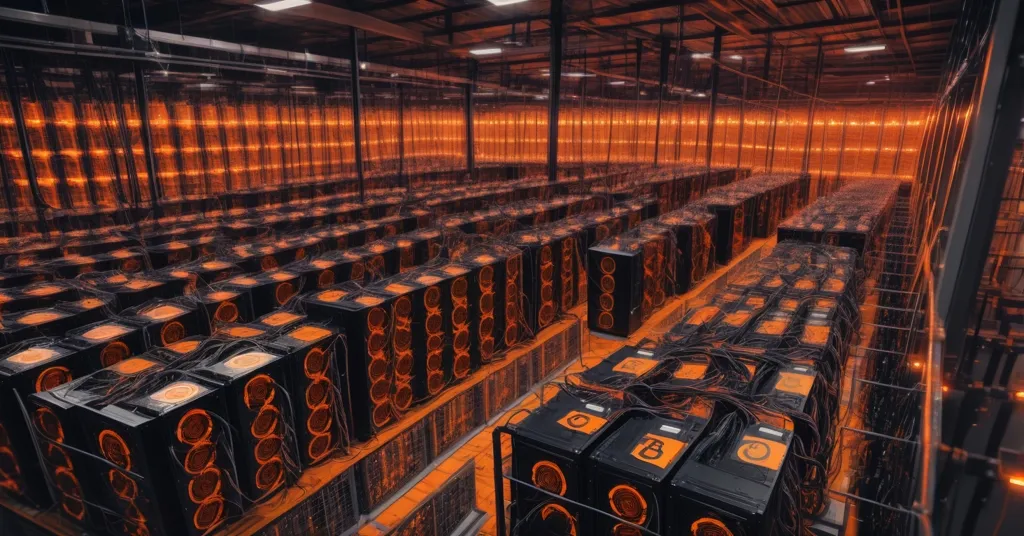
At the same time, the shakeout is part of the design. Bitcoin mining is supposed to reward the most efficient participants and punish waste. That adversarial setup is what makes the network resilient. It also means the industry is constantly under pressure to innovate, optimize, and cut costs. The romance of “digital gold” gets a lot less poetic when you’re staring at a power bill and a row of machines pulling the equivalent of a small town’s electricity load.
The 10% difficulty drop may also matter for Bitcoin’s broader security picture. Lower difficulty does not mean the network is suddenly weak or unsafe. Bitcoin remains secured by immense amounts of distributed compute and economic incentive. But difficulty adjustments do reflect the changing health of the mining sector, and a meaningful fall usually means the economics have become rough enough to force out some participants. That’s not a bug. It’s the market doing market things.
There’s also a practical wrinkle here: miners earn revenue from both block rewards and transaction fees. Fees become more important over time as the block subsidy keeps shrinking with each halving. That means the long-term mining model depends increasingly on Bitcoin usage, fee demand, and operational efficiency. In other words, the future of mining is not just about “number go up” memes and shiny warehouse selfies. It’s about whether the network can generate enough economic activity to sustain security as subsidies decline.
So what does a 10% difficulty drop actually mean for the people running rigs right now? It means surviving miners get a better shot at earning rewards. It does not mean the entire sector is suddenly healthy. It does not erase debt, fix overpriced hardware, or make bad power contracts magically disappear. What it does do is reward the operators who built lean businesses instead of gambling on endless upside and praying to the laser-eyes gods.
Bitcoin mining difficulty is down, but the pressure hasn’t gone away. The network is simply adapting as designed, while inefficient miners continue to get washed out. Harsh? Absolutely. But Bitcoin was never built to be gentle. It was built to be honest.
- What does a 10% difficulty drop mean?
It means Bitcoin mining got easier on a relative basis, improving the odds that active miners can find blocks and earn rewards. - Why does Bitcoin mining difficulty change?
It changes automatically to keep block times steady, even when hash rate rises or falls. - Does a difficulty drop make mining profitable again?
Not necessarily. It helps, but high electricity costs, expensive hardware, and the post-halving reward squeeze still hurt margins. - Who benefits most from lower difficulty?
The most efficient miners with cheap power, modern machines, and strong operations benefit first. - What is miner capitulation?
It’s when miners can no longer stay profitable and are forced to shut down rigs or sell bitcoin to cover costs. - Does lower difficulty weaken Bitcoin?
No. It shows the network is adjusting to changing mining conditions, which is part of how Bitcoin stays resilient.