BlockDAG, Ethereum, Tron, Dogecoin: Top Crypto Picks for 2026—Hype or Substance?
 LTB
LTB Top Crypto Picks for 2026: BlockDAG, Ethereum, Tron, Dogecoin—Hype or Real Value?
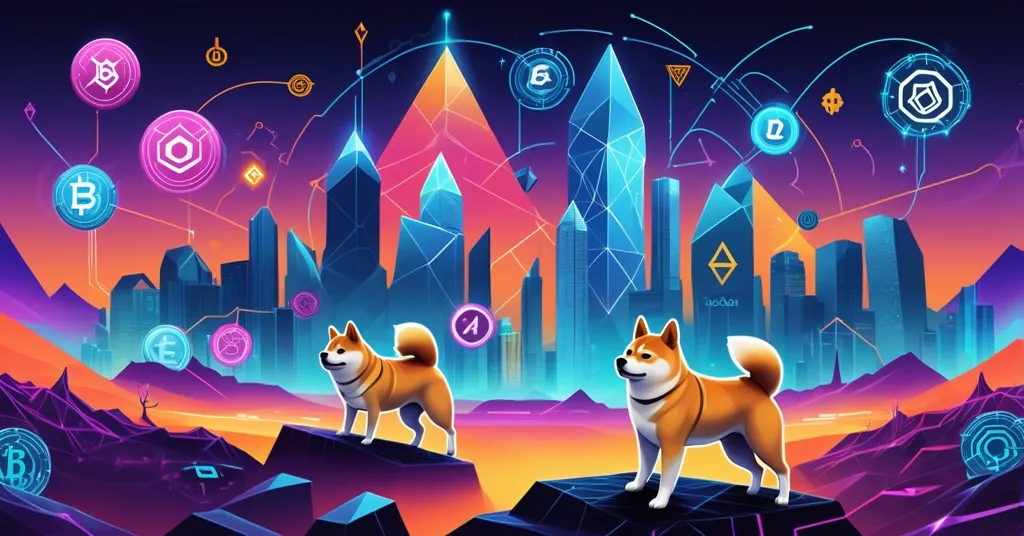
With the crypto market perpetually hungry for the next big breakout, four projects—BlockDAG, Ethereum, Tron, and Dogecoin—have been flagged as potential heavyweights for massive gains by 2026. But are these picks grounded in substance, or just another wave of speculative fervor? Let’s tear into the claims, the tech, and the risks with a sharp eye.
- BlockDAG Buzz: Boasts 5,000 TPS and a 200x return potential with a presale price of $0.00025.
- Ethereum Edge: Dominates with smart contracts and pushes scalability upgrades.
- Tron Traction: Offers fast, cheap transactions with a broad developer ecosystem.
- Dogecoin Drama: Meme coin fueled by viral hype, but light on utility.
BlockDAG: Speed Claims vs. Reality
BlockDAG is being hyped as the new darling of the blockchain world, with claims that could make even the most stoic investor raise an eyebrow. A transaction speed of 5,000 transactions per second (TPS)—supposedly 500 times faster than Ethereum—is the headline grabber. To put that in perspective, TPS is a measure of how many transactions a blockchain can handle in a single second, a key indicator of scalability for real-world use. Bitcoin chugs along at about 7 TPS, while Ethereum currently averages 15-30 TPS before its latest enhancements. If BlockDAG’s numbers hold up under stress, it could be a game-changer for high-volume applications.
Technologically, BlockDAG reportedly uses a Directed Acyclic Graph (DAG) structure, a non-linear alternative to traditional blockchains that aims to process transactions faster by allowing multiple blocks to be added simultaneously. Think of it as a web of transactions rather than a single chain, a concept shared by projects like IOTA or Nano. But here’s the rub: claims of 5,000 TPS are meaningless without proof of performance under real network load. Have they been battle-tested, or are we just swallowing marketing fluff? Compared to competitors like IOTA, which has struggled with centralization and adoption despite similar promises, BlockDAG’s tech remains an unproven mystery.
Their Mainnet is live, allegedly processing real transactions, with major exchange listings slated for February 16. Their presale price is a microscopic $0.00025 per coin, set to jump to $0.05 at launch—a staggering 200x increase if market conditions and adoption align. They’re also running a Token Generation Event (TGE) with a free airdrop claimable through their dashboard within 24-48 hours of announcements, provided you connect a wallet. Unclaimed tokens follow a vesting schedule, meaning they’re released gradually over time to prevent a “dump”—a rapid sell-off that tanks the price. It’s a smart move on paper to stabilize value, but let’s call it what it is: a speculative pipe dream until we see hard evidence of demand. Without a clear use case, a transparent team, or a roadmap showing real-world traction, this smells like the ICO scams of 2017. Bitcoin maximalists would argue that no amount of speed matters when security and decentralization—Bitcoin’s core strengths—aren’t proven. Is BlockDAG innovation or just another flash in the pan?
Ethereum: The Smart Contract Titan’s Challenges
Ethereum stands as the undisputed heavyweight in the blockchain arena, second only to Bitcoin in market cap and far ahead in developer activity. It pioneered smart contracts—self-executing code that runs on the blockchain without intermediaries—powering a vast ecosystem of decentralized applications (dApps). From decentralized finance (DeFi) protocols that cut out banks to non-fungible tokens (NFTs) revolutionizing digital ownership, Ethereum is the backbone of trustless innovation, striking at the heart of centralized control. Its 2022 transition to Proof-of-Stake (PoS) via the Merge slashed energy use by over 99.95% compared to the old Proof-of-Work (PoW) system, silencing critics who slammed crypto for environmental waste.
Yet, Ethereum isn’t resting on its laurels. Ongoing upgrades like sharding—splitting the blockchain into smaller, parallel “shards” to process transactions faster—aim to tackle its Achilles’ heel: scalability. High gas fees, the costs paid to execute transactions or smart contracts, can soar to $50 or more during peak network congestion, pricing out smaller users. Think of gas fees as tolls on a crowded highway; the more traffic, the higher the price. Sharding promises to ease this by expanding capacity, but rollouts are complex, with delays and security risks (like shard vulnerabilities) still looming. Current timelines suggest incremental progress through 2026, but perfection isn’t guaranteed.
Despite fierce competition from faster, cheaper chains, Ethereum’s sheer ecosystem size—thousands of dApps and billions in locked value—makes it a safer bet for long-term growth. Still, Bitcoin purists might scoff, arguing that Ethereum’s complexity sacrifices the simplicity and security of BTC as sound money. Can Ethereum’s upgrades keep it competitive, or will rivals chip away at its dominance by 2026? As advocates of effective accelerationism, we’re rooting for Ethereum to push boundaries—but only if it delivers on its promises.
Tron: Affordable Alternative or Centralized Compromise?
Since its launch in 2017, Tron has carved a niche as a faster, cheaper alternative to Ethereum, boasting millions of users and billions of transactions. Its native token, TRX, fuels the network, covering fees and enabling governance voting, giving holders a say in its direction. Tron’s ecosystem is versatile, hosting games, financial apps, and massive stablecoin traffic—particularly USDT, a dollar-pegged token that often dominates its volume. For the uninitiated, stablecoins minimize crypto’s wild price swings, making them ideal for trading or remittances. Tron’s low fees (often fractions of a cent) and quick processing times make it practical for real-world use, especially compared to Ethereum’s sometimes brutal costs.
But Tron’s shine dims under scrutiny. Founder Justin Sun has faced persistent criticism over centralization, with allegations that a small number of nodes—many tied to Sun himself—control the network, undermining the decentralization ethos we champion. Legal troubles, including SEC scrutiny over TRX’s initial sale as a potential unregistered security, add to the unease. Market manipulation whispers tied to Sun’s actions haven’t helped either. While Tron’s transaction volume—often driven by USDT—shows genuine utility, it lacks Ethereum’s depth of innovation or trust. Bitcoin maximalists would argue it’s just a centralized database masquerading as a blockchain. Is Tron a practical contender for 2026, or will its controversies outweigh its affordability?
Dogecoin: Meme Hype or Hidden Value?
From a 2013 joke to a market darling, Dogecoin—complete with its Shiba Inu mascot—defies logic by staying relevant. Its rise is pure cultural phenomenon, fueled by social media buzz and endorsements from figures like Elon Musk, whose tweets have triggered price spikes of 20% or more overnight. Unlike Ethereum or Tron, Dogecoin offers no groundbreaking tech; it’s a basic fork of Litecoin, itself a Bitcoin offshoot. Yet, its passionate community keeps it alive for niche uses like tipping creators on platforms like Reddit or making micro-payments, where low fees and speed matter.
Community-driven initiatives, like funding charity drives or even sponsoring a NASCAR driver, highlight Dogecoin’s quirky charm. But let’s not sugarcoat it: investing in DOGE for “huge gains” is like betting on a viral internet cat video to fund your future—it’s cute until it crashes. Price volatility tied to Musk’s whims shows its speculative core; a single tweet can inflate or tank its value. Bitcoin purists dismiss it as a distraction from crypto’s mission of financial freedom. Does Dogecoin have any staying power beyond hype, or is it destined to fade when the next meme coin steals the spotlight?
The Bigger Picture: Crypto Trends for 2026
Zooming out, these four projects sit in a broader crypto landscape that’s both thrilling and treacherous. By 2026, regulatory crackdowns could reshape the market, especially for speculative plays like BlockDAG or meme coins like Dogecoin. Governments worldwide are tightening the screws—think stricter KYC rules or outright bans on unproven tokens—which could crush hype-driven projects lacking fundamentals. Meanwhile, institutional adoption continues to favor Bitcoin and Ethereum, with major firms like BlackRock already dipping toes into BTC ETFs. This could widen the gap between established players and untested altcoins.
Bitcoin remains the gold standard for decentralization and value storage, and maximalists would argue none of these “top picks” match its security or ethos. Yet, as champions of disruption, we see value in Ethereum’s programmable money and Tron’s practical scalability filling niches Bitcoin isn’t meant to serve. For deeper insights into promising cryptocurrencies for future gains, check out this analysis on top crypto coins for 2026. The question is whether hype-driven projects can survive the inevitable shakeout. We’re all for effective accelerationism—pushing tech to upend the status quo—but not at the expense of reason. Let’s ground this speculation in reality with some critical questions.
Key Questions for Crypto Investors in 2026
- What’s the real potential behind BlockDAG’s 200x return claim?
It hinges on a presale-to-launch price leap from $0.00025 to $0.05, but it’s pure speculation without proven adoption or utility. Until we see real demand and transparency, it’s a high-stakes gamble, not a guarantee. - Is Ethereum still a top investment despite growing competition?
Yes, its unmatched developer ecosystem and scalability upgrades cement its position, though high gas fees and rollout delays for updates like sharding remain hurdles to watch. - Can Tron compete long-term with Ethereum’s dominance?
Its speed and low costs carve a niche for practical apps, but centralization risks and a less innovative ecosystem limit its ability to challenge Ethereum’s depth and trust. - Does Dogecoin hold serious investment value for the future?
Hardly—its worth is tied to community hype and viral moments, not fundamentals, making it a speculative bet vulnerable to sharp crashes when sentiment shifts. - How should investors approach these hyped “top picks” for 2026?
With severe skepticism; ignore moonshot promises, dig into primary sources, and prioritize projects with tangible utility. Beware of paid promotions in crypto media—many “top lists” are swayed by project payouts.
Navigating the crypto frontier demands a balance of optimism and ruthless skepticism. BlockDAG might dazzle with speed claims, but untested promises burn fast. Ethereum and Tron bring more concrete value to the table, though each wrestles with flaws—high costs for one, trust issues for the other. Dogecoin embodies crypto’s wild, dark side, where memes can trump merit. As we push for a decentralized future rooted in freedom and privacy, let’s back innovation that endures, not just the next quick buck. Stick to fundamentals, question the noise, and remember: if a crypto pitch sounds too good to be true, it’s probably a mirage. We’re here to accelerate disruption, but only with eyes wide open.