Canada Boosts China Exports by 50% Amid U.S. Tariffs: Crypto’s Trade Role Explored
 LTB
LTB Canada’s Strategic Pivot: 50% Export Surge to China Amid U.S. Tensions and the Crypto Connection
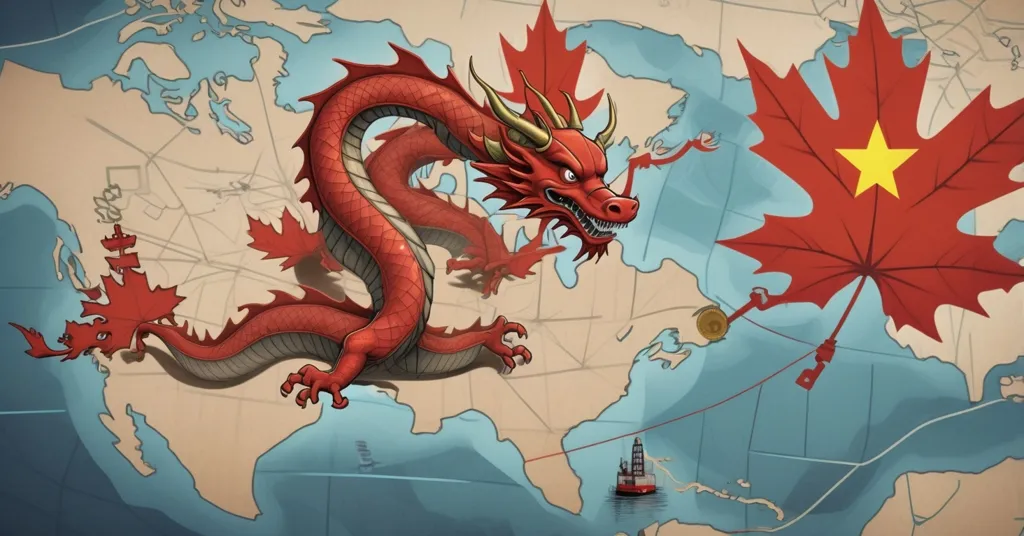
Canada has unveiled a groundbreaking trade pact with China, targeting a 50% increase in exports by 2030, a move born out of necessity as U.S. tariffs bite hard. This bold shift, cemented during Prime Minister Mark Carney’s historic visit to Beijing, could reshape global trade dynamics while whispering sweet possibilities for blockchain and Bitcoin in cross-border dealings.
- Ambitious Goal: Canada plans to boost exports to China by 50% by 2030.
- U.S. Fallout: Punitive tariffs from the Trump Administration in 2025 force a market pivot.
- Crypto Potential: Trade shifts open doors for decentralized solutions like Bitcoin.
The U.S. Trade Fallout: A Catalyst for Change
The seeds of this dramatic realignment were sown when the Trump Administration rolled out steep tariffs in 2025, slamming Canadian goods with a 50% levy on copper, 25% on steel and aluminum, and 10% on energy imports like oil. For context, Canada has long depended on the U.S. for its economic lifeline—back in 2024, a staggering 95% of its energy exports flowed south. These tariffs weren’t just a slap on the wrist; they were a full-on economic gut punch, pushing Ottawa to seek new trade horizons. Think of it as a small business getting hit with a massive fee to sell in its main market—suddenly, finding new customers becomes a matter of survival.
This isn’t just about numbers on a spreadsheet. The fallout affects real people—Canadian miners, steelworkers, and oil producers who’ve built livelihoods on U.S. demand. With the American market now a hostile terrain, Canada’s gaze turned eastward to China, a resource-hungry giant eager to fill the void. But can this pivot deliver true economic freedom, or is it just swapping one overbearing partner for another?
Canada’s China Pivot: What’s on the Table
During a landmark visit—the first in nearly a decade—Prime Minister Mark Carney met with President Xi Jinping to hammer out a strategic partnership. The focus, as outlined in a press release from Carney’s office, is clear:
Collaboration in energy, clean technology, and climate change.
This pact isn’t a mere handshake; it’s a comprehensive deal spanning multiple sectors. On the export side, Canada will ramp up shipments of agricultural goods to China, with tariffs on canola seeds slashed from a crippling 84% to a manageable 15%. Lobsters, peas, and crabs are also part of the package, offering a lifeline to rural communities and coastal fisheries. Meanwhile, energy remains the big ticket—oil exports to China surged by over 300% in 2025, while Chinese imports of U.S. crude plummeted by more than 60%. That’s a tectonic shift in trade flows, and Canada is riding the wave. For more details on this ambitious plan, check out the new trade agreement between Canada and China.
In return, Canada is opening its doors to Chinese goods, including steel, aluminum, and electric vehicles (EVs). Starting in 2026, up to 49,000 Chinese EVs will roll into Canadian markets annually. This could slash car prices for consumers but raises thorny questions about domestic auto jobs. Will Canadian manufacturers get crushed under this influx, or can they adapt to the new competition? It’s a gamble, and not everyone’s cheering from the sidelines.
Then there’s the elephant in the room: Canada’s past vocal criticism of China’s human rights record, from the treatment of Uyghur minorities—referring to allegations of mass detentions in Xinjiang—to crackdowns in Hong Kong. Historical diplomatic spats, like the 2018 arrest of a Huawei executive in Vancouver, have fueled tensions. Yet, with economic survival at stake, those concerns seem muted now. Some policymakers argue that trade engagement might nudge China toward better behavior more than isolation ever could. Others call it a cop-out, blinded by trade profits. The debate rages, but the deal is signed.
Infrastructure as Game-Changer: The Trans Mountain Pipeline
A crucial enabler of this trade pivot is the Trans Mountain Expansion (TMX) pipeline, completed in the summer of 2024 after years of delays and controversies. This pipeline stretches from Alberta’s oil-rich interior to the Pacific coast of British Columbia, unlocking access to Asian markets that were once out of reach due to Canada’s landlocked resources. For the uninitiated, pipelines are like arteries for crude oil, shuttling massive volumes from production hubs to ports for global shipping. Without the TMX, Canada’s oil would remain tethered to U.S. pipelines and refineries, subject to American whims.
The TMX isn’t just a piece of steel; it’s a symbol of economic emancipation. By connecting directly to the Pacific, Canada can now ship oil to China and beyond, sidestepping U.S. tariffs and market restrictions. But it’s not all smooth sailing—environmental concerns and indigenous opposition have dogged the project for years. Still, its completion marks a turning point. Will this pipeline truly secure Canada’s energy future, or are there unseen risks in betting big on Asian demand?
Decentralization in Trade: A Crypto Opportunity?
Now, let’s pivot to a perspective close to our hearts: the potential for decentralized systems to disrupt traditional trade. Canada’s break from U.S. economic dominance mirrors the ethos of cryptocurrency—shaking off centralized control, whether it’s a domineering trade partner or a legacy banking system. Imagine Canadian exporters settling deals with China in Bitcoin, bypassing tariff disputes and intermediary banks with their pesky fees and delays. It sounds far-fetched today, but in a world of escalating trade wars, the appeal of borderless, censorship-resistant money grows.
Blockchain technology could also play a role beyond just payments. Platforms like IBM’s TradeLens have already shown how distributed ledgers can bring transparency to supply chains, tracking goods from origin to destination. Ethereum-based smart contracts—self-executing agreements coded on the blockchain—could automate trade finance, ensuring payments release only when goods are delivered. Applying this to Canada-China oil or agricultural trade could cut fraud and red tape. For Bitcoin maximalists like myself, though, the ultimate vision is BTC as the settlement layer for global trade—unstoppable, neutral, and free from any nation’s grip. Altcoins and other protocols like Ethereum have their niche, sure, but Bitcoin’s simplicity and security stand unmatched for true sovereignty.
That said, let’s play devil’s advocate. China’s push for its digital yuan—a centralized digital currency—clashes hard with decentralized ideals. Canada, too, might lean toward central bank digital currencies (CBDCs) if trade frictions intensify, potentially sidelining grassroots crypto adoption. Regulatory hurdles are another beast; both nations have tight grips on financial flows. So, while the dream of blockchain-driven trade is tantalizing, the road is littered with potholes. Are we overhyping crypto’s role here, or could effective accelerationism—pushing tech adoption at breakneck speed—make this a reality sooner than we think?
Risks and Realities: Trading One Master for Another?
Canada’s gamble on China is undeniably bold, but it’s not without serious pitfalls. For one, there’s the risk of geopolitical backlash from the U.S. Further retaliatory tariffs or diplomatic spats could fracture North American unity even more. Then there’s the danger of over-reliance on China itself. Critics of China’s Belt and Road Initiative point to how smaller nations often end up economically beholden to Beijing, trapped by debt or influence. Is Canada trading one form of centralized control for another, just with a different flag?
Domestically, the influx of Chinese steel and EVs could gut local industries. Job losses in manufacturing might spark public outcry, even if cheaper electric cars benefit consumers. On the flip side, the export boom—projected to add billions in revenue by 2030—could create jobs in agriculture and energy. It’s a mixed bag, and Prime Minister Carney is walking a tightrope. Add to that the moral dilemma of prioritizing trade over human rights, and you’ve got a recipe for heated debate. Is this truly a step toward economic freedom, or just a reshuffling of global power dynamics?
Key Takeaways and Questions
- What’s behind Canada’s push for a 50% export increase to China by 2030?
It’s a direct response to punishing U.S. tariffs in 2025 on copper, steel, aluminum, and oil, forcing Canada to diversify away from its historic 95% reliance on the American market. - How does the Trans Mountain Expansion pipeline enable this shift?
Completed in 2024, the TMX pipeline connects Alberta’s oil to Pacific ports, allowing direct shipments to China and reducing dependence on U.S. export routes. - What sectors are most affected by the Canada-China trade deal?
Energy (oil), agriculture (canola, lobsters), clean technology, and automotive (Chinese EVs) are key, alongside industrial materials like steel and aluminum. - Could blockchain or Bitcoin play a role in this trade pivot?
Absolutely—decentralized systems could streamline payments and supply chain transparency, with Bitcoin offering a borderless alternative to traditional finance, though regulatory and CBDC trends pose challenges. - What are the biggest risks Canada faces with this deal?
Risks include U.S. retaliation, over-dependence on China, domestic job losses from cheap imports, and backlash over sidelining human rights concerns for economic gain.
Looking Ahead: Disruption and Decentralization
Canada’s trade pivot to China is a middle finger to outdated dependencies and a nod to a multipolar future. It’s a pragmatic, if controversial, leap toward economic resilience, with potential upsides in revenue and innovation—think joint clean tech ventures or climate projects where blockchain could track carbon offsets transparently. Yet, the shadows loom large: geopolitical tensions, industrial impacts, and ethical compromises can’t be ignored.
For us in the crypto space, this saga is a reminder of why decentralization matters. As nations jostle for economic leverage, the case for borderless money like Bitcoin strengthens. If trade wars keep heating up, grassroots adoption of BTC or even niche blockchain solutions could sneak into the mainstream faster than any central planner expects. Canada’s move isn’t just about oil or EVs—it’s a chess play in a broader game of sovereignty. And in that game, decentralized tech might just be the wildcard nobody saw coming.