ChatGPT Selfie Craze Sparks Biometric Privacy Fears in Kenya After Worldcoin Scandal
 LTB
LTB ChatGPT Selfie Trend Ignites Biometric Privacy Alarm in Kenya
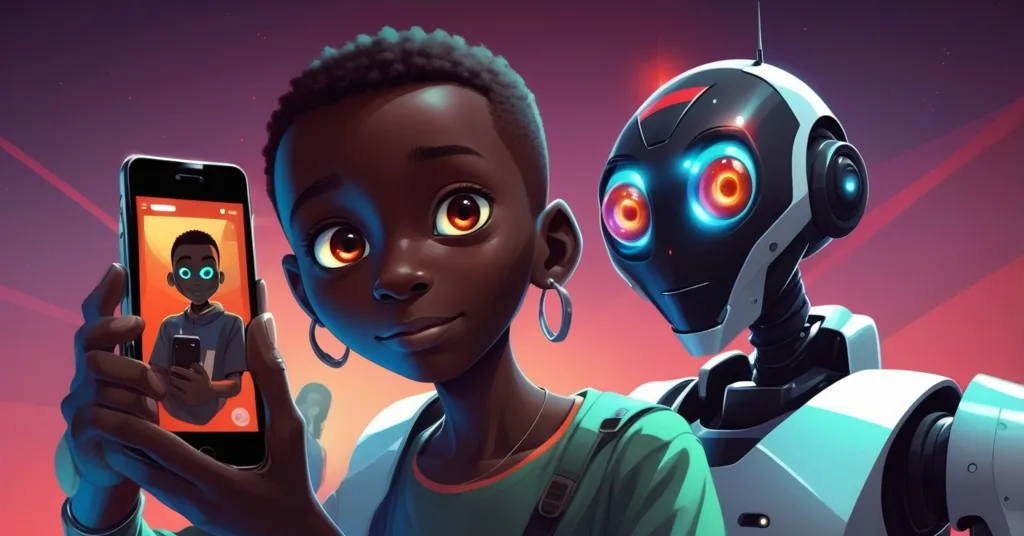
A seemingly harmless social media craze in Kenya has thrust biometric privacy back into the spotlight. Users are flocking to OpenAI’s ChatGPT to upload selfies and receive AI-generated caricatures, but this viral trend is raising serious concerns about data exploitation—especially in a country still reeling from the invasive practices of Worldcoin, a crypto identity project linked to the same tech mogul behind ChatGPT.
- Trendy Trap: Kenyans are sharing selfies with ChatGPT for fun AI images, unknowingly surrendering biometric data.
- Privacy Warning: Kenya’s Data Commissioner calls this a form of surveillance capitalism, echoing past battles with Worldcoin.
- Corporate Shadows: OpenAI’s billion-dollar deals and ad-driven model hint at why user data is becoming a goldmine.
The Selfie Craze: Fun at What Cost?
Across Kenya, social media feeds are buzzing with AI-generated caricatures created by ChatGPT. The process is simple: upload a selfie, let the AI exaggerate your features into a quirky digital avatar, and share it online for likes. It’s a hit, especially among younger users on platforms like TikTok, where mobile-first internet access and high social media penetration make trends spread like wildfire. But beneath the laughs lies a darker reality. By uploading these images, users are handing over biometric data—unique physical traits like facial features that act as a digital fingerprint, impossible to change once exposed. This data can be used to identify individuals with eerie precision, often without their full understanding of where it ends up. For more on this growing issue, check out the detailed report on the ChatGPT selfie trend and biometric privacy concerns in Kenya.
Kenya’s Data Commissioner, Immaculate Kassait, issued a stark warning about the implications.
“What you have just done is share your biometrics. In the future, somebody doing analytics can actually tell every single thing about you. You clicked, you didn’t ask what the purpose is.”
Her words are a wake-up call. Unlike a password you can reset, biometric data is forever—once it’s out there, it’s out of your control. Even ChatGPT itself pushes users to comply, with responses like
“I need your actual face […] once I have it, I can exaggerate the right features, sharpen the attitude, and dial the realism just right.”
It’s a clever nudge, but one that sidesteps the critical question: what happens to your face after the doodle is done?
Worldcoin Flashback: A Pattern of Exploitation
Kenya is no stranger to biometric data scandals, having just emerged from a bruising fight with Worldcoin. Launched in 2023 by Sam Altman—also the CEO of OpenAI—Worldcoin promised a decentralized digital identity and crypto wealth by scanning irises and facial data with futuristic “orb” devices. In return, participants received 25 Worldcoin tokens, valued at roughly Ksh 8,256 at the time. The pitch sounded revolutionary, but the execution was a privacy disaster. Concerns over data misuse and inadequate safeguards led Kenyan regulators to suspend Worldcoin’s operations in August 2023. A High Court ruling in May of that year found the project in violation of Kenya’s Data Protection Act of 2019, citing flawed consent processes and the absence of a Data Protection Impact Assessment (DPIA)—essentially a mandatory report card on how a company plans to safeguard your data before collecting it.
Last month, Kenya’s Office of the Data Protection Commissioner (ODPC) confirmed that all biometric data collected by Worldcoin in 2023 was deleted from its systems. This was a rare victory for privacy advocates in a world where tech giants often dodge accountability. Yet, the ChatGPT selfie trend feels like déjà vu. Another Altman-linked venture, another biometric data grab, and another wave of users who may not grasp the stakes. Kassait’s term “surveillance capitalism”—the practice of turning personal info into profit without fair compensation—feels painfully apt. With Worldcoin, users at least got tokens (however dubious their worth); with ChatGPT, you’re trading your face for a fleeting digital sketch while OpenAI potentially uses it to train AI models for free.
OpenAI’s Data Hunger: Billion-Dollar Incentives
Peering into OpenAI’s broader strategy reveals why user data, like Kenyan selfies, might be so tempting. The company boasts $13 billion in revenue but faces a staggering $1.4 trillion in compute commitments—essentially, the raw processing power needed to keep AI systems like ChatGPT running. To fuel this growth, OpenAI has inked massive deals, including a $100 billion commitment from Nvidia for 10 gigawatts of systems and a $10 billion partnership with Cerebras for 750 megawatts of AI chips. On top of that, the recent rollout of ads in ChatGPT signals a shift toward monetizing every user interaction. Competitor Anthropic seized on this with a cheeky Super Bowl ad campaign, taunting with the line
“Ads are coming to AI. But not to Claude.”
Meanwhile, Anthropic is investing $50 billion in US data centers and partnering with Microsoft and Google, branding itself as the “ethical” AI player. Let’s not be naive, though—every company in this space is chasing the same jackpot: user data.
These financial pressures could explain why OpenAI might lean heavily on data collection, even from seemingly trivial trends like selfies. Your facial data isn’t just a photo—it’s raw material for training facial recognition systems, enhancing generative AI, or even predicting behaviors. Worse, it can be sold to third parties, from advertisers to governments, often without users ever knowing. For a company balancing billion-dollar costs, every uploaded selfie is a tiny piece of a much larger profit puzzle.
Decentralization’s Promise: A Privacy Lifeline?
As a Bitcoin maximalist, I see decentralization as the ultimate antidote to corporate overreach. Bitcoin stands as a beacon of user sovereignty—no central authority hoards your data, no “orb” scans your face for a token. But the broader crypto and AI landscape is a mess of half-baked promises. Worldcoin pitched itself as decentralized identity, yet it replicated the same old exploitation, just with blockchain buzzwords slapped on top. Ethereum and other protocols push boundaries in ways Bitcoin doesn’t, like smart contracts and privacy tools such as zero-knowledge proofs—tech that lets you prove something (like your identity) without revealing the details. Projects like SelfKey or uPort aim to give users control over personal data, storing it on blockchains rather than corporate servers. But even these have flaws; if the interface or incentives prioritize profit over privacy, they’re just another trap.
Kenya’s story with Worldcoin and ChatGPT is a microcosm of the global tug-of-war between innovation and personal freedom. Sure, AI tools like ChatGPT could democratize creativity, giving Kenyan artists or everyday users access to cutting-edge tech—if data were handled responsibly. But right now, the risks dwarf the rewards. Imagine a teenager in Nairobi uploading a selfie for a laugh, only to find their face in a global ad campaign or government database years later. That’s not sci-fi; it’s the logical endpoint of unchecked data grabs.
Kenya’s Fight: Regulation and Awareness
Kenya’s regulatory muscle offers a flicker of hope. The Data Protection Act of 2019 is a robust framework, mandating clear consent, data minimization (only collecting what’s necessary), and accountability through tools like DPIAs. It’s not perfect, but it’s a model compared to many nations, echoing stricter global standards like Europe’s GDPR. The ODPC’s swift action against Worldcoin shows smaller countries can stand up to tech titans, but laws alone won’t cut it. The real battlefield is user awareness. Most Kenyans jumping on the ChatGPT trend aren’t thinking about AI training datasets—data pools that “teach” AI to get smarter, often using your contributions without credit. They just want a cool avatar. Bridging that knowledge gap is where privacy will be won or lost.
Next time a flashy app asks for your face, pause and think: what’s the real price of that digital doodle? Kenya’s battle isn’t just local—it’s a warning for us all. As we race toward a decentralized future, privacy isn’t a luxury; it’s the foundation of any system worth fighting for. If we’re not vigilant, we’ll all end up staring into the digital “orb” of surveillance capitalism, wondering how we handed over our freedom for a meme.
Key Questions and Takeaways
- What’s behind the ChatGPT selfie trend in Kenya?
It’s a viral social media challenge where users upload selfies for AI-generated caricatures, driven by the thrill of personalized digital art on platforms like TikTok. - Why are biometric privacy risks such a big deal in Kenya?
Sharing selfies gives away unique facial data that can be used for tracking or AI training, mirroring past exploitation by Worldcoin, which was shut down for violating data laws. - How does Worldcoin’s history connect to ChatGPT’s practices?
Both are tied to Sam Altman and involve collecting biometric data with shaky transparency, fueling fears of surveillance capitalism after Worldcoin’s forced data deletion in Kenya. - What fuels OpenAI’s interest in user data like selfies?
With massive costs and deals with Nvidia and Cerebras, OpenAI may harvest data to train AI models and offset expenses through ads or third-party sales. - Can Bitcoin or blockchain tech counter AI privacy threats?
Bitcoin’s decentralized design avoids central data hoarding, while blockchain tools like zero-knowledge proofs could secure biometric info—if they prioritize users over profit. - How can Kenyans shield themselves from AI and crypto data traps?
Better education on data risks, tougher enforcement of laws like Kenya’s Data Protection Act, and embracing privacy-first tech are key to resisting corporate overreach.