Congress Revives Clarity Act to Shape U.S. Crypto Future Amid Heated Debates
 LTB
LTB Congress Revives Landmark Crypto Bill to Define the Future of Digital Assets in the U.S.
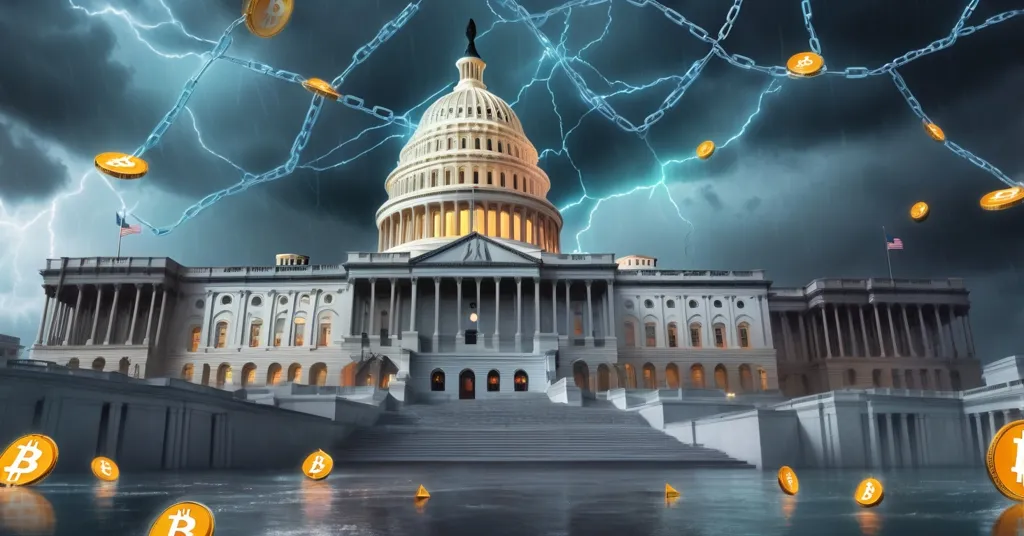
Congress is breathing new life into a pivotal piece of legislation, the Clarity Act, aimed at establishing the first comprehensive legal framework for cryptocurrencies and digital assets in the U.S. After stalling in previous sessions, this market structure bill is back with a vengeance, set for crucial hearings in the Senate Agriculture and Banking Committees. With debates raging over regulatory clarity, stablecoin rewards, DeFi protections, and ethical concerns tied to public officials profiting from crypto, the stakes couldn’t be higher—especially with the 2026 midterms looming on the horizon. For more details on the revival of this major legislation, check out this update on the crypto bill.
- Legislative Revival: The Clarity Act aims to set clear rules for U.S. crypto markets, addressing a long-standing regulatory void.
- Hot-Button Issues: Stablecoin yields, DeFi developer liability, self-custody rights, and politicians’ crypto profits are under scrutiny.
- Time Crunch: Midterm elections in 2026 create a tight window for passage, risking delays that could derail progress.
Background: A History of Regulatory Limbo
The U.S. cryptocurrency industry has been stuck in a frustrating gray zone for years, with businesses facing legal battles and uncertainty over basic rules. Remember the 2021 Infrastructure Bill debacle, where last-minute crypto tax reporting provisions sparked outrage for their vagueness? That was just one chapter in a saga of missed opportunities for clarity, leaving firms like Ripple tangled in SEC lawsuits over whether tokens are securities. The Clarity Act represents a chance to end this chaos, but the path forward is anything but smooth. It’s high time Congress stopped playing catch-up and started leading—before the U.S. loses more ground in the global blockchain race.
Clarity Act 101: Slicing Through the Regulatory Fog
At its core, the Clarity Act seeks to define who’s in charge of overseeing the wild world of digital assets. The Securities and Exchange Commission (SEC) and the Commodities Futures Trading Commission (CFTC) have long clashed over jurisdiction, with the SEC cracking down on tokens it deems securities—like in the ongoing Ripple XRP case—while the CFTC pushes for oversight of crypto as commodities. This bill aims to draw clear lines, dictating which agency regulates what, and setting compliance standards for exchanges, brokerages, and other crypto firms. For Bitcoin holders and blockchain innovators, this could mean a safer, more predictable environment to operate in. But if mishandled, it risks becoming a bureaucratic nightmare that chokes innovation faster than you can say “private key.” The Senate committees are hammering out details this week, with a unified draft hopefully heading to a floor vote soon. Let’s hope they don’t botch it.
Stablecoin Rewards: A Banking Battleground
One of the biggest fights brewing around this bill is over stablecoin rewards—those juicy yields or interest payments offered by some stablecoin issuers whose tokens are pegged to the dollar, like Tether (USDT) or USDC. With a combined market cap exceeding $150 billion, stablecoins are a massive force, and their rewards are drawing ire from traditional finance. The Community Bankers Council, part of the American Bankers Association, points out that these yields dodge laws like the GENIUS Act, a regulation banning interest on dollar-linked tokens to prevent unchecked financial products. This creates a lopsided game, letting crypto firms lure savers away from bank accounts with promises of high returns. Cody Carbone of the Digital Chamber, a key advocacy group, confirmed the bipartisan resolve to tackle this, saying:
“Stablecoin rewards, interest, yields, whatever you want to call it, will be addressed in the bill. Both Republicans and Democrats have come to that conclusion.”
But here’s the flip side: traditional banks want these rewards banned outright, arguing they pose systemic risks if stablecoin issuers can’t back their promises. Crypto advocates counter that innovation shouldn’t be stifled just to protect old-school finance. It’s a messy debate, and if Congress leans too hard either way, it could either unleash unchecked financial experiments or kill a key use case for stablecoins. Navigating this is like juggling dynamite—one wrong move, and the fallout could be ugly.
DeFi Developers: Code in the Crosshairs
Decentralized Finance, or DeFi, is the untamed frontier of crypto—platforms where users lend, borrow, or trade assets directly through smart contracts, which are self-executing digital agreements on blockchains like Ethereum. Think of them as vending machines: input your crypto, get a loan or trade, no bank needed. Protocols like Uniswap and Aave have exploded, handling billions in transactions, but regulators are itching to rein them in. The big question is whether developers who write this open-source code should be legally responsible if someone uses it for illicit stuff. Advocates are pushing for language from the Blockchain Regulatory Certainty Act to shield developers from liability as long as they don’t control user funds. Amanda Tuminelli of the DeFi Education Fund laid it out clearly:
“We are very conscious of how illicit finance is treated in the bill, but want to make sure that obligations aren’t put on codes instead of persons.”
Regulators, however, argue that without accountability, DeFi becomes a haven for money laundering. They’ve got a point—scammers love anonymity—but punishing coders for others’ crimes is like blaming a hammer maker for a robbery. DeFi is a cornerstone of blockchain’s promise to cut out middlemen, and Ethereum’s ecosystem fills a niche Bitcoin wasn’t built for. As a Bitcoin maximalist, I’ll admit this space deserves room to breathe, but it can’t be a free-for-all. Congress needs to thread this needle carefully, or risk killing the spirit of decentralization.
Self-Custody: The Beating Heart of Decentralization
Another battleground is self-custody—the right to hold and manage your own crypto assets using personal wallets, free from third-party control. This is Bitcoin’s soul, the idea that you, and only you, control your funds via private keys on hardware wallets like Ledger or Trezor. It’s financial sovereignty in action. But any hint of legislation restricting this—say, by forcing reliance on regulated custodians like exchanges—spells disaster. History shows why: look at Mt. Gox in 2014 or FTX in 2022, where centralized platforms collapsed, wiping out user funds. Self-custody isn’t just a preference; it’s a shield against such catastrophes. If the Clarity Act threatens this right, it’ll face a revolt from the crypto community, and deservedly so. Losing self-custody means losing the fight for freedom that got us into Bitcoin in the first place. Congress, don’t even think about it.
Politicians and Profits: An Ethical Quagmire
Now, let’s talk about a controversy that hits close to power: should elected officials profit from crypto while in office? This isn’t abstract—groups tied to President Donald Trump have launched memecoins and NFT ventures, raising red flags about conflicts of interest. Senator Elizabeth Warren and others are pushing for strict bans on such profits during a politician’s tenure, a rule dropped in the House but revived in the Senate. If those shaping the Clarity Act stand to gain from the industry they’re regulating, how can the public trust the outcome? It’s a glaring ethical breach waiting to happen. On the other hand, some argue crypto is just another business, and restricting personal investments oversteps bounds. I’m with Warren on this—power and profit don’t mix, especially when trust in crypto policy is already shaky. This provision could make or break faith in the entire legislative effort.
Global Stakes: Will the U.S. Lead or Lag?
The Clarity Act isn’t just a domestic issue; it’s a global chess match. Nations like Singapore and the UAE have already rolled out crypto-friendly policies, licensing exchanges and attracting giants like Binance while U.S. firms drown in lawsuits. Reports suggest over 30% of blockchain startups relocated to such jurisdictions in recent years, per industry data. If Congress fumbles this bill, the brain drain will only worsen, costing the U.S. its shot at leading the decentralized revolution. But if the legislation is too harsh, it could drive innovation underground or overseas anyway. Bitcoin and blockchain are borderless—delay or overreach, and the U.S. becomes a bystander while others set the pace. The clock is ticking, and the world isn’t waiting.
Dark Side of Delay: Scams Thrive in Limbo
Every day without clear rules is a playground for con artists. Regulatory limbo fuels pump-and-dump schemes, unregistered ICOs, and outright fraud—think of the countless rug pulls that have fleeced investors out of billions. Without a framework like the Clarity Act, legit projects struggle to stand out amid the noise, and users remain vulnerable to the dark underbelly of crypto. I’ve got zero patience for scammers, and neither should Congress. Dragging their feet isn’t just negligence; it’s complicity in letting predators roam free. If lawmakers can’t get this done, they’re handing crooks the keys to the kingdom. It’s time to stop dithering and start protecting the space we’re fighting to build.
What This Means for You
For newcomers, regulatory uncertainty means extra caution—stick to trusted platforms and consider self-custody with hardware wallets to protect your Bitcoin. Investors, brace for market volatility as this bill unfolds; clarity could boost confidence, but delays might spook prices. DeFi developers, watch closely—liability protections could be a lifeline, but restrictive rules might force you to pivot or relocate. Whether you’re a casual hodler or a full-on crypto OG, the Clarity Act’s outcome will ripple through your world. Stay informed, because this isn’t just policy—it’s personal.
Key Takeaways and Burning Questions
- What’s the core purpose of the Clarity Act?
It’s designed to create a legal framework for cryptocurrencies in the U.S., defining SEC and CFTC roles and setting rules for digital asset firms to operate safely and predictably. - Why are stablecoin rewards so controversial?
They sidestep laws like the GENIUS Act, outcompeting traditional banks and sparking fears of financial instability if issuers can’t back their promises. - How could DeFi and self-custody be affected?
DeFi developers might get liability shields if they don’t control funds, while self-custody rights hang in the balance—vital for user control over crypto assets. - Should politicians profit from crypto ventures?
Many say no, citing ethical conflicts like those with Trump-linked projects; a Senate push for bans aims to protect trust in crypto policymaking. - What’s at risk if the bill stalls before 2026 midterms?
Delays could sink progress with shifting political winds, leaving U.S. crypto in limbo and ceding ground to global competitors like Singapore. - How does global competition factor in?
Nations with clear crypto rules are luring talent and firms away; U.S. inaction or overregulation risks losing leadership in the blockchain race.
Here we are, standing on the edge of a defining moment. The Clarity Act could ignite mainstream Bitcoin adoption and cement blockchain as the future of finance—or it could fumble, smothering innovation or leaving us vulnerable to scams. Lawmakers must juggle fostering this revolution with curbing its risks, all while the 2026 midterms cast a looming shadow. Bitcoin remains my north star, but I’ll give props to Ethereum and altcoins for pushing boundaries Bitcoin doesn’t touch. Still, let’s ditch the rose-colored glasses—this isn’t a done deal, and hype won’t help. Will Congress seize this chance to champion decentralization, or will they drop the ball, letting control slip back to the old guard? The fight for financial freedom hangs in the balance, and we’re all on the front lines.