Digitap ($TAP) Hype: Savior for Pepe Traders or Another Crypto Trap in 2026?
 LTB
LTB From Memes to Madness: Is Digitap ($TAP) Really the Escape Pepe Traders Need in 2026?
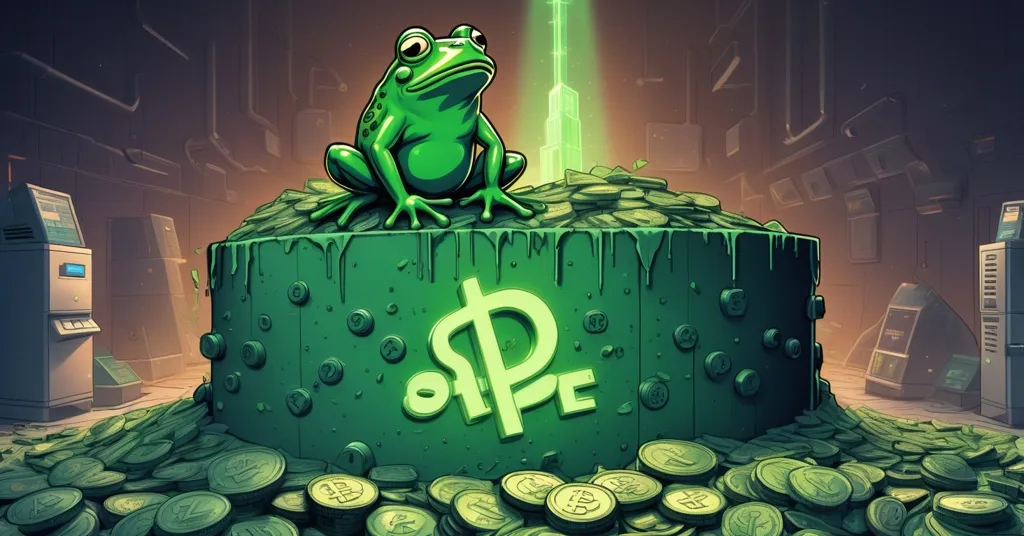
January 2026 paints a grim picture for the crypto market, where the once-hyped meme coin Pepe ($PEPE) is bleeding value, leaving traders scrambling for safer harbors like Digitap ($TAP). Billed as an “omni-bank” ecosystem, Digitap promises to fuse crypto with real-world banking, but is this a genuine leap forward or just another shiny presale trap? Let’s cut through the noise and dissect what’s driving this supposed shift from memes to utility.
- Pepe’s Plummet: Meme coin Pepe ($PEPE) trades near $0.000006, crushed by volatility, infinite supply, and fading hype.
- Digitap’s Pitch: Digitap ($TAP) raises $4.1M in presale, offering banking tools and a Visa debit card for crypto spending.
- Market Pivot: Are traders truly abandoning speculation for utility, or chasing the next overhyped token?
Pepe’s Perfect Storm: The Meme Coin Meltdown
The crypto world has never been a stranger to wild rides, but meme coins like Pepe have turned portfolios into punchlines. Sitting between $0.0000059 and $0.0000063 in January 2026, Pepe is caught in a relentless downtrend, a far cry from its viral peaks. For the uninitiated, meme coins are cryptocurrencies born from internet culture—think viral frogs or dogs—often with no purpose beyond riding social media waves. Pepe, inspired by the “Pepe the Frog” meme, exploded as a speculative darling but now embodies the sector’s biggest flaw: no substance. Its infinite supply—meaning there’s no limit to how many tokens can exist—floods the market, diluting value like a government printing cash non-stop. Imagine a currency where everyone can print more; that’s Pepe in a nutshell, and it’s why prices tank when the hype dies.
Layer on broader economic challenges, like central banks hiking borrowing costs to curb inflation, and speculative assets like Pepe get hammered. Higher interest rates mean less cheap money flowing into risky bets, leaving meme coin holders exposed. Regulatory scrutiny doesn’t help either—governments worldwide are cracking down on tokens with no clear utility, and Pepe’s lack of a use case makes it a prime target. Traders who jumped in during past bull runs, dreaming of overnight riches, are now staring at steep losses. It’s not just bad luck; it’s a structural flaw. Compare this to something like Dogecoin, which at least gained cultural staying power through celebrity endorsements. Pepe’s narrative feels stale, a tired joke no one’s laughing at anymore. The lesson? Hype without foundation is a one-way ticket to the graveyard of failed tokens.
Digitap’s Promises: Banking Bridge or Presale Mirage?
Amid Pepe’s collapse, Digitap ($TAP) strides in with a different story. Marketed as an “omni-bank ecosystem,” it aims to link digital assets with everyday finance, offering tools for payments, remittances, and more. Unlike Pepe’s empty buzz, Digitap claims real utility with live apps already on iOS and Android. One standout feature is a Visa-linked debit card, allowing users to spend crypto at over 80 million merchants globally. If you’ve ever tried paying for groceries with Bitcoin only to face blank stares, you get why this matters—seamless integration could be a game-changer for adoption. Picture sending money overseas cheaper than Western Union fees, or settling a bill with $TAP without a clunky exchange process. That’s the vision, at least.
Digitap’s presale stats are hard to ignore: over $4.1 million raised, with 191 million $TAP tokens sold at $0.0427, allegedly a 69.5% discount to a projected listing price of $0.14. They’re also pushing staking rewards with up to 124% annual percentage yield (APY) during presale, tied to platform revenue instead of reckless token minting. For newcomers, staking means locking up your crypto to support a project, earning rewards akin to bank interest—except the risks are higher, and so are the potential returns. Digitap sweetens the deal with a deflationary twist: 50% of revenue goes to buying back and “burning” $TAP tokens, sending them to an inaccessible wallet to shrink supply and, theoretically, boost value over time. It’s a stark contrast to Pepe’s endless dilution. For more on why some believe Digitap stands out as a promising option, check out this detailed perspective on $TAP’s potential.
But hold the applause. The marketing around Digitap reeks of presale shilling with inflated promises. Take these claims for what they are:
“Digitap ($TAP), an omni-bank ecosystem that links digital speculation and real-world banking… makes $TAP the best crypto to buy for sustainable gains in a maturing market.”
“For those swapping memes for utility, $TAP is the best crypto to buy for massive gains and long-term banking dominance.”
That’s not analysis; it’s a sales pitch. As someone who lives and breathes Bitcoin’s ethos of decentralization and freedom, I’m all for projects that disrupt the rotten financial system. But let’s not drink the Kool-Aid. Presales are notorious for dangling juicy numbers to hook retail investors, only to vanish or underdeliver. Who’s behind Digitap? Is there transparency on the team or a detailed roadmap for regulatory compliance? What if their Visa partnership hits a legal wall—think Ripple’s XRP battles with the SEC over unregistered securities. And that 124% APY? Sky-high yields often crash once the initial hype fades and platform revenue can’t sustain them. Predicting a $0.14 listing price is pure fantasy, not fact. We’ve seen countless projects raise millions just to rug-pull or flop. Digitap isn’t necessarily a scam, but blind trust in this space gets you burned.
Market Maturity: Are Traders Evolving or Just Desperate?
The narrative of traders fleeing meme coins for utility tokens like Digitap isn’t entirely baseless. Crypto markets have shown signs of maturing over the years. Back in 2020-2021, Decentralized Finance (DeFi)—blockchain systems for lending, borrowing, and trading without banks—stole the spotlight from pure speculation. Stablecoins like USDT gained traction for real payments, proving utility can drive adoption. Bitcoin remains the ultimate store of value, a decentralized fortress against fiat decay, but altcoins often fill gaps BTC doesn’t touch, like microtransactions or niche financial services. Digitap’s banking focus could, in theory, complement Bitcoin’s mission by making crypto spendable day-to-day.
That said, the idea that Pepe traders are suddenly turning into discerning investors feels like wishful thinking. Most meme coin players are gamblers praying for a viral tweet, not whitepaper analysts. If they’re jumping to Digitap, it’s likely less about utility and more about chasing the next big pump. Let’s play devil’s advocate: what if meme coins rebound? A single influencer push or cultural shift could reignite Pepe, infinite supply or not—stranger things have happened with Dogecoin. Conversely, Digitap’s utility focus might become a liability if the market swings back to speculative mania in a 2026 bull run. Utility sounds great on paper, but greed often trumps logic in crypto.
Bitcoin’s Shadow: Where Does Digitap Fit?
As a Bitcoin maximalist, I’ll always argue that BTC’s unshakable foundation—decentralization, scarcity, trustlessness—remains unmatched. No altcoin, no matter how flashy, can rival its proven resilience as a hedge against centralized control. Digitap’s banking ambitions might accelerate crypto adoption, aligning with our push for effective accelerationism to upend the status quo. But does Bitcoin need altcoins for everyday use cases? Not really. BTC’s role as digital gold doesn’t require it to be spent at Starbucks; that’s a distraction from its core strength. Altcoins like $TAP can tinker in the fringes, but they must echo Bitcoin’s spirit of sovereignty, not just peddle slick apps or partnerships. If Digitap centralizes too much in pursuit of “banking dominance,” it risks becoming the very beast we’re fighting against.
Regulatory Risks and Competitive Threats
Utility tokens aren’t immune to pitfalls. Regulatory hurdles loom large—projects bridging crypto and traditional finance often draw the ire of watchdogs. Look at Ripple, tangled in lawsuits for years over whether XRP is a security. Digitap’s Visa tie-up sounds promising, but what happens if governments slap down crypto debit cards as money laundering risks? Beyond legal woes, security is a concern. Centralized apps, even with blockchain elements, are tasty targets for hackers—just ask the countless exchanges breached over the years. Then there’s competition. Established fintechs like PayPal are already dipping into crypto payments. Can Digitap carve a niche against giants with deeper pockets? These aren’t just hypotheticals; they’re the harsh realities of innovating in this space.
Looking Ahead: What 2026 Could Mean for Crypto
Pepe’s nosedive is a brutal reminder that speculation without substance is a loser’s bet. Digitap, with its banking vision, offers a glimpse of crypto’s practical future—if it can deliver without crumbling under its own hype. By 2030, will utility tokens redefine how we interact with money, or will they be another forgotten chapter in altcoin history? As champions of decentralization, we must back projects that empower users, not just enrich presale insiders. Bitcoin’s revolution is about freedom, not fluff. Altcoins can innovate, but they’ve got to prove their worth beyond glossy promises. Stay sharp, stay skeptical, and let’s keep pushing for a world where trust isn’t needed because the code ensures it.
Key Takeaways and Questions on Pepe and Digitap in 2026
- Why are traders abandoning meme coins like Pepe in 2026?
Frustration with Pepe’s wild price swings, infinite token supply, and lack of purpose—coupled with economic pressures like rising borrowing costs—has driven traders away from speculation. - What sets Digitap ($TAP) apart from speculative tokens?
Digitap offers a working “omni-bank” ecosystem with payments, remittances, and a Visa debit card for crypto spending at 80 million merchants, plus a deflationary buy-back and burn model. - Can Digitap be trusted as a long-term crypto investment?
Its $4.1 million presale and live apps are notable, but overblown marketing and unproven projections like a $0.14 listing price scream caution—research their team and roadmap thoroughly. - What does Pepe’s crash reveal about meme coin risks?
Trading near $0.000006, Pepe exposes the flaws of meme coins with no supply cap or utility, vulnerable to fading hype, regulatory crackdowns, and market downturns. - How do utility tokens like Digitap compare to Bitcoin’s dominance?
While Bitcoin excels as a decentralized store of value, Digitap targets everyday financial use cases—potentially complementary, but lacking BTC’s proven track record and ethos. - Are Digitap’s staking rewards and tokenomics sustainable?
A 124% APY and revenue-driven token burns sound innovative, but high yields often collapse post-presale, and long-term revenue is untested—approach with heavy skepticism.