Dubai Bans KuCoin: UAE Cracks Down on Unlicensed Crypto Exchanges
 LTB
LTB KuCoin Blocked in UAE: Dubai Authorities Deliver a Brutal Wake-Up Call to Unlicensed Exchanges
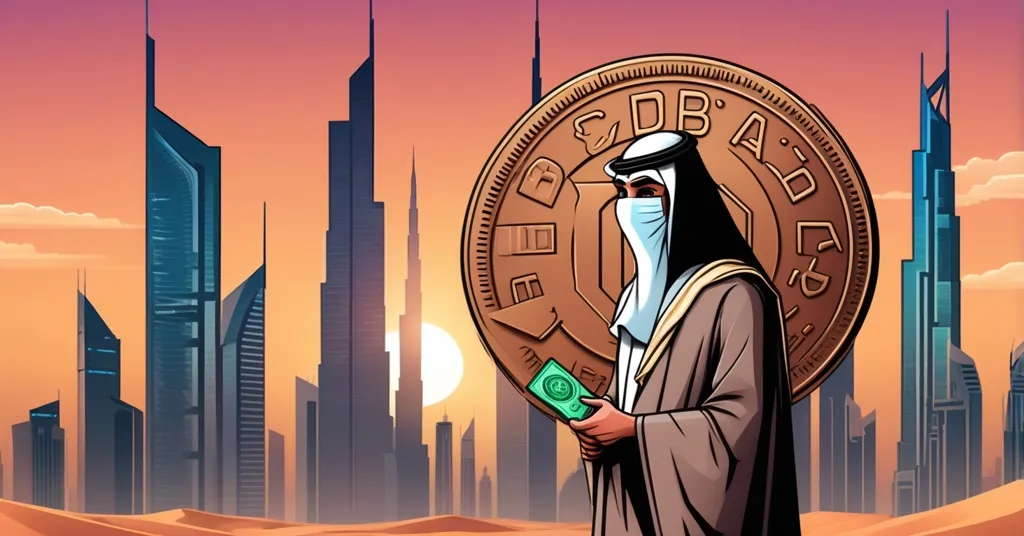
Dubai’s regulators have slammed the brakes on KuCoin, ordering the Seychelles-based cryptocurrency exchange to halt operations in the emirate immediately for lacking proper licensing. This decisive move by the Virtual Assets Regulatory Authority (VARA) not only exposes the risks of dealing with unregulated platforms but also signals a seismic shift in how crypto businesses must navigate tightening global oversight.
- Immediate Shutdown: KuCoin banned in Dubai for operating without VARA licensing.
- User Alert: Financial and legal risks highlighted for engaging with unlicensed crypto platforms.
- Global Ripple: Crackdown mirrors broader regulatory trends, even as KuCoin gains ground in Europe.
Dubai’s Regulatory Hammer Falls Hard on KuCoin
Dubai has been aggressively marketing itself as a global hub for blockchain and cryptocurrency innovation, with ambitious plans to integrate decentralized technologies into its economy. But don’t mistake that vision for a free-for-all. The Virtual Assets Regulatory Authority, or VARA, acts as the emirate’s crypto watchdog, tasked with ensuring that virtual asset businesses operate within strict safety and transparency guidelines. Under local regulations—specifically laws enacted in 2022—all companies offering crypto services, from trading to custody, must secure VARA’s approval to operate legally. KuCoin, despite its global reach, failed to meet these standards, leading to a swift and uncompromising ban on its operations in Dubai, as detailed in a recent report on KuCoin’s regulatory challenges in the UAE.
VARA’s stance is crystal clear: no license, no business. Beyond ceasing operations, KuCoin is also prohibited from advertising or promoting its services to Dubai residents. For those new to the crypto space, this isn’t just bureaucratic red tape—it’s a protective measure. Unlicensed exchanges often lack the safeguards required to protect user funds, leaving investors vulnerable to hacks, fraud, or sudden platform closures. VARA’s warning to users drives this home: dealing with unauthorized platforms like KuCoin could lead to devastating financial losses or even legal trouble if you’re found violating UAE regulations. Picture a Dubai trader waking up to a frozen account, with no local authority to turn to for help. That’s the kind of nightmare scenario VARA aims to prevent.
Shanaka Anslem, a Dubai-based crypto market analyst, took to social media platform X with a no-holds-barred take on the situation:
If you hold assets on any exchange that lacks explicit licensing in your jurisdiction, the VARA action is your early warning system. The next cease-and-desist might freeze withdrawals before you can act. The era of ‘move fast and ignore regulators’ is over. The only exchanges that survive the next two years are the ones that already have the paperwork.
Anslem’s words aren’t just a cautionary tale—they’re a blunt prophecy. Crypto exchanges have historically thrived by outrunning regulation, setting up shop in lax jurisdictions while ignoring compliance. But Dubai’s crackdown on KuCoin proves that game is up. UAE crypto regulations are no longer a suggestion; they’re an ironclad mandate, and non-compliance isn’t a minor hiccup—it’s a death sentence for business in the region.
KuCoin’s Global Woes: Not Just a Middle East Problem
KuCoin’s troubles extend far beyond the sandy shores of Dubai. Over in Europe, the exchange has been grappling with similar regulatory heat. Austria’s Financial Market Authority (FMA) recently clamped down on KuCoin’s European operations, barring it from onboarding new customers or expanding business due to insufficient compliance staff. It’s a bitter irony, considering KuCoin celebrated a major milestone earlier this year by securing a Markets in Crypto-Assets (MiCA) permit from the same Austrian regulator. For those unfamiliar, MiCA is the EU’s attempt to create a unified rulebook for crypto across member states—think of it as a single passport for exchanges to operate legally throughout the region, though still subject to local enforcement quirks.
That MiCA permit is a win on paper, allowing KuCoin to tap into the EU market under a standardized framework. But Austria’s restrictions show that even with a golden ticket, full compliance is a grueling uphill battle. This duality—progress in some areas, pushback in others—mirrors the broader struggle of crypto platforms worldwide. Governments are no longer willing to let the industry operate in a regulatory gray zone, and exchanges that don’t adapt risk being locked out of key markets.
Innovation vs. Oversight: Is Dubai Killing the Crypto Dream?
Let’s zoom out and look at the bigger picture. Blockchain technology, with Bitcoin at its heart, represents a radical push for financial freedom and decentralization—ideals we fiercely support. As Bitcoin maximalists, we see it as the ultimate bastion against centralized control, a peer-to-peer system that doesn’t need middlemen or government approval. But the reality is, the ecosystem around Bitcoin—exchanges like KuCoin, altcoin projects, and DeFi protocols on chains like Ethereum—plays a vital role in driving adoption and filling gaps Bitcoin doesn’t directly address. These platforms offer liquidity, accessibility, and innovation, even if they often come with baggage like regulatory blind spots or outright scams.
Regulators, however, aren’t wrong to demand accountability. The crypto space has a ugly history of rug pulls, hacks, and shady operators who’ve screwed over investors with billions in losses through sheer negligence or malice. Dubai’s hardline stance with VARA is a direct response to those risks, a bid to protect residents and build a credible blockchain hub. But here’s the devil’s advocate angle: could this heavy-handed approach backfire? If every misstep results in a swift prohibition, will smaller innovators or startups even bother entering Dubai’s market? Compliance often comes with hefty costs—legal fees, audits, capital requirements—that big players like Binance might absorb, but which could crush smaller outfits. Dubai risks turning its blockchain utopia into a ghost town for anyone but the corporate giants.
Moreover, there’s a chance that aggressive crackdowns push crypto activity underground rather than into compliance. Users desperate for access might turn to peer-to-peer trading or black-market platforms, bypassing VARA’s oversight entirely and creating new risks. It’s a tightrope walk for regulators: foster growth without enabling chaos, and protect users without suffocating the very technology they claim to champion.
Bitcoin’s Self-Custody Ethos vs. Exchange Reliance
For Bitcoin purists, KuCoin’s ban is a screaming reminder of a core principle: not your keys, not your crypto. Why trust centralized platforms when the blockchain itself is the ultimate vault? Bitcoin was built to cut out intermediaries, empowering users to hold their own funds via personal wallets. Every exchange shutdown, every frozen account, reinforces why self-custody—using hardware wallets like Ledger or Trezor—is the only way to truly own your wealth. Relying on exchanges, especially unlicensed ones, is like handing your life savings to a stranger and hoping they don’t bolt.
That said, exchanges remain a necessary evil for many. Not everyone has the technical know-how or desire to manage private keys, and platforms like KuCoin provide an on-ramp for newcomers while supporting altcoin trading and DeFi integrations that Bitcoin doesn’t natively offer. If exchanges like KuCoin stumble under regulatory pressure, it could ripple through the altcoin and DeFi ecosystems—potentially driving users toward decentralized alternatives, or, conversely, exposing those protocols to similar regulatory scrutiny if they’re deemed unlicensed brokers. It’s a messy, interconnected web, and Dubai’s actions are just one thread pulling at the whole structure.
What It Means for Crypto Users: Stay Smart or Get Burned
For users in the UAE and beyond, the takeaway from KuCoin’s ban is brutal but simple: do your damn homework. If an exchange isn’t licensed in your region, you’re gambling with your money—and possibly your freedom. VARA’s crackdown isn’t a one-off; it’s a preview of what’s coming as global regulations tighten. Want to stay safe? Stick to platforms explicitly approved by local authorities, and whenever possible, move your funds to personal wallets where you control the keys. Checking an exchange’s regulatory status isn’t rocket science—most jurisdictions, including Dubai, publish lists of licensed entities online. A quick search could save you from a world of hurt.
Looking at the UAE specifically, VARA’s growing list of licensed exchanges—names like Binance and Kraken have secured approvals—offers safer alternatives for trading. But even licensed platforms aren’t foolproof; they can still fail or face unforeseen regulatory shifts. The broader lesson here is to minimize reliance on any centralized service. Bitcoin’s ethos of decentralization isn’t just a buzzword—it’s a survival strategy in an era where regulators are itching to swing the hammer.
Key Questions and Takeaways for Crypto Enthusiasts
- Why Did Dubai Ban KuCoin from Operating in the UAE?
Dubai’s Virtual Assets Regulatory Authority (VARA) banned KuCoin for failing to obtain mandatory licensing under local laws, which are designed to ensure transparency and protect investors from risky, unregulated platforms. - What Are the Risks of Using Unlicensed Crypto Exchanges in Dubai?
Users risk severe financial losses if accounts are frozen or platforms collapse, alongside potential legal consequences for violating UAE regulations by engaging with unauthorized services like KuCoin. - How Does KuCoin’s EU MiCA Permit Relate to Its UAE Ban?
The MiCA permit allows legal operation in the EU under a unified framework, but it has no bearing in the UAE, where VARA enforces independent, strict licensing requirements. - Are UAE Crypto Regulations Stifling Blockchain Innovation?
While aimed at weeding out bad actors, overly rigid rules could deter smaller blockchain startups, potentially undermining Dubai’s goal of becoming a global crypto hub if not balanced with supportive policies. - How Can Crypto Users Stay Safe Amid Regulatory Crackdowns?
Opt for VARA-licensed exchanges, verify platform compliance through official channels, and store assets in personal wallets to reduce dependence on centralized services that could face sudden bans. - What’s Next for KuCoin After the Dubai Shutdown?
KuCoin might pursue VARA licensing to re-enter the market or focus on less regulated regions, but persistent non-compliance could further erode its reputation and user trust worldwide.
Looking Ahead: A Necessary Reckoning for Crypto
KuCoin’s future moves will be a litmus test for the industry. Will it scramble to meet VARA’s demands, or double down on jurisdictions with looser oversight? Either way, Dubai’s message rings loud: the days of dodging regulators are dead. For Bitcoin maximalists, this is a bittersweet moment—we champion decentralization and self-reliance, yet recognize that exchanges are often the gateway to broader adoption. For the wider crypto space, from Ethereum’s smart contract innovators to the wildest altcoin experiments, survival now hinges on navigating this new regulatory reality, even if it feels like a chokehold at times.
From an effective accelerationist perspective, this purge of non-compliant players might be exactly what the industry needs. Harsh as it seems, forcing exchanges to grow up—or get out—could pave the way for stronger, more resilient systems that align with the long-term vision of decentralized finance. Dubai’s crackdown on KuCoin isn’t just a local story; it’s a glimpse into the future of crypto, where innovation and oversight must coexist, whether we like it or not. And if that means a few bad actors get burned along the way, so be it—the revolution was never meant to be tidy.