Fleet Mining Dogecoin Cloud Mining: $7,777 Daily Promise—Scam or Legit?
 LTB
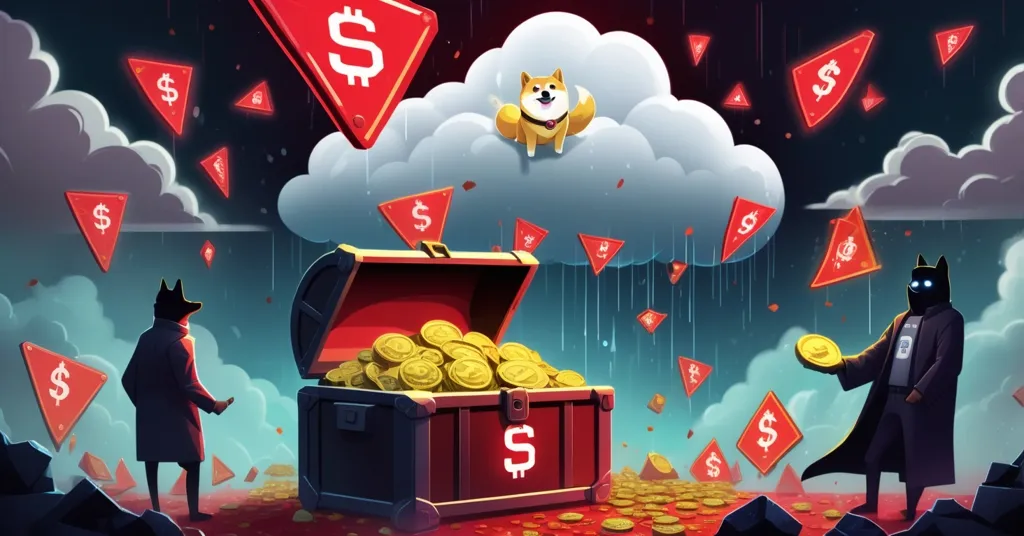
LTB Fleet Mining Review: Dogecoin Cloud Mining Promises $7,777 Daily—Scam or Legit?
Fleet Mining has rolled out a shiny new platform promising effortless Dogecoin riches through cloud mining, touting daily payouts as high as $7,777 with zero hardware hassles. Powered by supposed AI magic, they’re pitching a dream of passive crypto income for everyone from wide-eyed beginners to grizzled hodlers. But is this a groundbreaking way to stack DOGE, or just another trap in the scam-ridden crypto frontier? Let’s dig into the details and separate hype from reality.
- Big Claims: Fleet Mining offers AI-driven Dogecoin cloud mining with daily rewards up to $7,777 via hashrate contracts.
- User Perks: Sign-up bonuses of $15 to $100 and daily login rewards of $0.60 sweeten the deal.
- Warning Signs: Unrealistic returns and zero transparency scream potential fraud in a space notorious for scams.
What’s Dogecoin, and Why Mine It?
Dogecoin, born in 2013 as a meme parody of Bitcoin, has morphed into a cultural phenomenon with a fiercely loyal community. Built on a Litecoin fork, it uses the Scrypt algorithm, which initially made mining more accessible than Bitcoin’s energy-hungry SHA-256 setup. People mine DOGE to earn rewards by validating transactions on its blockchain, often drawn by its low entry barriers and the coin’s viral appeal—think Elon Musk tweets pumping its price overnight. But mining isn’t a free lunch anymore. Rising network difficulty and electricity costs have pushed many toward alternatives like cloud mining, where you rent computing power instead of buying noisy, power-guzzling rigs.
For the uninitiated, traditional mining means setting up hardware (like ASIC machines for Bitcoin or GPUs for Dogecoin) to solve complex puzzles that secure the network. Success nets you crypto rewards—currently around 10,000 DOGE per block, roughly every minute. Cloud mining skips the hardware headache; you pay a company to mine for you in their data centers, splitting the profits. Sounds neat, right? Well, it’s also a breeding ground for scams, which brings us to Fleet Mining’s too-tempting offer.
Fleet Mining’s Bold Pitch: Easy DOGE for All
Fleet Mining claims to revolutionize Dogecoin mining by handling everything—hardware, maintenance, energy costs—in their “professional data centers.” Their hook is simplicity: sign up, pick a hashrate contract (think of it as renting a slice of a supercomputer’s power), and watch daily rewards pile up. They boast AI-driven optimization to boost efficiency and cut downtime, though details on how this wizardry works are frustratingly absent. Their target? Everyone. Newbies intimidated by tech and veterans seeking passive income alike. If you’re curious about getting started, check out more on Fleet Mining’s Dogecoin cloud mining platform.
Here’s a breakdown of their hashrate contracts and promised returns:
- $15 Contract (1 Day, Free Plan): $0.60 daily return.
- $100 Contract (2 Days): $3 daily, total $106.
- $1,200 Contract (10 Days): $16.20 daily, total $1,362.
- $6,000 Contract (20 Days): $96 daily, total $7,920.
- $30,000 Contract (45 Days): $540 daily, total $54,300.
On top of that, new users snag a sign-up bonus between $15 and $100, plus a $0.60 daily login reward just for checking in. Fleet Mining pushes a narrative of “long-term value” over speculative trading, arguing that mining DOGE for steady income beats riding the coin’s wild price swings. It’s a slick pitch, especially for a coin as emotionally charged as Dogecoin, where community vibes often outweigh fundamentals.
Why the Numbers Don’t Add Up
Let’s cut to the chase—Fleet Mining’s promise of “stable daily income” up to $7,777 is pure fantasy. Dogecoin mining isn’t a vending machine spitting out fixed cash. Rewards depend on block finds (10,000 DOGE per block), network difficulty (which adjusts based on miner competition), and DOGE’s market price, which can crater or spike on a whim. At the time of writing, DOGE hovers around $0.10-$0.15. Even if a massive operation snags multiple blocks daily with top-tier hashrate, hitting thousands in consistent daily profit is a pipe dream, let alone for a $30,000 contract.
For perspective, small-scale Dogecoin miners with decent GPU setups might earn a few bucks a day after electricity costs, while industrial operations need millions in infrastructure to scale profits. Fleet’s highest tier ($540 daily on $30,000) implies a 1.8% daily return, or over 650% annualized. Compare that to Bitcoin mining, where even giants like Marathon Digital report profit margins that fluctuate wildly with market conditions. Dogecoin’s lower market cap and reward structure make Fleet’s numbers not just optimistic—they’re outright laughable. That’s enough to buy a luxury car monthly. Smells like snake oil, doesn’t it?
Red Flags Waving High: Transparency and Scam History
Beyond the absurd returns, Fleet Mining offers zero proof of their operations. Where are these “professional data centers”? Who owns them? How does their AI actually optimize mining—by dynamically switching pools, predicting difficulty, or just sounding cool on a landing page? No answers. This opacity is a glaring warning sign in a crypto space already scarred by fraud. Cloud mining scams follow a tired playbook: dazzle with big promises, fake earnings on a dashboard, then vanish with your cash. Remember HashOcean in 2016, which disappeared with millions, or BitConnect’s infamous Ponzi collapse in 2018? Fleet’s model fits the mold—big upfront investments, guaranteed returns, and no verifiable mining activity.
Dogecoin’s community ethos makes it a prime target for such schemes. Its fans, often newer to crypto, are drawn by memes and hype, not deep tech knowledge. Fleet’s $15 “free plan” and bonuses are classic bait to hook the curious before upselling pricier contracts. Without third-party audits or blockchain evidence of mining (like public pool contributions), this could easily be a house of cards redistributing new user deposits as “rewards” until it implodes. We’re all for disruptive tech and effective accelerationism, but not when it’s a damn smoke screen for fleecing people.
Protecting Yourself in the Crypto Wild West
If Fleet Mining’s pitch tempts you, hit the brakes and do some digging. Start by demanding proof—check if their mining activity shows up on Dogecoin blockchain explorers like Dogechain.info for pool contributions. Look up their website’s Whois data for registration details; fly-by-night scams often hide behind anonymous domains. Scour forums like Reddit’s r/dogecoin or r/cryptocurrency for user experiences outside their curated reviews. If they dodge questions or pressure quick deposits, run. Safer ways to earn passive income with DOGE exist, like staking alternatives (if supported) or yield farming on decentralized exchanges, though those carry risks too. Never invest what you can’t lose—crypto isn’t a charity.
As Bitcoin maximalists at heart, we believe in sound, verifiable systems. Altcoins like Dogecoin carve out niches—memes, microtransactions, sheer fun—but they don’t excuse shady middlemen. True decentralization empowers users, not preys on trust. If cloud mining is to have a future, it needs transparency, not empty hype.
Broader Implications for Crypto and Decentralization
If Fleet Mining were legit, it could nudge mining toward accessibility, letting everyday folks join the Dogecoin ecosystem without tech barriers. Lowering entry points aligns with the decentralized ethos we champion—disrupting financial gatekeepers and giving power back to individuals. Bitcoin remains king for sound money, but platforms like Ethereum show how varied blockchains fill unique gaps. Dogecoin’s role as a cultural touchstone could grow if mining became truly democratized.
Yet scams like this (or potential scams, to be fair) erode trust in the space. Every fleeced investor is a setback for adoption, reinforcing narratives that crypto is a Wild West of fraud. We’re rooting for innovation—think Lightning Network scaling Bitcoin or smart contracts on Ethereum—but not at the cost of integrity. The blockchain revolution thrives on freedom and privacy, not exploiting the hopeful with unattainable promises.
Key Takeaways and Questions on Fleet Mining and Dogecoin Cloud Mining
- What is Fleet Mining, and how does it claim to work?
Fleet Mining offers Dogecoin cloud mining, renting out hashrate via contracts from $15 to $30,000 for daily rewards, using AI-optimized data centers without users needing hardware. - Are Fleet Mining’s promised returns, like $7,777 daily, realistic?
No, they’re wildly unrealistic given Dogecoin’s mining economics, market volatility, and reward structure—such figures scream potential scam. - Is Fleet Mining suitable for beginners in crypto?
It’s marketed as user-friendly with bonuses ($15-$100) and no tech know-how needed, but newcomers must beware hidden risks and lack of proof. - What are the biggest risks with cloud mining platforms like Fleet Mining?
Major risks include unverifiable operations, lack of transparency, and the high chance of Ponzi schemes or outright fraud, common in this sector. - How can I verify if a cloud mining platform is legitimate?
Check for mining activity on blockchain explorers, investigate company registration via Whois data, and seek unbiased user feedback on forums like Reddit. - What are safer ways to earn passive income with Dogecoin or crypto?
Explore staking (if available), yield farming on decentralized exchanges, or holding in secure wallets, though all carry some risk—research thoroughly. - How does this tie to the broader decentralization movement?
Legitimate cloud mining could democratize access to crypto ecosystems like Dogecoin, but scams undermine trust and hinder the push for financial freedom.
The allure of effortless Dogecoin through Fleet Mining taps into a deep desire for financial shortcuts in crypto’s chaotic realm. But this space isn’t a fairy tale—it’s a gritty fight between groundbreaking ideas and ruthless deception. Fleet might be a sincere stab at accessible mining, or it could be the latest predator banking on FOMO. As fierce advocates for Bitcoin and blockchain’s potential to upend the status quo, we urge ruthless skepticism. Question every claim, dig for proof, and guard your wallet like it’s Fort Knox. The only sure thing in crypto is the hard-earned lesson—don’t let it be at your expense.