
Khamenei’s Death Triggers 700% Crypto Outflow Surge from Iran’s Nobitex Exchange
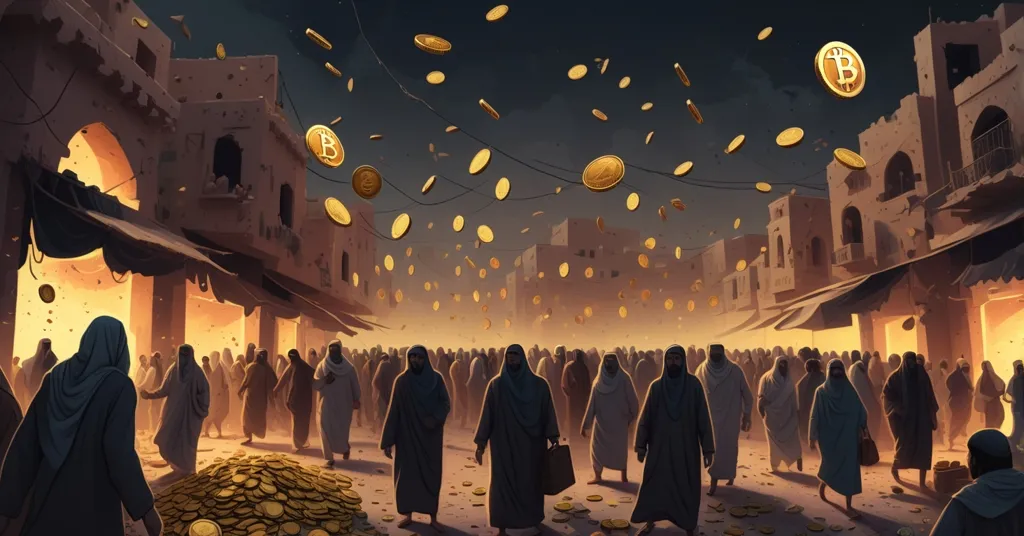
 LTB
LTB Khamenei’s Death Ignites 700% Crypto Outflow Surge as Iranians Scramble for Safety
A seismic shift has gripped Iran following the death of Supreme Leader Ayatollah Khamenei, with cryptocurrency outflows from Nobitex, the nation’s largest exchange, soaring by a staggering 700%. As millions of Iranians rush to protect their savings from a crumbling rial and looming government crackdowns, this digital exodus underscores cryptocurrency’s raw potential as a financial lifeline—and exposes its glaring vulnerabilities in times of crisis.
- Explosive Outflows: Nobitex saw a 700% spike in crypto withdrawals post-Khamenei’s death, according to blockchain analytics firm Elliptic.
- Internet Blackout: A government-enforced 99% connectivity drop stranded traders, blocking access to exchanges and halting trades.
- Economic Terror: Fears of a rial collapse and financial system lockdowns drove users to non-custodial wallets and foreign platforms.
The Catalyst: Khamenei’s Death and a Nation on Edge
The news of Ayatollah Khamenei’s death hit Iran like a thunderbolt. As the cornerstone of the country’s theocratic regime, his passing—reportedly due to strikes—unleashed a torrent of political and economic uncertainty. For ordinary citizens, the stakes couldn’t be higher. The Iranian rial, already battered by years of sanctions and hyperinflation, faced the threat of yet another nosedive. Savings that took decades to build could be wiped out overnight if banks were shuttered or capital controls imposed by a regime in disarray. For deeper insights into this crisis, check out the report on Khamenei’s passing and its impact on crypto outflows.
In this climate of dread, cryptocurrency emerged as a beacon of hope. Nobitex, Iran’s leading crypto exchange with nearly 11 million accounts in a population of 85 million, became ground zero for a mass financial evacuation. Data from Elliptic reveals that users scrambled to move their assets into non-custodial wallets—essentially personal digital vaults where you alone control access—or to international platforms out of reach of local authorities. This isn’t just about chasing profits; it’s about survival in a nation where the traditional financial system is a house of cards.
Iran’s Economic Nightmare: Why Crypto Matters
To understand why Iranians are flocking to digital assets, you have to grapple with the sheer scale of their economic despair. International sanctions, particularly from the U.S., have severed Iran from global banking networks like SWIFT since 2018, making foreign trade and currency access a pipe dream for most. The rial has lost over 90% of its value in the past decade, with street exchange rates often hitting hundreds of thousands of rials per U.S. dollar. Inflation, frequently surpassing 50% annually, turns everyday purchases into a gamble—bread today could cost double tomorrow. Official unemployment hovers near 10%, though many suspect the real number is far grimmer.
Traditional safe havens like gold or black-market dollars are out of reach for many, leaving crypto as a viable alternative. Bitcoin, Ethereum, and stablecoins like Tether (USDT) offer a way to store value beyond the grasp of a failing fiat system and bypass sanctions to access global markets. Elliptic points out that Nobitex has witnessed similar outflow surges during previous unrest, such as the January 9 protests amid yet another internet blackout. This isn’t a fluke; it’s a recurring act of defiance against a regime and economy that have failed the people.
The Rush: Nobitex Struggles Under Pressure
Nobitex, launched in 2017 and commanding roughly 85% of Iran’s crypto market, was thrust into the spotlight as outflows exploded by 700% in the wake of Khamenei’s death. Blockchain trackers at Arkham Intelligence noted initial withdrawals in the low millions of dollars—a modest sum globally, but likely just the beginning before disruptions kicked in. Users weren’t merely selling; they were fleeing to safer ground. Many opted for self-custody, securing their Bitcoin or altcoins in private wallets, while others funneled funds to foreign exchanges to trade or convert assets before the rial could plummet further.
But the platform buckled under the strain. Liquidity dried up as sell orders overwhelmed the system, and transaction delays ballooned into hours. For a hub processing millions of trades, this was a brutal stress test, and Nobitex barely scraped by. Then came the regime’s next blow—a move so predictable it’s almost laughable, if the consequences weren’t so dire.
The Clampdown: Internet Vanishes, Traders Trapped
In a textbook display of authoritarian control, Iran’s government obliterated nationwide internet traffic by 99%. No heads-up, no mercy—just a digital iron curtain slamming shut. Traders found themselves cut off, unable to log into accounts, execute trades, or access the very tools they counted on for financial escape. Major exchanges like Nobitex and Wallex.ir turned into virtual ghost towns. Wallex pinned the blame on a power outage at Asiatech, a critical data center hosting both platforms, while Nobitex admitted to sluggish operations and thinner markets. Another exchange, Tabdeal, capped withdrawals at twice daily with delays stretching up to 24 hours. It was a chokehold on digital freedom.
For those unfamiliar with crypto trading, much of it hinges on APIs—think of them as digital conduits that let trading bots or apps interact with exchanges in real time. When the internet vanished, those lifelines snapped. Even outgoing transfers from Nobitex’s Ethereum address stalled, though some activity persisted on the TON Network, known for its faster, lighter transactions. The lesson here is brutal: even decentralized tech can be kneecapped by state interference when physical infrastructure is weaponized.
Crypto’s Ugly Side: A Public Ledger in a Repressive State
Here’s the kicker—cryptocurrency isn’t the flawless escape it might seem. Most blockchains, like Bitcoin and Ethereum, are public by nature. Every transaction, every wallet address—it’s all out there for anyone with the right tools to see, tools like Chainalysis or Crystal Blockchain, which governments and global watchdogs use to track illicit flows. For Iranians, this isn’t just a technical footnote; it’s a potential death sentence. In a regime where dissent can land you behind bars, exposing your financial moves is like waving a red flag at a bull. Crypto liberates you from rigged banking systems, sure, but it also lays your life bare for surveillance.
Some turn to privacy-focused options—coins like Monero, which obscure transaction details, or mixing services that scramble the trail. But these aren’t silver bullets. They’re often less liquid, sit in legal gray zones, and still aren’t immune to determined trackers. While initial outflows after Khamenei’s death were in the low millions, per Elliptic, the internet blackout likely masked a far larger exodus. What we’re witnessing is just the surface of a deeper, more desperate flight.
Devil’s Advocate: Bitcoin Isn’t the Sole Savior
As someone who often leans Bitcoin maximalist, I’ll die on the hill that BTC is the ultimate censorship-resistant money. But let’s not kid ourselves into thinking it’s the only player in a crisis like this. Other blockchains and altcoins fill crucial gaps that Bitcoin, by design, doesn’t always prioritize. Ethereum’s smart contracts enable decentralized finance (DeFi) tools—think lending or borrowing without a middleman—which can be a godsend when banks collapse. The TON Network, as seen with Nobitex’s lingering transactions, offers speed for urgent moves. Stablecoins tied to the dollar provide a less volatile shelter than Bitcoin’s wild price swings. This isn’t a betrayal of the orange coin; it’s a nod to the reality that the decentralized ecosystem’s strength lies in its variety, especially in high-pressure situations like Iran’s implosion.
The Wider Lens: A Global Wake-Up Call
Iran’s crypto boom isn’t just a local tragedy—it’s a warning flare. Other sanctioned nations, like Venezuela with its 1,000,000% hyperinflation in 2018 or Syria amid war and isolation, have seen parallel spikes in digital asset adoption. Reports suggest even North Korea mines Bitcoin to bankroll state operations. These trends hint at crypto’s growing role as a financial backdoor for oppressed populations. But there’s a catch: every surge like this draws sharper scrutiny. Bodies like the Financial Action Task Force (FATF) are clamping down on exchanges handling funds from sanctioned regions, and global powers could push for even tighter nooses if crypto becomes a widespread workaround for embargoes.
This saga is a stark reminder of why decentralization matters. Bitcoin’s core vision—money unbound by borders or state overreach—burns bright in Iran’s chaos. Yet, the harsh truth of surveillance risks, infrastructure reliance, and geopolitical games shows that true financial freedom is still a battle. If we’re committed to accelerating this revolution, we’ve got to face these ugly realities head-on, no fluff, no bullshit. Iran’s story is both a triumph and a cautionary tale for the crypto world, and we’d be fools to ignore either side.
Key Takeaways and Questions
- What sparked the 700% surge in crypto outflows from Iran?
The death of Ayatollah Khamenei unleashed panic over a potential rial collapse and banking lockdowns, driving millions to pull funds from Nobitex. - How did the internet blackout cripple Iranian crypto traders?
A 99% connectivity crash blocked account access, stopped automated trading via APIs, and paralyzed exchanges like Nobitex and Wallex.ir. - Why do Iranians lean on cryptocurrency during crises?
Sanctions cut off their banking system, and inflation obliterates savings, making Bitcoin and other digital assets a critical way to protect wealth and dodge state control. - What privacy dangers lurk for crypto users in Iran?
Blockchain’s open ledger lays bare transactions to surveillance by authorities or global trackers, a massive risk in oppressive regimes. - How can Iranians shield themselves from crypto surveillance?
Privacy coins like Monero or mixing services offer some cover, but they’re imperfect, illiquid, and often legally murky. - Could this crypto trend ripple to other sanctioned nations?
Economic crises in places like Venezuela or Syria might fuel broader crypto adoption, likely intensifying global regulatory pushback.