Middle East Unrest Cancels Crypto Events and F1 Races, Hits Bitcoin Momentum Hard
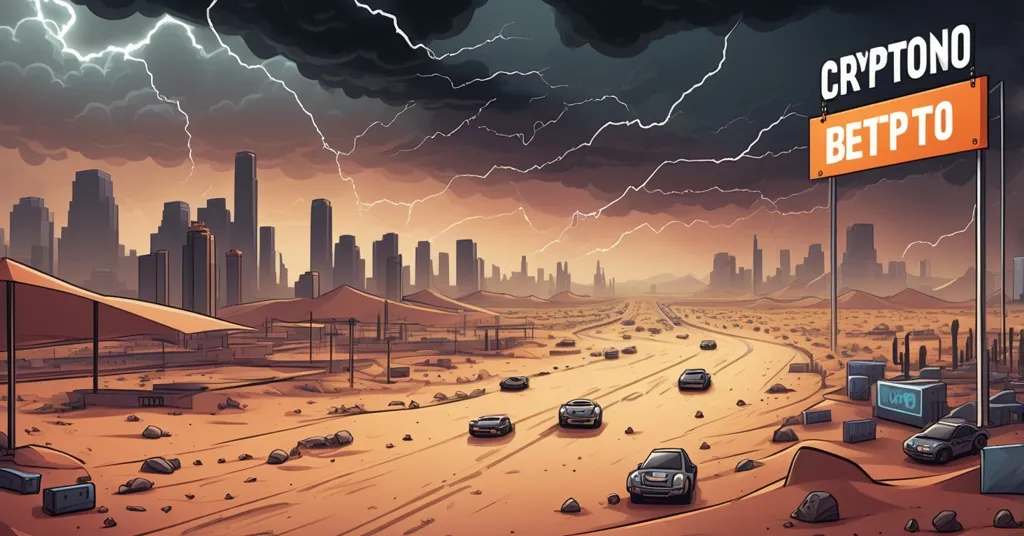
 LTB
LTB Middle East Conflict Halts Crypto Conferences and F1 Races: A Blow to Bitcoin and Blockchain Momentum
Geopolitical unrest in the Middle East has delivered a harsh blow to global industries, forcing the cancellation or postponement of major cryptocurrency conferences and Formula 1 races. Events like TOKEN2049 Dubai and the Bahrain Grand Prix are on hold, exposing the vulnerability of even the most borderless technologies like Bitcoin and blockchain to real-world chaos. This turmoil tests the resilience of the crypto space and its push for mainstream credibility. For more details on the impact, check out this report on the Middle East conflict’s effect on crypto events and F1 races.
- TOKEN2049 Dubai postponed to April 21–22, 2027, over safety and travel concerns.
- TON Gateway Dubai canceled, with full refunds due to security risks.
- F1 races in Bahrain and Saudi Arabia likely canceled, hitting crypto sponsorships hard.
Crypto Conferences Grind to a Halt
The Middle East, particularly Dubai, has become a cornerstone for cryptocurrency and blockchain innovation, thanks to progressive regulations and a knack for attracting global talent. TOKEN2049 Dubai, a flagship event drawing over 15,000 attendees yearly, is a prime example. It’s the Super Bowl of crypto—where deals are struck, projects unveiled, and the future of digital assets takes shape. But the ongoing turmoil has forced organizers to push the event to 2027, citing safety risks, travel bans, and logistical nightmares. Tickets remain valid for the new date, but let’s be real: a three-year delay is a kick in the teeth for an industry that thrives on speed and momentum. The economic ripple effect on Dubai—think lost hotel bookings, venue revenue, and local business—is likely in the millions, though exact figures remain speculative.
Similarly, TON Gateway Dubai, set for early May, has been outright canceled. This event was meant to spotlight The Open Network (TON), a layer-1 blockchain designed for speed and scalability. For the uninitiated, a layer-1 blockchain is the foundational network—think of it as the base structure of a building where other apps and services are built on top. TON, originally linked to Telegram before becoming community-driven, powers decentralized applications (dApps) with low-cost, fast transactions, often integrated into Telegram mini-apps. Losing this showcase stings, especially for altcoin ecosystems trying to carve out niches that Bitcoin doesn’t fill. Organizers are issuing full refunds, which is a nice gesture, but good luck refunding the lost hype and partnerships. This raises a pressing concern: what’s the immediate damage to crypto from this unrest? The answer is brutal—missed networking, stalled innovation, and a dent in the Middle East’s momentum for blockchain adoption.
F1 Sponsorships Take a Brutal Hit
Formula 1, the motorsport giant with a global audience of over one billion viewers, isn’t spared either. The Bahrain Grand Prix on April 12 and the Saudi Arabian Grand Prix on April 19 are expected to be canceled due to military threats, compromised airspace, and travel chaos. Races in Qatar and Abu Dhabi are still on the docket but under tight scrutiny by the FIA, the sport’s governing body. This isn’t just bad news for racing fans; it’s a financial disaster for crypto firms that have bet big on F1 branding.
Heavyweights like OKX, Crypto.com, Bybit, Kraken, Coinbase, and Binance have shelled out hundreds of millions for logos on cars, tracks, and team gear. Crypto.com alone reportedly dropped $100 million over five years for F1 visibility. With races axed, they’re left with a geopolitical middle finger instead of mainstream exposure. How do these cancellations hurt crypto sponsorships specifically? Simple—they slash access to F1’s massive audience, wiping out a chunk of branding ROI and slowing the industry’s push for public trust at a time when every win counts.
Dubai’s Reputation as a Web3 Hub at Risk
Dubai has spent years crafting its image as a safe haven for innovation, especially in the digital asset space. With blockchain-friendly policies, tax perks, and state-backed initiatives, it’s a magnet for Web3 startups—companies building decentralized internet services that aim to give users control over their data and money. Events like TOKEN2049 and Middle East Energy Dubai cement its status as a global hub. But the current unrest has led to widespread postponements, including Affiliate World Global, exposing the city’s vulnerability to regional instability.
Why is Dubai taking such a hard hit? As a leading center for cryptocurrency and Web3, its role in hosting high-profile gatherings makes it a prime target for disruption. These cancellations threaten its image as a stable destination for international business, potentially shaking investor confidence. For a region aiming to lead in blockchain adoption, this is a serious setback. Long-term, could this chaos stall crypto growth in the Middle East? Absolutely—delayed events slow partnerships, and ongoing tension might make global players hesitant to engage with the market.
Decentralization Faces a Real-World Test
Bitcoin and blockchain were born from a vision of sidestepping centralized control and systemic fragility, yet here we are, watching physical borders and military threats dictate the pace of progress. It’s a bitter irony that even the most futuristic tech must grapple with old-school problems like war. But let’s play devil’s advocate: could this mess push the crypto space to adapt in ways that make it stronger? Virtual events or alternative hubs like Singapore or Lisbon might step up. During the 2020 pandemic, online crypto summits proved viable for some, though they lacked the raw energy of in-person handshakes. Organizers could explore VR conferences or blockchain-based virtual meetups to keep the conversation going.
Still, let’s not kid ourselves—a Zoom call in your pajamas can’t replicate the buzz of a packed hall in Dubai’s desert heat. Relocation also comes with caveats; few places match the UAE’s blend of infrastructure and regulatory welcome. Are there viable workarounds for hosting these events amid unrest? Sure, virtual formats or safer regions are options, but they’re unlikely to pack the same punch as Dubai’s ecosystem, though desperate times might force organizers to experiment if tensions drag on.
Here’s where Bitcoin shines. While altcoin ecosystems like TON suffer from canceled showcases, Bitcoin’s network keeps humming—unaffected by tanks or travel bans. It’s a reminder of why it remains the king of decentralization, a borderless store of value that doesn’t care about geopolitics. Perhaps this crisis could nudge the industry back to BTC’s core promise as a safe haven, even as altcoins fill their unique niches.
The Dark Side: Scammers Smell Blood
Where there’s chaos, there are vultures. Event cancellations open the door for scammers to exploit confusion with fake refund schemes, phishing emails, or fraudulent ticket resales. We’ve seen it before—when plans go awry, bad actors pounce on unsuspecting attendees or investors. Our stance is clear: zero tolerance for fraud. If you’re a ticketholder for TON Gateway or TOKEN2049, stick to official channels for updates and refunds. Ignore any unsolicited messages promising quick cash or “exclusive deals.” This unrest is already a headache for crypto; don’t let some lowlife make it worse.
This also underscores a grim reality—geopolitical setbacks aren’t just logistical. They’re a breeding ground for the kind of sleaze that gives crypto a bad name. If the industry wants mainstream respect, it needs to double down on protecting users during crises like this, not just preaching decentralization while scammers run rampant.
What This Means for You
Whether you’re a casual Bitcoin fan, a hardcore developer, or an investor eyeing the next big thing, this unrest has implications. For newcomers, think of TOKEN2049 as crypto’s big stage—missing it delays the whole show, potentially slowing the rollout of tech you might use someday. Investors, watch how this impacts market sentiment; reduced visibility from F1 sponsorships could dampen short-term hype for sponsored coins. Developers in altcoin spaces like TON, brace for slower onboarding of talent and funding as events vanish. And for Bitcoin OGs, this is your reminder: while physical hubs falter, BTC’s network doesn’t skip a beat—maybe it’s time to refocus on what makes it unstoppable.
Key Takeaways and Questions to Ponder
- What’s the immediate damage to the crypto industry from Middle East unrest?
Postponements like TOKEN2049 Dubai to 2027 and cancellations like TON Gateway disrupt networking, stall innovation showcases, and hurt regional blockchain adoption, while F1 race cancellations slash visibility for sponsors like Binance. - How do F1 cancellations hurt crypto sponsorships specifically?
Firms lose exposure to F1’s billion-strong audience, undermining massive branding investments and risking financial losses as key races like Bahrain and Saudi Arabia get shelved. - Why is Dubai taking such a hard hit from these setbacks?
As a top hub for digital assets and Web3, Dubai’s reliance on high-profile events makes it vulnerable; cancellations threaten its reputation as a stable center for global crypto business. - Could there be lasting consequences for crypto growth in the Middle East?
Definitely—delayed gatherings slow partnerships and adoption, while persistent instability might deter international investors from engaging with the region’s markets. - Are there viable alternatives for hosting these events during the turmoil?
Virtual formats or relocation to safer spots like Singapore are possible, but they can’t fully match the impact of in-person events in a powerhouse like Dubai, though organizers might test these if tensions persist.
A Call to Accelerate Through the Chaos
This mess is a stark wake-up call for the crypto community. If Bitcoin and blockchain are to disrupt the status quo, they must prove their mettle in crises like this. It’s time for effective acceleration—innovate faster, build decentralized event platforms, and push harder for adoption even when the world burns. Imagine a future where conferences run on blockchain-based virtual spaces, untouchable by travel bans or military strikes. It’s not just a pipe dream; it’s a necessity. For now, the Middle East’s turmoil tests our resilience. But if crypto is truly about freedom and privacy, let’s use this as fuel to build systems that no war can stall. Bitcoin doesn’t wait for peace—neither should we.