RaveGods NFTs: Elite Digital Status or Another Solana Hype Trap?
 LTB
LTB RaveGods NFTs: Digital Status for the Elite or Another NFT Mirage?
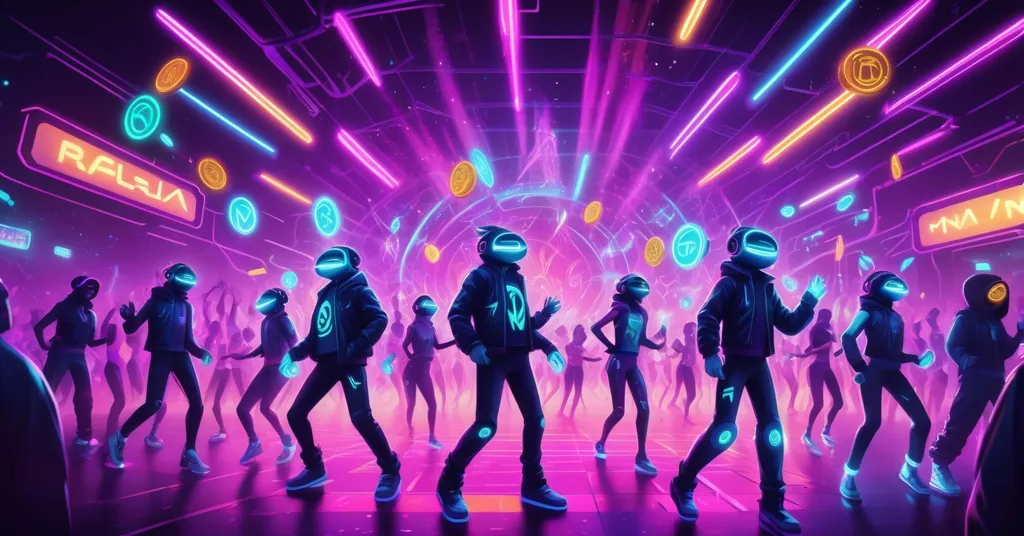
RaveGods, a new NFT project on the Solana blockchain, is making waves by merging the pulsating energy of rave culture with digital ownership, promising holders a slice of nightlife glory through unique digital assets. Positioned as a cultural movement, it offers real-world perks like VIP event access and profit sharing, but can it deliver in a space littered with broken promises?
- Core Idea: RaveGods is a 1,000-piece NFT collection on Solana, tying rave culture to blockchain tech.
- Holder Perks: Profit sharing, voting rights, and exclusive benefits like VIP rave access.
- Big Picture: Aims to be a cultural force with PLUR values—Peace, Love, Unity, and Respect—while supporting a native token, RAVE.
The Beat of RaveGods: What’s on Offer?
At its core, RaveGods is a collection of 1,000 one-of-a-kind digital assets, each a unique piece of art reflecting the raw, electric vibe of the rave and house music scene. Hosted on Solana, a blockchain known for its blistering speed and low transaction fees compared to Ethereum’s wallet-gouging gas costs, this project targets a younger, less cashed-up crowd—think ravers who’d rather spend on glow sticks than overpriced network fees. For the uninitiated, NFTs, or Non-Fungible Tokens, are digital items verified on a blockchain, proving ownership of something as intangible as a piece of art or as practical as an event pass. Here, RaveGods NFTs double as both. If you’re curious about how these NFTs are positioned in the market, check out more details on their vision as a status symbol for the digital elite.
The perks are where things get interesting, bridging the gap between virtual flexing and real-world raving. Holders snag 25% of project profits, distributed based on how many NFTs they own—think of it like earning dividends from a stock, only instead of a boring boardroom, you’re banking on packed dance floors. Then there’s voting rights to shape the brand’s future, from picking event venues to influencing art direction. On top of that, you get tangible benefits: VIP access to RaveGods-hosted raves, discounted tickets, priority entry to skip the sweaty lines, exclusive merchandise drops, and a private Discord room to vibe with other digital party elites. It’s like holding a backstage pass to the coolest underground bash, but minted on the blockchain.
The project’s mission pulses with ambition, as they’ve stated:
“RaveGods is more than just a collection of unique NFTs, it is a cultural movement that connects the real-world rave and house music scene with digital art.”
And their community focus is clear in another key statement:
“Our model rewards loyalty and participation, turning community members from passive fans into true stakeholders.”
Rooted in the rave scene’s PLUR ethos—Peace, Love, Unity, and Respect—RaveGods wants to foster a tight-knit tribe. But let’s not get lost in the neon haze just yet. Promising the moon is easy; delivering it in the chaotic NFT space is a whole different beast.
The Promise of Utility: Real-World Perks in a Digital World
Imagine snagging a RaveGods NFT and strutting into a sold-out rave, bypassing the plebs with your VIP access while decked out in exclusive merch. Sounds like a dream for any nightlife junkie, right? This blend of digital ownership with physical experiences is where RaveGods could stand out among the sea of speculative NFT projects. Unlike the early days of NFTs—think overpriced JPEGs with no purpose beyond flipping for a quick buck—projects like this are pushing toward utility. Tying digital assets to real-world value, especially in a passionate niche like rave culture, feels like a natural fit for blockchain’s potential.
Choosing Solana as the backbone makes sense too. With transaction fees often under a dollar, compared to Ethereum’s gas fees that can hit triple digits during peak times, Solana lowers the entry barrier. This is critical for a project targeting ravers, many of whom might be new to crypto or unable to stomach hefty upfront costs just to join the party. Accessibility is key if RaveGods wants to build a broad, engaged community rather than a tiny clique of whale investors.
Moreover, the profit-sharing angle—25% of earnings back to holders—could be a game-changer if the numbers add up. If RaveGods events pack venues and merch flies off the shelves, holders might see a nice little return. Add in voting rights, and you’ve got a taste of Web3’s promise: decentralization where users, not suits, call the shots. For those new to the term, Web3 refers to a vision of the internet built on blockchain tech, prioritizing user ownership and control over centralized gatekeepers. RaveGods seems to embrace this ethos, at least on paper.
The Risks: Hype vs. Reality in the NFT Jungle
Now, let’s cut through the glow stick fog and get real. The NFT space is a cesspool of scams, rug pulls, and shattered dreams. For every success story, there’s a graveyard of projects that hyped big and crashed harder than a raver after a 48-hour bender. RaveGods talks a good game, but profitability is often a mirage in this game. Will events and merch generate enough cash to make that 25% profit share meaningful, or is this just a shiny carrot dangled to lure in buyers? Past music-related NFT flops—like certain artist drops that tanked after the initial mint—remind us that niche appeal doesn’t always translate to sustainable revenue.
Voting rights sound empowering, but I’ve got to play devil’s advocate: will holders have real influence, or is this a token gesture while the core team holds the reins? Transparency is non-negotiable here. Who’s behind RaveGods? Are they doxxed, with verifiable experience in blockchain or nightlife, or are we dealing with anonymous devs who could vanish with the funds? Anonymity in NFTs is a glaring red flag—rug pulls thrive on unaccountable teams. If RaveGods wants to stand above the filth, they need to show their faces or at least their credentials.
Then there’s Solana itself. Sure, it’s cheap and fast, but it’s not bulletproof. The network has stumbled before, with outages like the 17-hour downtime in September 2021 grinding transactions to a halt. Imagine trying to trade your RaveGods NFT or flash it for event access during a network crash—talk about a party killer. While Solana’s scalability is a draw for NFT projects in 2023, especially as Ethereum alternatives gain traction, reliability remains a gamble.
RAVE Token: Fuel for the Ecosystem or Just Hot Air?
RaveGods plans to reinvest profits from real-world events into the NFT collection and their native token, RAVE. For those unfamiliar, a native token is a cryptocurrency tied to a specific project, often used for payments, rewards, or governance within its ecosystem. The idea of a self-sustaining loop—event revenue boosting digital assets and vice versa—has potential. RAVE could, in theory, be used for buying merch, tipping DJs at events, or even staking for extra holder perks. But details are thin on the ground. If RAVE’s purpose is as vague as a club’s dress code, it’s doomed to fail.
Tokenomics—the economic system governing how a token is created, distributed, and valued—matters immensely, and RaveGods hasn’t laid out a clear roadmap. We’ve seen plenty of project tokens flop due to poor design or zero demand. Without concrete utility and a plan to keep value stable, RAVE risks becoming just another worthless altcoin. I’m not here to shill or spit out baseless price predictions—those are pure garbage and a blight on crypto discourse. What matters is whether RAVE can drive genuine engagement or if it’s just a buzzword to spice up the pitch.
Cultural Movement or Clever Marketing?
RaveGods positions itself as more than a money-making scheme—it’s a cultural force echoing the communal spirit of raves. Tapping into PLUR values, it aims to unite a subculture through digital art and shared experiences. But here’s a counterpoint: could this focus on rave exclusivity alienate outsiders? Despite PLUR’s inclusive mantra, branding around a niche like house music might limit broader appeal. If the community feels like a walled garden, it risks stunting growth in a space where mass adoption often spells success.
Stepping back, RaveGods launches amid a shaky NFT market. Trading volumes have plummeted since the 2021 peak—down over 80% in some reports like DappRadar’s—reflecting a shift from blind hype to cautious scrutiny. Launching now means swimming upstream against a tide of burned investors. Can RaveGods defy the downturn by proving real value, or will it join the pile of forgotten “revolutionary” collections? Only time, and their execution, will tell.
A Bitcoin Maximalist’s Take: Innovation Beyond BTC
As someone who often leans toward Bitcoin maximalism, I’ll admit a knee-jerk skepticism of anything not tied to the unbreakable security of BTC. Bitcoin is the gold standard of decentralization—proven, battle-tested, and focused on being sound money, not a playground for cultural experiments. RaveGods, built on Solana with a niche token like RAVE, feels miles removed from Bitcoin’s ethos. And yet, I can’t deny the value of experimentation in the broader blockchain space. Bitcoin doesn’t need to be everything to everyone; it shouldn’t try to fill every niche. Projects like RaveGods, if legit, could showcase blockchain’s potential for identity, community, and experiences—areas BTC wisely avoids. If they succeed without devolving into a greedy cash grab, they might earn a nod of respect, even from hardline BTC purists like me.
Key Questions and Takeaways on RaveGods NFTs
- What is RaveGods, and how does it connect to blockchain technology?
RaveGods is an NFT project on the Solana blockchain with 1,000 unique digital assets, fusing rave culture with digital ownership through perks like profit sharing and event access, embodying Web3’s decentralized spirit. - What benefits do RaveGods NFT holders gain?
Holders get 25% of project profits based on ownership, voting rights to influence the brand, and real-world perks including VIP rave access, ticket discounts, priority entry, and exclusive merchandise. - Can RaveGods build a sustainable model in the NFT space?
Their strategy of reinvesting event profits into NFTs and the RAVE token holds promise, but success hinges on consistent community engagement and dodging the hype-and-dump traps that plague many projects. - Why did RaveGods choose Solana over Ethereum?
Solana’s low fees and high scalability cater to a wider audience compared to Ethereum’s steep gas costs, though network outages pose risks to reliability for NFT trades or event access. - Is RaveGods truly a cultural movement or just a marketing ploy?
While it channels rave culture’s PLUR values and community focus, its narrow niche could limit appeal—transparency and delivery on promises will determine if it’s a lasting force or fleeting trend. - What risks should potential buyers watch for with RaveGods?
Beyond market-wide NFT volatility, risks include unproven profitability, unclear token utility for RAVE, team anonymity, and Solana’s past network issues—invest only what you can afford to lose.
RaveGods is going all-in with a bold mix of digital art, decentralized ownership, and real-world nightlife perks. It’s a breath of fresh air in a space choked with soulless cash grabs, and I’m cheering for any effort that stretches blockchain beyond pure finance. But let’s not kid ourselves—the crypto world chews up dreamers and spits out skeptics. RaveGods could redefine partying in the Web3 era, or it could fizzle faster than a cheap strobe light. Dig into their roadmap, question their claims, and decide for yourself if this is the next big bash or a cautionary tale waiting to drop.