Russia Eyes Siberian Gas Fields in Yakutia for Bitcoin Mining Surge
 LTB
LTB Russia Targets Siberian Gas Fields for Bitcoin and Crypto Mining Boom
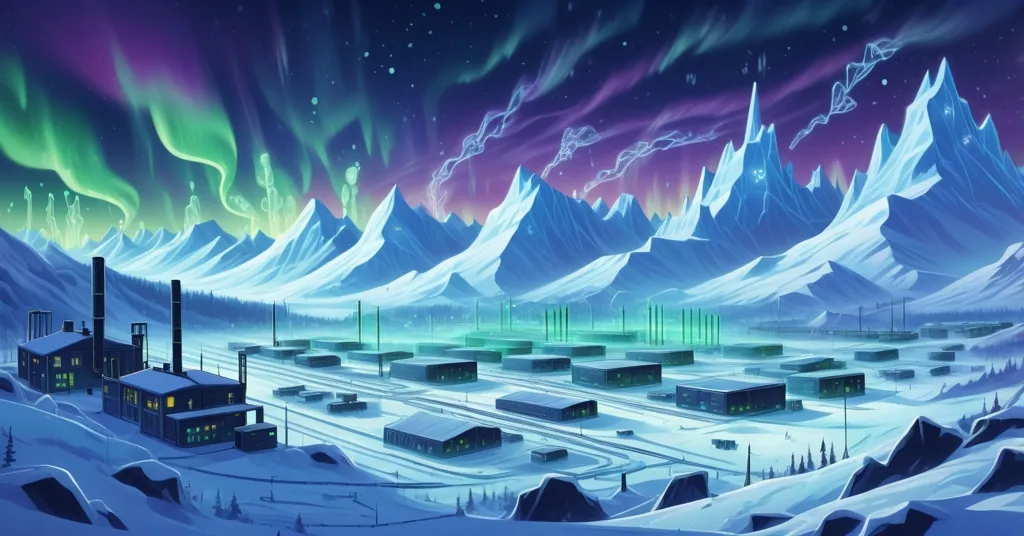
Russia is carving out a new frontier in cryptocurrency mining, zeroing in on Yakutia, a sprawling, ice-bound region in the Russian Far East also known as the Republic of Sakha. Authorities are eyeing the region’s vast natural gas reserves to power Bitcoin and other crypto mining operations, a move that could redefine how surplus energy fuels blockchain innovation in one of the world’s most remote territories.
- Yakutia’s Ulugurskoye and Ergedzheyskoye gas fields are targeted for crypto mining setups.
- Alrosa, the world’s largest diamond miner, partners in this via the Ulugurneftegaz joint venture.
- Russia’s 2024 mining legalization drives this push to leverage remote energy resources.
Yakutia’s Unique Mining Potential
For the uninitiated, crypto mining is the process of using powerful computers to solve complex mathematical puzzles, securing blockchain networks like Bitcoin’s while earning digital currency as a reward. It’s an energy hog, often requiring vast electricity to run and cool the hardware. Enter Yakutia, a region that’s the largest country subdivision by territory globally, spanning millions of square kilometers in Siberia with a population barely scraping a million. Its brutal winters, with temperatures often diving below -50°C, offer a natural cooling advantage—think of it as a free air conditioner for overheating mining rigs, slashing one of the biggest operational costs.
Beyond the cold, Yakutia’s energy wealth is staggering. The Ulugurskoye gas field alone holds an estimated 217.3 billion cubic meters of natural gas across 4,200 square kilometers—enough to rival the reserves of entire nations. The nearby Ergedzheyskoye field adds another 78.3 billion cubic meters to the tally. To put that in perspective, converting even a fraction of this gas to electricity could power countless mining farms for years, making Yakutia a potential jackpot of untapped kilowatts for Bitcoin mining in Russia. The region’s isolation, while a logistical headache, means less competition for this energy, keeping costs dirt cheap compared to global hubs like Texas or Kazakhstan. In fact, recent reports highlight how Russia is considering Siberian gas fields in Yakutia for crypto mining, tapping into these remote resources to fuel blockchain operations.
The Players: Alrosa and Ulugurneftegaz
This isn’t a solo venture. The gas fields are managed by Ulugurneftegaz, a joint operation formed in 2018 between Sakhatransneftegaz (through its subsidiary Lensk-Gaz with a 25% stake) and Alrosa, which holds a commanding 75%. Alrosa isn’t some small-time outfit—it’s the world’s largest diamond mining company by volume, a heavyweight in Russia’s resource sector. But here’s the rub: it’s under international sanctions, a lingering scar from geopolitical tensions, which casts a shadow over this crypto play. Could blockchain be the diamond giant’s shiny new escape hatch from financial pressure? Maybe, but sanctions could snarl partnerships or funding.
Ulugurneftegaz itself isn’t exactly swimming in cash. Recent financial reports show losses, painting this mining pivot as either a desperate Hail Mary or a brilliant reinvention. Tapping gas that’s too remote to export for powering crypto rigs could inject fresh economic blood into the venture, but execution in a frozen, sparsely populated tundra is no small feat. Building mining farms in Yakutia might be like teaching a polar bear to code—possible, but good luck with the logistics.
Russia’s Crypto Mining Strategy
Zooming out, Russia’s embrace of cryptocurrency mining is a sharp policy U-turn. After years of skepticism and crackdowns, the country legalized mining in 2024, eyeing its vast energy resources and frigid climates as a competitive edge in the global blockchain race. The logic is sound: why let unexportable gas or coal sit idle when it can fuel digital gold? But not every corner of Russia is on board. About a dozen regions have banned mining outright, fed up with power deficits caused by miners flocking to areas with rock-bottom electricity rates. Overloaded grids have forced a rethink, pushing officials to redirect operations to energy-surplus zones like Yakutia, the far north, or even depleted oil fields and coal mines in places like Kemerovo Oblast.
“Mining and electricity generation for computing systems are especially relevant for remote areas with local energy resources, like gas and coal, which they are unable to export,” said Aisen Nikolaev, Chairman of the State Council Commission on Energy and Head of the Republic of Sakha.
Nikolaev nails the core idea. Yakutia’s gas, once considered for export through Gazprom’s “Power of Siberia” pipeline, is now being repurposed locally for high-tech industries. Other voices in Moscow echo this. Evgeny Grabchak, Deputy Minister of Energy, has pushed for miners to relocate north to tap excess power at old oil fields, while Aleksey Chekunkov, Head of the Ministry for Development of the Far East and the Arctic, wants to hand unexported fuel to mining firms. It’s a pattern—Russia is scrambling to turn declining industrial relics into crypto cash machines, a pragmatic blend of energy management and tech opportunism.
The Siberian Stumbling Blocks
Before we get swept up in the hype, let’s pump the brakes. Yakutia’s remoteness is a double-edged sword. Sure, there’s no one around to complain about power usage, but good luck building reliable internet or shipping in mining hardware across a frozen wasteland. Infrastructure isn’t just lagging—it’s practically nonexistent in some areas. Then there’s Alrosa’s baggage. Beyond sanctions, Ulugurneftegaz’s red ink raises eyebrows about whether they can pull this off without tripping over their own balance sheets.
Energy consumption is another lightning rod. Bitcoin mining globally guzzles as much power as some small countries, and environmentalists already slam the industry for its carbon footprint. Even with gas over renewables, Yakutia’s rigs could spark backlash if local communities or global watchdogs start sniffing around. Compared to hubs like Iceland, which lean on geothermal energy, or Texas with its mix of cheap gas and wind, Yakutia’s setup might look like a fossil fuel dinosaur. And let’s not forget the geopolitical chessboard—Russia’s mining push is partly a response to shrinking energy exports to Europe and broader isolation. Crypto’s wild price swings make this a damn risky play for a nation already on shaky economic ground.
Decentralization Dream or State Control?
From a Bitcoin maximalist lens, Yakutia could be a win for the king of crypto. Bitcoin mining thrives on raw hashrate power, and cheap Siberian gas could fuel a surge in Russia’s share of the global network, especially post-China’s 2021 crackdown. But let’s not pretend altcoin miners won’t sniff out this deal too—Ethereum’s shift to Proof-of-Stake might’ve cut its energy needs, yet countless other coins still demand juice. Yakutia could host a diverse mining ecosystem, filling niches Bitcoin doesn’t touch, though I’d argue BTC’s dominance in hashrate wars should steer the ship.
Still, there’s a nagging question about decentralization. Mining in remote Siberia screams the ethos of Bitcoin—off-grid, untethered from centralized systems. Yet, with state-backed players like Alrosa in the mix, are we just swapping one form of control for another? Russia’s history of tight reins on industry doesn’t exactly scream “cypherpunk freedom.” If Yakutia’s gas rigs fire up by 2025, they might contribute a hefty slice to global hashrate, potentially shifting power dynamics away from Western hubs. But if Moscow’s fingerprints are all over it, this could be less about disrupting the status quo and more about a new state-controlled crypto fiefdom.
Key Takeaways and Questions
- What fuels Russia’s crypto mining push in Yakutia?
Russia is harnessing vast natural gas reserves and a cold climate for cost-effective mining, spurred by the 2024 legalization to repurpose unexportable energy in remote zones. - Why is Yakutia a hotspot for Bitcoin and crypto mining?
Its freezing temperatures naturally cool mining rigs, while gas fields like Ulugurskoye (217.3 billion cubic meters) and Ergedzheyskoye (78.3 billion cubic meters) promise cheap power despite logistical barriers. - What caused mining bans elsewhere in Russia?
Cheap electricity drew miners to certain regions, overloading grids and triggering power deficits, leading to bans in about a dozen areas and a pivot to energy-rich spots like Yakutia. - How does Alrosa shape Yakutia’s mining future?
As the top diamond miner with a 75% stake in Ulugurneftegaz, Alrosa brings clout and resources, but its sanctions and financial losses add layers of risk to the project. - What’s Russia’s broader vision for blockchain energy solutions?
The strategy is to channel surplus energy from gas, coal, and old industrial sites into mining, revitalizing declining economies while managing grid stability and embracing tech innovation.
Yakutia’s gas-powered mining gamble is a bold experiment, fusing old-school energy with cutting-edge blockchain tech. If it works, Russia could cement itself as a crypto powerhouse, solving domestic energy puzzles while riding Bitcoin’s disruptive wave. But the path is riddled with ice-cold challenges—logistical nightmares, environmental blowback, and political undertones that could chill the whole operation. Will Siberia’s frozen plains fuel a decentralized future, or just another state-orchestrated cash grab? For now, the tundra is heating up as a battleground for crypto’s next big leap.