Tether Invests $81.6M in Italian Robotics Firm, Expands Crypto’s Real-World Impact
 LTB
LTB Tether’s $81.6 Million Bet on Italian Robotics Firm Generative Bionics Signals Crypto’s Real-World Ambitions
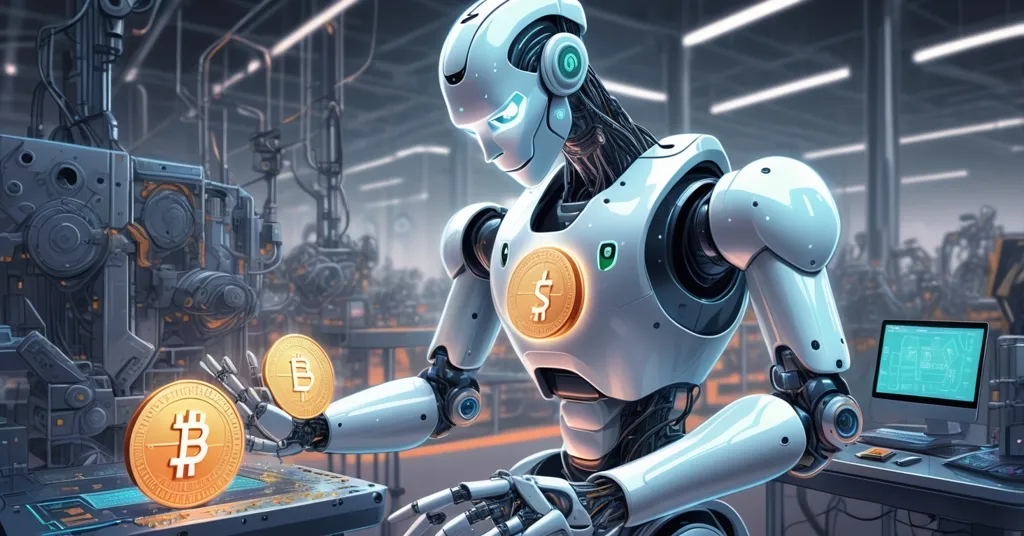
Tether, the powerhouse behind the USDT stablecoin, has dropped a staggering $81.6 million (€70 million) into Generative Bionics, an Italian startup at the cutting edge of humanoid robotics. This audacious move, part of a funding round led by CDP Venture Capital, marks a significant pivot for a crypto giant eager to flex its financial muscle beyond digital currencies and into transformative tech.
- Major Investment: Tether injects $81.6 million into Generative Bionics for humanoid robotics development.
- Strategic Diversification: Tether expands into AI, robotics, commodities lending, and brain-computer interfaces.
- Industrial Innovation: Generative Bionics aims to revolutionize manufacturing and logistics, with a debut at CES Las Vegas.
Tether’s Robotics Gamble: Unpacking Generative Bionics
Let’s get to the nuts and bolts of this deal. Generative Bionics is not just another tech startup; it’s an Italian outfit collaborating with the prestigious Italian Institute of Technology to build humanoid robots tailored for industrial use. These aren’t the clunky bots of yesteryear. They’re being designed with advanced artificial intelligence (AI) to think and adapt, tactile sensing to handle objects with near-human precision, and the ability to interact seamlessly with human workers. Picture a warehouse where robots don’t just move boxes but learn new tasks on the fly and respond to unexpected challenges—that’s the vision here. For more details on this massive investment, check out the report on Tether’s $81.6 million stake in Generative Bionics.
The startup is gearing up to unveil its first fully operational prototype at CES in Las Vegas this January, a global stage where tech breakthroughs are made or broken. While specifics about the prototype remain under wraps, the promise is tantalizing: robots that could slash costs and boost safety in sectors like manufacturing and logistics. But let’s not sip the kool-aid just yet—robotics is a field notorious for overpromising and underdelivering. Will Generative Bionics bring substance to CES, or just a shiny demo that fizzles out? Tether’s hefty stake, alongside investors like AMD Ventures and Italy’s government-backed CDP Venture Capital, suggests they’re banking on the former.
Why Robotics? Tether’s Blockchain-Backed Diversification
Tether, based in the crypto-friendly enclave of El Salvador, isn’t content with just dominating the stablecoin market. For those new to the game, a stablecoin like USDT is a cryptocurrency pegged to a fiat currency—here, the US dollar—to keep its value steady amidst the wild swings of Bitcoin and other digital assets. With nearly $200 billion in reserves, mostly in cash and short-term US government bonds, Tether is projecting a jaw-dropping $15 billion profit in 2023, fueled by high interest rates. That’s a war chest most companies can only dream of, and Tether is using it to rewrite its playbook.
Under CEO Paolo Ardoino, Tether’s strategy is clear: don’t put all your eggs in the volatile crypto basket. Investing in robotics—and specifically in Generative Bionics—positions Tether at the intersection of blockchain capital and physical AI systems. Could there be a deeper synergy here? Imagine decentralized networks securing robot data or smart contracts automating industrial tasks—blockchain tech could, in theory, amplify the impact of these machines. While it’s speculative, Tether’s move hints at a future where crypto isn’t just digital money but a backbone for real-world innovation. Still, skeptics might argue this is more about image than integration—after all, Tether’s core expertise is finance, not factory floors.
Beyond Robots: Commodities Lending and Brain-Tech Ventures
While robotics grabs headlines, Tether’s ambitions span far wider. They’re diving into commodities lending, targeting markets like oil, cotton, and wheat. Recently, the company announced plans to issue loans in both USD and USDT, with traders already extending $1.5 billion in credit to these sectors. As Ardoino put it:
“By using USDT for loans, Tether can also tap into a digital currency that is gaining popularity in commodity-exporting areas such as Latin America.”
This is a shrewd play. In regions where local currencies are as stable as a house of cards, USDT offers a reliable alternative for trade finance. A farmer in Latin America could secure a loan in USDT to buy equipment without fearing their local peso will tank by morning. Yet, Tether is a minnow compared to global banking giants, and stepping into this arena invites fierce competition and regulatory headaches. Can they carve out a niche, or will they get crushed by the old guard?
Then there’s the downright futuristic: brain-computer interfaces (BCI) through investments in Blackrock Neurotech. BCI tech connects the human brain to machines, potentially allowing neural signals to control prosthetics or software. Add to that ventures in sports and other AI projects, and Tether is painting itself as a fintech titan with no limits. But diversification isn’t just about opportunity—it’s a hedge. With crypto markets prone to turbulence and Tether’s own history of scrutiny, spreading bets across industries might cushion the blow if the stablecoin business hits rough waters.
Risks and Skepticism: Can Tether Really Play in These Leagues?
Let’s not sugarcoat it—Tether’s got baggage. The company has faced relentless criticism over the transparency of its USDT reserves, culminating in a 2021 settlement with the New York Attorney General for misleading claims about its backing. Pumping billions into uncharted territories like robotics and BCI could either be a masterstroke or a disaster waiting to happen. Tether’s got deep pockets, sure, but robotics isn’t a crypto exchange—can they navigate a field where even tech titans have stumbled?
Operational complexity is just the start. Each new sector brings fresh regulatory scrutiny, and Tether’s already on thin ice in many jurisdictions. If Generative Bionics flops—or if commodities lending draws the ire of financial watchdogs—Tether risks financial losses and reputational damage. And let’s ask the hard question: is Tether spreading itself too thin when the crypto world still debates the stability of its dollar peg? Focusing on USDT’s integrity might matter more than chasing sci-fi dreams. On the flip side, if these gambles pay off, Tether could redefine what crypto capital can achieve, proving blockchain profits can fuel tangible progress.
Europe’s Role and Global Implications
Italy’s emergence as a hub for AI and automation adds geopolitical spice to this story. Through entities like the Italian Institute of Technology and government-supported funds such as CDP Venture Capital’s Artificial Intelligence Fund, the country is staking a claim in the global tech race. Tether’s investment aligns with this push, potentially fostering tighter links between crypto wealth and traditional innovation centers. Europe’s broader AI landscape, shaped by policies like the EU AI Act aiming to regulate high-risk systems, underscores the stakes—Generative Bionics’ robots will need to navigate both technical and legal hurdles.
Meanwhile, Tether’s base in El Salvador, a nation that’s embraced Bitcoin as legal tender, offers a strategic edge. Operating from a jurisdiction with lighter regulatory oversight compared to the US or EU lets Tether experiment with less friction. This duality—tapping European expertise while leveraging a crypto-friendly home—positions Tether uniquely, but it also amplifies the tightrope they walk between innovation and accountability.
Key Questions on Tether’s Robotics and Diversification Moves
- What does Tether’s investment in Generative Bionics mean for crypto’s role in real-world tech?
It highlights how blockchain profits can fund groundbreaking fields like robotics, potentially boosting mainstream acceptance of crypto as a legitimate capital source. - Is Tether’s diversification a strength or a vulnerability for its stablecoin focus?
It might shield Tether from crypto volatility, but juggling unrelated industries risks missteps and distracts from ensuring USDT’s stability. - How could USDT loans in commodities markets shape global trade?
USDT could become a vital tool for trade finance in unstable regions, though it faces tough competition from traditional banks and regulatory barriers. - Will Generative Bionics’ humanoid robots transform industrial sectors?
The potential to automate complex, dangerous tasks is huge, but success depends on overcoming technical challenges and proving cost-effectiveness at scale. - Should we be cautious about Tether’s forays into AI and robotics?
Damn right—while the vision is bold, Tether’s lack of expertise in these fields and past controversies suggest this could be ambition outpacing capability. - Does blockchain have a practical role in robotics or other new ventures?
Possibly, through secure data sharing or trustless automation contracts, though it’s unclear if Tether will integrate its core tech into these projects.
Tether’s $81.6 million wager on Generative Bionics isn’t just a financial transaction—it’s a declaration that crypto capital can shape the physical world, from factory floors to neural interfaces. Whether it’s humanoid robots streamlining industries, USDT loans stabilizing trade in volatile regions, or brain-tech redefining human potential, Tether is betting on a future where decentralization drives innovation. But as we marvel at this audacity, let’s not ignore the pitfalls. Crypto’s track record is full of grand visions and epic fails—will Tether dodge the wrecking ball of regulation and execution challenges? We’ll be tracking every twist in this saga at Let’s Talk, Bitcoin, as blockchain meets the real world head-on.