YouTube Bans Bitcoin.com: Censorship or Crackdown on Crypto Content?
 LTB
LTB YouTube’s Ban of Bitcoin.com: A Blow to Crypto Education or Overdue Oversight?
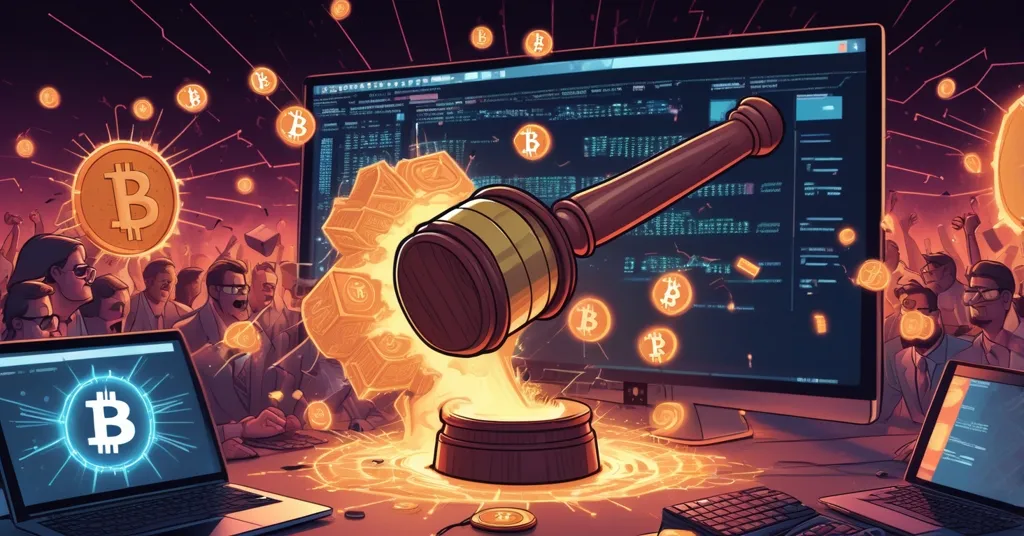
YouTube has delivered a crushing blow to the crypto community by deleting Bitcoin.com’s decade-old channel, which had amassed over 100,000 subscribers, under the vague accusation of hosting “harmful and dangerous” content. This latest strike in the platform’s ongoing war on crypto content has sparked fierce backlash, reignited debates over censorship, and pushed creators toward decentralized alternatives.
- Bitcoin.com Erased: YouTube bans a 100K-subscriber channel for alleged “harmful” content despite its educational focus on Bitcoin.
- Pattern of Censorship: Other crypto channels like BTCsessions, Outlaws, and Bitcoin Magazine also targeted with bans and demonetization.
- Community Fury: Frustration grows over AI moderation that punishes legit content while scam ads flourish unchecked.
Bitcoin.com’s Ban: What Went Down?
Imagine pouring a decade into building a platform with over 100,000 loyal followers, only to wake up one day and find it obliterated without warning. That’s the reality Bitcoin.com faced when YouTube axed their channel, citing “harmful and dangerous” content as the reason, as detailed in reports like YouTube’s latest strike against crypto content. For those unfamiliar, Bitcoin.com isn’t peddling get-rich-quick schemes or shady tokens—it’s a cornerstone of Bitcoin education, offering wallet tutorials, objective news, and insights into the world’s first decentralized cryptocurrency. Bitcoin, for the uninitiated, is a digital currency powered by blockchain technology, enabling peer-to-peer transactions without banks or governments playing middleman. Yet, YouTube’s opaque justification feels like a wrecking ball to trust, especially when Bitcoin.com insists their content was purely factual and educational.
This isn’t an isolated incident. YouTube’s ban hammer has been swinging wildly at crypto creators for years. Channels like BTCsessions, banned three times between 2019 and 2025, Luke Mikic’s page, banned and reinstated in September 2025, Outlaws, who reportedly lost 35 million subscribers in early 2026, and Bitcoin Magazine, hit with a second ban in April 2026 for “low-quality and repetitive content,” have all been caught in the crossfire. The financial toll is brutal—Bitcoin.com noted a drop in website traffic from broken video embeds post-ban, while Outlaws suffered millions in lost revenue from demonetization before their channel was fully wiped. These aren’t just stats; they’re livelihoods being shredded by a platform that seems hell-bent on purging anything blockchain-related.
YouTube’s Hypocrisy: Scammers Thrive While Educators Suffer
Worse still, while creators who educate about Bitcoin’s potential as a hedge against inflation or a lifeline in oppressive regimes get silenced, crypto scam ads—those cringe-worthy “send 1 BTC, get 10 back” hustles—run rampant on YouTube with zero apparent oversight. Bitcoin.com didn’t hold back on this double standard, pointing out the platform’s glaring failure:
“Crypto scam ads run 24/7 with zero moderation.”
YouTube’s reliance on AI moderation is at the heart of this mess. Think of it as a trigger-happy robot guard, programmed to flag content based on vague policies like “misleading financial content” but blind to the neon scam billboards flashing across the platform. The result is a maddening inconsistency—legitimate voices are throttled while fraudsters slip through the cracks. Community outrage on platforms like X mirrors this sentiment, with many arguing that these so-called policy violations are flimsy excuses to muzzle crypto advocates. By prioritizing algorithmic bans over manual takedowns of scam ads, YouTube isn’t just censoring—it’s damn near complicit in fleecing vulnerable users.
The Ripple Effect: Stifling Crypto Adoption
Zooming out, the impact of these bans goes beyond individual creators. Crypto content viewership on YouTube has sunk to a five-year low in 2026. This decline tracks with waning retail interest in cryptocurrencies, and it’s hard not to wonder if YouTube’s heavy-handed tactics are part of the problem. When platforms make it hostile for creators to share reliable content, newcomers lose access to resources that demystify Bitcoin’s role in bypassing financial censorship or Ethereum’s innovations like smart contracts—automated, blockchain-based agreements that execute without intermediaries. Instead, curious minds are left drowning in misinformation or, worse, falling for those unchecked scams. It’s a vicious cycle: censorship kills good content, disengagement follows, and the entire space takes a hit.
This isn’t just about views or ad revenue—it’s about real-world consequences. In places like Zimbabwe or Venezuela, where hyperinflation erodes savings overnight, Bitcoin tutorials have empowered people to store wealth outside corrupt systems. Channels like Bitcoin.com provide a lifeline, teaching folks how to use digital wallets or navigate peer-to-peer exchanges. By erasing this content, YouTube risks cutting off tools of freedom for millions who see crypto as more than a speculative gamble. Sure, Bitcoin remains the bedrock of decentralized finance, especially for those in crisis zones, unlike many altcoins chasing fleeting hype. But even Ethereum and its DeFi ecosystem—decentralized finance protocols for lending and trading—rely on education to build trust and scale adoption. Silencing these voices isn’t just annoying; it’s a direct blow to the mission of financial sovereignty.
Why Is YouTube Targeting Crypto Channels?
Let’s play devil’s advocate for a moment. YouTube isn’t banning crypto content just for kicks—there’s a broader context of pressure from regulators and governments worldwide who still view cryptocurrency as the Wild West of finance, rife with scams and money laundering. With the EU’s MiCA regulations tightening in 2026 and U.S. lawmakers obsessing over crypto ads and central bank digital currencies, platforms like YouTube might be overcorrecting to dodge legal heat. Their content policies, often citing “misleading financial advice” or “misinformation,” are catch-alls that snare educational videos while letting polished scam ads sneak by. Post-2017 ICO crackdowns and Google’s own 2018 crypto ad bans set a precedent—Big Tech would rather play it safe than sorry, even if it means alienating entire communities.
But here’s the counterpoint: overzealous moderation doesn’t protect users; it alienates them. By treating all crypto content as suspect, YouTube risks stifling innovation and education about technologies poised to redefine money itself. If anything, their crackdown might be the shove the crypto space needs to accelerate toward truly unstoppable, decentralized systems—a nod to the effective accelerationism philosophy that sees disruption as fuel for progress. Is YouTube an ally or adversary to this revolution? That depends on whether you value convenience over control.
Decentralized Alternatives: A Viable Escape?
With livelihoods on the line, the crypto community isn’t sitting around clutching their private keys in despair. Pushback on X has been fierce, with many calling for a mass exodus to platforms that don’t play censor. Mainstream alternatives like Odysee, Rumble, Spotify, and Substack are gaining buzz as creator-friendly options with less aggressive moderation. Odysee, for instance, markets itself as a blockchain-powered video platform, offering a taste of decentralization with a growing but still niche user base. Rumble, while not crypto-focused, has positioned itself as anti-censorship, though its smaller audience and lack of polish can’t yet rival YouTube’s network effects.
Then there’s the true decentralization crowd, championing solutions that mirror crypto’s ethos of freedom from gatekeepers. Jack Dorsey, former Twitter CEO and a vocal advocate for open systems, is tied to projects like Bitchat, an experimental messaging app, Nostr, a censorship-resistant social networking protocol still building traction among tech-savvy users, and Bluesky, a decentralized social platform gaining steam as a Twitter alternative. For those new to the concept, decentralized communication is like a community bulletin board where no single person can tear down everyone’s messages—it’s distributed, resilient, and damn hard to shut down. The appeal is obvious when YouTube CEO Neal Mohan’s “creator-first” rhetoric feels like empty PR.
But let’s not get carried away with utopian fantasies. These decentralized platforms are rough around the edges—think buggy interfaces, tiny audiences compared to YouTube’s billions, and unanswered questions about funding or moderation. Can they scale without compromising their ethos, or worse, becoming dumping grounds for illegal content with no oversight? Even mainstream alternatives like Rumble face hurdles in matching YouTube’s discoverability and monetization tools. Still, necessity breeds innovation, and crypto thrives on disruption. If bans keep piling up, expect creators to jump ship, even if it means rebuilding from scratch. Freedom isn’t free—sometimes it costs convenience.
The Bigger Picture: Crypto vs. Big Tech
Stepping back, this clash with YouTube reflects a deeper war between centralized powerhouses and the decentralized ideals at crypto’s core. Bitcoin was born to challenge the status quo, offering permissionless transactions that can’t be throttled by banks or governments. Blockchain-based platforms for content and communication aim to do the same for speech, ensuring no single algorithm or CEO can play judge and jury. Big Tech’s grip—especially on content that threatens financial norms—shows how easily power can be wielded to silence dissent. YouTube’s actions aren’t just about policy; they’re a stark reminder of why decentralization matters, not just for money but for ideas.
Take BTCsessions as a case study. Banned three times over six years, this channel focused on Bitcoin education for newcomers, breaking down complex topics like mining and security. Each ban cost months of rebuilding, alienating viewers and slashing revenue from sponsorships. Their story, echoed by creators like Luke Mikic, shows how YouTube’s inconsistent policies don’t just hurt individuals—they erode trust in the platform as a space for emerging tech discourse. Meanwhile, community polls on X suggest crypto content engagement on YouTube has dropped sharply since 2023, coinciding with waves of bans. Correlation isn’t causation, but the timing raises eyebrows.
So, where do we go from here? The crypto community’s resilience is undeniable—creators will adapt, viewers will follow, and new platforms will rise. Bitcoin maximalists might argue this proves why BTC, as the purest form of decentralized money, should remain the focus over altcoin distractions. Yet, Ethereum’s smart contracts and DeFi tools show how other blockchains fill niches Bitcoin doesn’t, like enabling creators to monetize directly via tokens or NFTs. Both have a role in this financial revolution, and education is the bridge to mainstream adoption. YouTube’s war on crypto content might slow that journey, but it won’t stop it. If anything, it’s lighting a fire under the push for systems that can’t be gagged by a single click.
Key Takeaways and Questions on YouTube’s Crypto Crackdown
- Why Did YouTube Ban Bitcoin.com’s Channel?
YouTube claimed the channel posted “harmful and dangerous” content, despite Bitcoin.com’s focus on educational Bitcoin tutorials and objective news. - How Are Other Crypto Creators Affected by YouTube’s Policies?
Channels like BTCsessions, Luke Mikic, Outlaws, and Bitcoin Magazine have faced repeated bans and demonetization, resulting in massive subscriber and revenue losses. - What Fuels Frustration with YouTube’s Moderation?
The community is outraged by AI-driven bans targeting legitimate content while scam ads proliferate unchecked, directly harming creators’ livelihoods. - What Alternatives Are Crypto Creators and Viewers Exploring?
Decentralized platforms like Bitchat, Nostr, and Bluesky, alongside mainstream options such as Odysee and Rumble, are emerging as censorship-resistant spaces for crypto content. - What Does This Conflict Reveal About Crypto and Big Tech?
It highlights the fundamental tension between centralized tech dominance and crypto’s decentralized ethos, underscoring the urgent need for independent communication and financial systems.