Square Rolls Out Bitcoin POS Payments in US: Boosting Crypto Adoption
 LTB
LTB Square Launches Bitcoin POS Payments in US: A Game-Changer for Crypto Adoption
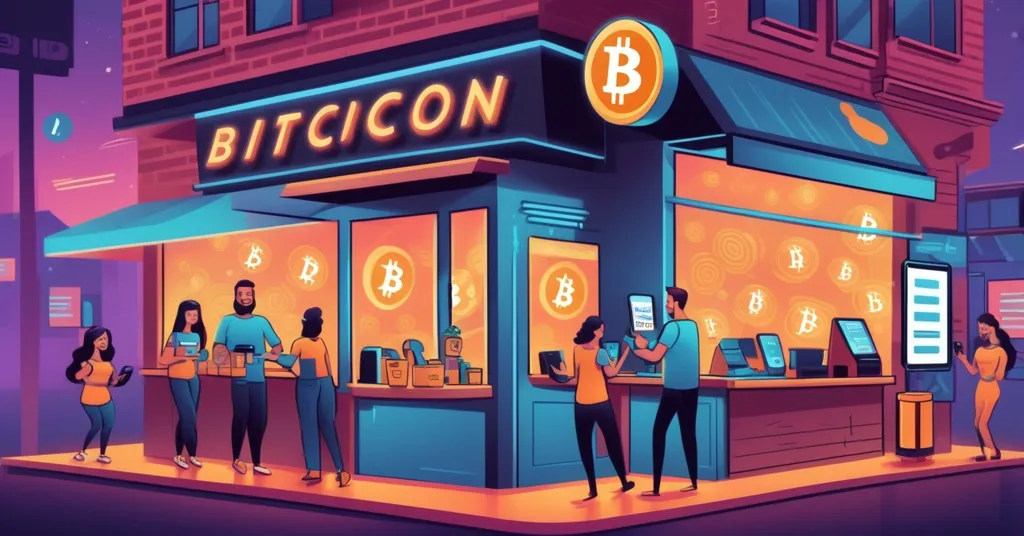
Square, the payment processing arm of Block, has ignited a potential revolution for US merchants by rolling out Bitcoin payments at the point of sale. This isn’t a half-hearted experiment—Square is waiving processing fees until 2026 and instantly converting Bitcoin to USD to protect businesses from crypto’s notorious price swings, making this a serious bid to normalize digital currency in everyday transactions.
- Fee-Free Transactions: No processing fees for Bitcoin payments until the end of 2026, incentivizing merchant adoption.
- Volatility Shield: Bitcoin payments convert to USD instantly, ensuring merchants get stable cash without market risk.
- Bitcoin Stacking Option: Merchants can choose to hold a portion of sales in Bitcoin for potential gains.
- Rollout Timeline: Fully live for eligible US Square users by November 10, with some already active.
- Regulatory Hiccup: New York merchants are excluded due to strict state crypto regulations.
How It Works for Merchants
For the uninitiated, Square is the go-to platform for countless small businesses—think your local diner or indie bookstore—to process payments via cards or mobile apps. Now, with Bitcoin POS integration, customers can pay with BTC as easily as swiping a card. The magic lies in Square’s handling of the details. When a customer pays with Bitcoin, Square swaps it for USD at the moment of purchase, settling funds almost instantly. Think of it like exchanging foreign currency at a bank counter—merchants get stable cash, no matter how wild Bitcoin’s price rollercoaster gets that day. This removes the fear of waking up to a 15% price crash wiping out yesterday’s sales.
Merchants aren’t forced to dive headfirst into crypto either. By default, payments settle in USD, but there’s an option to “stack” a portion of sales in Bitcoin if they’re feeling optimistic about its future. This flexibility caters to both the risk-averse and the crypto-curious. Imagine a Brooklyn coffee shop owner accepting Bitcoin from a tech-savvy tourist—Square ensures the owner doesn’t lose sleep over market dips, while still offering a chance to hold some BTC if they believe it’s the next big thing. As Miles Suter, Bitcoin Product Lead at Square, declared on October 8, 2025:
“Connecting the ecosystem with @Square has been the dream since we launched bitcoin in @CashApp in 2018. Starting today, all merchants can now seamlessly stack bitcoin behind the scenes from their daily sales.”
Suter reinforced this vision on March 30, 2026, highlighting the practical impact with the latest update on Square’s Bitcoin payment expansion across the US:
“We’re making it easier for millions of businesses to accept bitcoin. Starting today, eligible U.S. @Square sellers will begin having Bitcoin payments automatically enabled. Sellers who accept bitcoin will receive USD as default. This is how bitcoin as everyday money begins.”
Regulatory Roadblocks: New York Left Out
New York’s exclusion from this rollout is a glaring issue. It’s a stark reminder that the US regulatory landscape for cryptocurrency is a fragmented mess. The state’s strict BitLicense—a licensing requirement for crypto businesses often slammed for stifling innovation—has priced out smaller players and now blocks Square merchants from joining the party. This isn’t just a New York problem; it’s a microcosm of a broader challenge. While states like Texas roll out the red carpet for blockchain tech with pro-crypto policies, others treat Bitcoin like a nuclear hazard. Overreaction much? If Bitcoin is to become everyday money, as Suter claims, regulators need to stop dragging their feet. Until then, adoption will be a patchwork, with some regions sprinting ahead while others are stuck in the mud.
This disparity raises bigger questions. Will other states follow New York’s lead and impose barriers, or will they see Square’s move as a chance to attract innovation? The uneven playing field could fracture Bitcoin’s growth in the US, leaving merchants in less friendly states watching enviously as their competitors tap into a new customer base.
Block’s Bigger Play: Vision or Self-Interest?
Behind Square stands Block, led by Jack Dorsey, a relentless advocate for Bitcoin as a tool to empower individuals over institutions. Block isn’t just cheerleading—they’ve got serious skin in the game, holding 8,883 BTC, bought at an average price of $32,939 per coin, per BitcoinTreasuries.net. That makes them the 14th-largest public holder, a position that screams corporate confidence in Bitcoin’s future. Dorsey has long preached decentralization and financial freedom, themes that resonate deeply with Bitcoin maximalists who view BTC as the ultimate rebellion against centralized banking. This POS rollout feels like a concrete test of that ideology, a step toward making Bitcoin not just digital gold, but a functional currency.
But let’s not sip the Kool-Aid just yet. Is Block’s push entirely altruistic, or are they nudging adoption to pump the value of their own Bitcoin stash? It’s a fair skepticism. When a company stands to gain from wider use, you’ve got to squint at their motives. That said, the benefits for merchants—fee waivers until 2026 and volatility protection—are real, not just hype to fatten Block’s balance sheet. This isn’t some shady altcoin shill or scam project where developers vanish with funds (a “rug-pull” in crypto slang). Square is delivering tangible utility, even if there’s self-interest baked in. Still, merchants should stay sharp—tech integration hiccups or customer confusion could turn this shiny promise into a headache.
Consumer Challenges: Are We Ready to Pay with Bitcoin?
Merchants might be shielded from Bitcoin’s chaos, but what about the customers shelling out BTC at checkout? Most Americans don’t own a Bitcoin wallet, and even fewer know how to spend it at a store. Scanning a QR code or linking a wallet app isn’t rocket science, but it’s a far cry from tapping a credit card. Consumer education is a massive hurdle—Square can’t just flip a switch and expect the masses to flock in. They’ll need user-friendly guides, partnerships with wallet apps like their own Cash App, or even in-store tutorials to bridge the gap. Without that, this rollout risks being a cool toy for a tiny crypto elite rather than a mainstream shift.
Then there’s the practicality of Bitcoin itself. Transaction fees and confirmation times aren’t always coffee-shop friendly. A $5 latte shouldn’t come with a $2 network fee or a 10-minute wait for blockchain confirmation. Square’s got to iron out these kinks behind the scenes, or this is more sizzle than steak. For now, early adopters—tech nerds and crypto OGs—will likely drive usage, but scaling to your average Joe grabbing a sandwich is the real test.
Fintech Trends: Bitcoin Beyond Speculation
Square isn’t operating in isolation. Their move dovetails with a broader fintech push to weave digital assets into traditional systems. Platforms like Coinbase and Kraken have revived programs letting users borrow cash against Bitcoin holdings—essentially using BTC as collateral for loans without selling it. Meanwhile, mortgage lender Better Home & Finance has teamed up with a major exchange to let homebuyers use crypto for down payments, keeping their holdings intact. These hybrid solutions signal a future where Bitcoin isn’t just a speculative plaything for online traders but a functional cog in the financial machine.
Square’s focus on retail, though, hits adoption where it matters most—at the checkout counter. Unlike loans or mortgages, which cater to specific needs, POS payments touch everyday life. This echoes past attempts at Bitcoin payment integration, like BitPay’s early merchant tools or Overstock’s 2014 embrace of BTC. Back then, only a handful of major retailers took the plunge, and many efforts fizzled due to complexity and low demand. Square, with its massive merchant base and polished tech, could multiply those numbers overnight—if they play their cards right.
What This Means for Bitcoin’s Future
Zooming out, Square’s gambit could be a cultural pivot for Bitcoin. For years, critics have branded it a bubble, a Ponzi scheme, or a haven for illicit deals. Yes, the dark side exists—money laundering and ransomware payments are real problems. But initiatives like this chip away at the stigma. Embedding Bitcoin into daily commerce shifts it from a shadowy internet token to something your neighborhood bodega might accept. That’s huge. It’s a step toward proving Bitcoin can be more than digital gold for speculators; it can be practical money.
Yet, mass adoption isn’t a slam dunk. Beyond consumer education and regulatory quicksand, Bitcoin’s own limitations loom large. Scalability remains a sticking point—can the network handle millions of daily microtransactions without choking on fees or delays? Layer-2 solutions like the Lightning Network aim to fix this, enabling faster, cheaper payments, but they’re not fully mainstream yet. Square’s silence on how they’ll tackle these nuts-and-bolts issues leaves room for doubt. And let’s not forget public perception—every headline about a Bitcoin hack or scam sets trust back a notch. This rollout is a spark, but turning it into a wildfire will take grit, time, and a hell of a lot of transactions.
Key Takeaways and Questions
- What does Square’s Bitcoin POS rollout mean for small businesses in the US?
It offers a no-cost, low-risk way to accept Bitcoin, expanding payment options and attracting crypto-savvy customers while protecting merchants from price swings with instant USD conversion. - Why are New York merchants excluded, and what does this reveal about crypto regulation?
Strict state rules, tied to the BitLicense, block participation, exposing the outdated and uneven regulatory approach to crypto across the US, which could hinder uniform adoption. - How does this tie into broader financial technology trends?
It aligns with moves like crypto-backed loans on Coinbase and Bitcoin-collateralized mortgages by Better Home & Finance, pointing to a hybrid future of digital and traditional finance. - Is Block’s massive Bitcoin holding a conflict of interest?
Potentially—Block’s 8,883 BTC could rise in value with wider adoption, but concrete merchant perks like fee waivers and volatility shields show real value beyond just boosting their portfolio. - What hurdles do consumers face in paying with Bitcoin?
Low wallet ownership, lack of know-how, and Bitcoin’s own transaction fees or delays pose barriers—Square must prioritize education and seamless tech to make spending BTC intuitive. - Can Bitcoin become “everyday money” through efforts like Square’s?
It’s a promising leap toward normalizing transactions, but consumer readiness, regulatory chaos, and network scalability remain stubborn obstacles to widespread practical use. - How can Square and merchants avoid scammer exploitation of this rollout?
Beware of phishing scams or fake “Square Bitcoin setup” schemes—merchants should stick to official channels and Square must warn users against fraudsters capitalizing on the hype.
So, where does this leave us? Square’s bold move flips the bird to skeptics who claim Bitcoin can’t mesh with the real world. It’s a chance for US merchants—outside New York’s regulatory cage—to ride the crypto wave without getting drenched. For Bitcoin itself, this could be the match that lights up its utility, showing it’s not just a speculative asset but a viable payment tool. But let’s not start the victory lap yet. Success depends on execution, public trust, and regulators finally getting out of the damn way. If Square pulls this off, could we see Bitcoin as common as Visa at every corner store by the decade’s end? Or will the same old roadblocks bury the dream before it takes root? Time, and a few million transactions, will tell.