Bolivia Reportedly Turns Idle Power Plant Into Bitcoin Mining Hub for Stranded Energy
 LTB
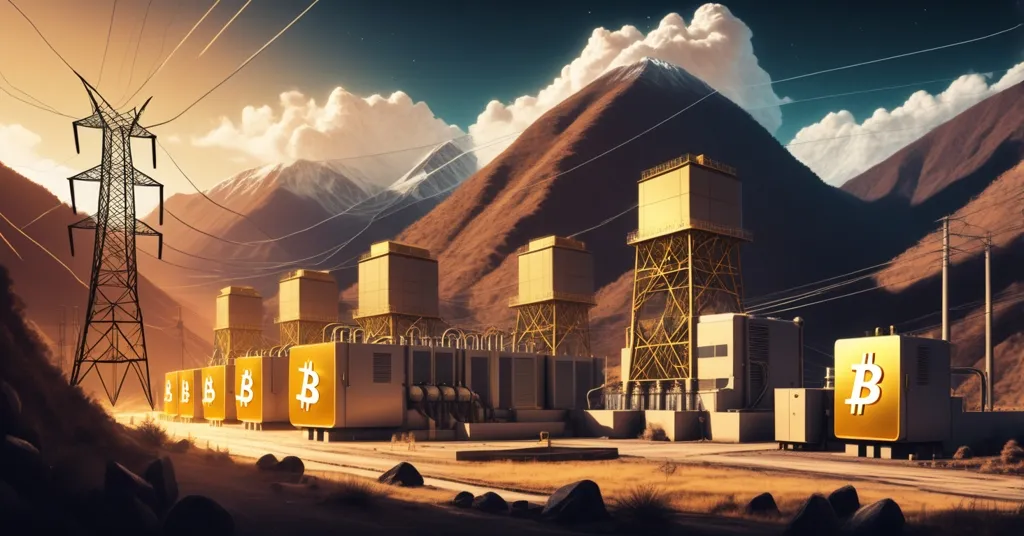
LTB Bolivia is reportedly repurposing an idle power plant to support Bitcoin mining, a move that could turn wasted energy into productive output while raising the usual questions about what “sustainable” actually means in crypto.
- Bolivia is linked to a Bitcoin mining initiative using an idle power plant.
- The setup is being described as a more sustainable model for mining.
- The idea is to monetize stranded energy instead of letting infrastructure sit unused.
- The upside could be better energy efficiency and new revenue from existing assets.
- The downside: without hard details, “green mining” could still be a glossy label on an ordinary power play.
Bitcoin mining has spent years taking heat for electricity use, often deservedly so when the industry gets sloppy, opaque, or downright shameless. But not every mining setup is the same, and this one appears to fit a more interesting pattern: using power infrastructure that would otherwise sit idle and turning it into economic output.
That’s the basic promise of Bitcoin mining in places with underused energy assets. If electricity is already available and not being fully consumed, mining can act like a flexible buyer that helps monetize that surplus. In plain English, stranded energy means power that exists but isn’t fully used because there’s not enough local demand, transmission capacity, or economic incentive to push it into the grid.
So instead of letting an idle plant gather dust and bureaucratic excuses, the idea is to put it to work. That part is hard to argue with. Dead infrastructure is dead capital, and Bitcoin miners are often uniquely suited to give it a second life because they can move fast, absorb excess power, and shut down when needed.
Still, “sustainable” is doing a lot of heavy lifting here. It’s one of those words crypto loves to sprinkle around like holy water, even when the underlying plumbing is murky. The real test is not the label; it’s the fuel source, emissions profile, and whether the facility is genuinely underused or just being described that way because it sounds better in a press release.
What exactly is an idle power plant? It can mean different things. Sometimes a facility is mothballed, meaning it’s effectively out of service. Sometimes it’s operating below capacity. Sometimes it’s available but not economically attractive to run at full blast. Those distinctions matter, because an “idle” plant powered by low-carbon energy is a very different beast from a plant that’s idling only because no one is looking too closely at the books.
That’s where the skepticism kicks in. A lot of crypto projects wrap themselves in green language because they know public opinion can be brutal. And to be fair, the criticism of Bitcoin mining isn’t all nonsense. Mining can absolutely create real energy demand, and in some cases that demand may lean on fossil fuels or other dirty sources if nobody is policing the setup. The sector has earned a healthy dose of distrust.
But there’s another side to this story too. Bitcoin miners are not just electricity consumers; they’re also a load-balancing tool in the right circumstances. Because mining rigs can be turned up or down quickly, they can help energy producers monetize excess generation without forcing permanent, expensive buildouts. That can be useful in places where infrastructure exists but isn’t fully integrated into a strong grid economy.
For Bolivia, the broader significance goes beyond one mining operation. If this model is real and not just marketing with a hard hat on, it points to a practical use case for Bitcoin mining in emerging markets: repurpose underused infrastructure, create revenue where there was none, and avoid wasting energy that has already been produced. That’s not some utopian fantasy. It’s just basic economic logic, and Bitcoin tends to make blunt economic logic harder to ignore.
Of course, the missing details are a problem. No specific figures, dates, location, operator, or plant type were provided in the material available here. That makes it impossible to judge scale, environmental impact, or whether the setup is a meaningful pilot or just a small deployment dressed up as a national breakthrough. Without that context, readers should treat the “sustainable model” claim with caution.
The important questions are straightforward:
- Is the power source renewable or low-carbon?
- Is the plant truly idle, or simply underused?
- Does the mining operation support local economic activity?
- Does it reduce waste, or just redirect electricity to a different kind of demand?
If the answer to those questions is yes, then this could be a legitimate example of Bitcoin mining doing something useful for a power system. If not, then it’s just another case of the industry trying to dress up ordinary extraction with a nice green ribbon. And crypto has seen enough of that nonsense to know when it’s being sold a bag of buzzwords.
Why this matters for Bitcoin mining is pretty simple: energy is the game. Miners naturally hunt for the cheapest available electricity because profit margins depend on it. That often puts them near remote dams, flared gas sites, curtailed wind, unused hydro, or underutilized industrial assets. The best versions of this model can improve efficiency by turning wasted energy into money. The worst versions just shift the bill onto someone else and call it innovation.
So Bolivia’s reported move is worth watching, not because it proves Bitcoin mining is automatically green, but because it shows how the industry can potentially fit into real energy economics instead of just consuming power and shrugging. That distinction matters. Bitcoin is strongest when it creates market pressure, improves monetization of stranded assets, and exposes waste. It’s weakest when it becomes a lazy excuse for more smoke, more hype, and less accountability.
Key takeaways and questions
-
What is happening in Bolivia?
Bitcoin mining is reportedly being powered through an idle power plant in a more sustainable setup, with the goal of using otherwise wasted energy productively. -
Why does this matter?
It shows how Bitcoin mining can potentially monetize stranded energy and make better use of existing energy infrastructure. -
What does “stranded energy” mean?
It means electricity that is produced or available but not fully used because demand is weak or the power can’t easily be delivered where it’s needed. -
Is this automatically green?
No. The environmental impact depends on the actual fuel source, emissions, and whether the power plant is truly idle or just being marketed that way. -
What is the upside for Bitcoin mining?
It can create revenue from underused infrastructure, support flexible power demand, and reduce waste in energy systems. -
What is the main risk?
Greenwashing. Without hard details, “sustainable” can become little more than a shiny sticker on a standard mining operation.
If Bolivia is genuinely shifting Bitcoin mining toward a model built around idle energy infrastructure, that’s a smart use of scarce resources and a reminder that mining isn’t always the cartoon villain its critics want it to be. But if the details never materialize, then the whole thing is just another crypto announcement wearing eco-friendly cologne. In this sector, proof matters more than adjectives.