Canada Eyes Crypto ATM Crackdown Over Scams, Fraud and Money Laundering
 LTB
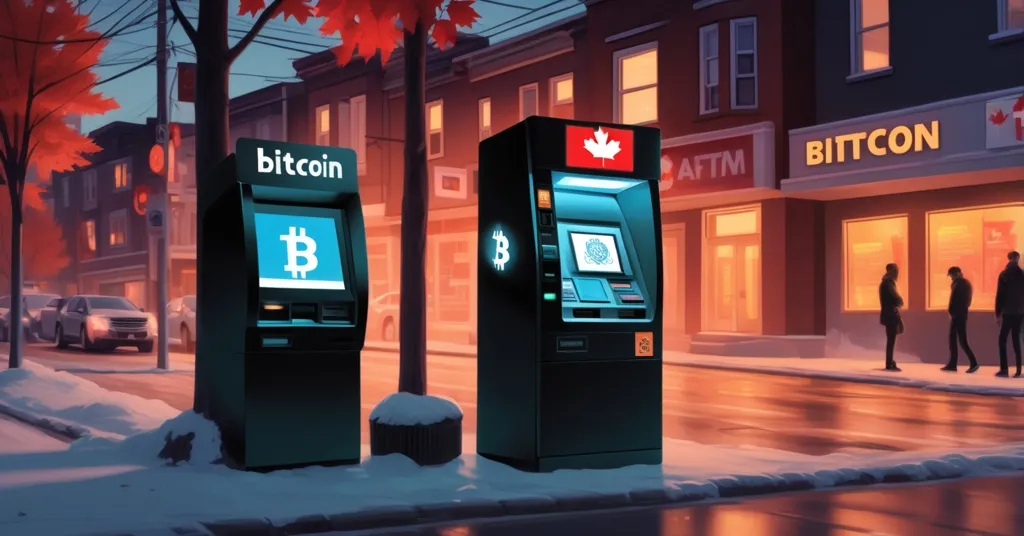
LTB Canada is weighing tighter rules for crypto ATMs as regulators link the kiosks to scams, fraud, and money laundering. The machines have become a lightning rod because they make it easy to turn cash into Bitcoin fast — which is handy for legitimate users, and just as handy for scammers.
- Canada is considering a crackdown on crypto ATMs
- Regulators say they are tied to scams, fraud, and money laundering
- Supporters argue the machines still serve real users and financial access
- The bigger fight is consumer protection versus financial freedom
Crypto ATMs are kiosks that let people buy Bitcoin and other cryptocurrencies with cash or debit cards. Some also allow selling crypto for cash. They sound simple enough, but they’ve earned a nasty reputation because fraudsters love pushing victims toward them. Once cash is inserted and crypto is sent, the transaction is usually irreversible. That means no chargebacks, no “oops,” and no helpful bank clerk swooping in to save the day after the money is already gone.
That is the core problem Canada is trying to confront. Lawmakers and regulators are increasingly treating crypto ATMs as a weak point in the financial system, especially when they are used in scam workflows. A common setup is brutally basic: a criminal calls or messages a victim, pretends to be a bank, police officer, tax agency, or tech support agent, and pressures the person to withdraw cash and deposit it into a crypto ATM. The crypto is then sent to a wallet controlled by the scammer. Money laundering, for readers who want the plain-English version, means hiding illegally obtained money so it looks legitimate. The push to put crypto ATMs on the ban agenda comes straight out of that mess.
That’s the security case against the machines. It’s not made up, and pretending otherwise would be dumb. Crypto ATMs do lower friction, and low friction is exactly what fraudsters want. The machines can also be less tightly monitored than banks or fully licensed exchanges, which makes them easier to abuse. If you are a scammer, a fast, cash-based on-ramp is a gift basket. If you are a victim, it’s a trap with a blinking screen.
Still, an outright ban is not a magic wand. That’s where the debate gets messier — and more interesting. For some users, crypto ATMs are a practical bridge into Bitcoin and other digital assets, especially if they are underbanked, value privacy, or simply want to buy a small amount of BTC with cash without handing over a full dossier of personal information. In some places, especially where banking access is limited or mistrust of financial institutions runs deep, these machines matter. Bitcoin was never supposed to be a polite permission slip system for overcompliant middlemen, after all.
Supporters of crypto ATMs argue that the real solution is better enforcement, stronger reporting, transaction limits, and smarter consumer warnings — not a blanket crackdown that punishes legitimate users because criminals are, shocker, criminals. That view has merit. Banning one tool rarely ends fraud; it usually just pushes bad actors toward another tool. Scammers do not retire because a politician got a press release out of the way.
There is also a broader policy issue lurking under the surface: how much friction should society tolerate in the name of safety? Too little oversight, and scammers feast. Too much, and honest users get buried under identity checks, delays, and compliance theater that makes it harder to use decentralized money at all. That balance matters for Bitcoin adoption, because Bitcoin thrives when it is usable, but usability should not mean “open season for con artists.”
Canada’s move also reflects a familiar regulatory pattern. When a new financial tool becomes linked to abuse, governments often reach first for the bluntest instrument available: restrictions, licensing, or bans. Sometimes that works. Sometimes it just creates a louder black market and more bureaucratic noise. A smarter approach would target the abuse directly: operator registration, stronger fraud detection, clearer warnings on the machines, tighter transaction monitoring, and real penalties for scammers and complicit facilitators. In other words, attack the criminals instead of turning the tech itself into the scapegoat.
For Bitcoin users, the lesson is straightforward. Convenience is not free, especially when the on-ramp is cash and the settlement finality is absolute. That doesn’t make crypto ATMs bad by default. It does mean they sit right at the fault line between freedom and abuse. Ignore that tension, and regulators will happily use scams as the excuse to overreach. Ignore the scams, and the industry hands them the argument on a silver platter.
Key questions and takeaways
Why is Canada targeting crypto ATMs?
Because regulators say the machines are frequently used in scams, fraud, and money laundering, especially when criminals pressure victims into sending crypto they can’t get back.
What are crypto ATMs?
They are kiosks that let people buy Bitcoin and other cryptocurrencies with cash or debit cards, and in some cases sell crypto for cash.
Are crypto ATMs only used by criminals?
No. They also serve legitimate users who want fast, cash-based access to Bitcoin or who prefer a more private on-ramp than a traditional exchange.
Would banning crypto ATMs stop fraud?
Not really. It might cut off one abuse channel, but scammers tend to adapt quickly, which is why enforcement and consumer protection matter more than headline-grabbing bans.
What does this mean for Bitcoin adoption?
It shows the ongoing tradeoff between easy access and tighter oversight. Bitcoin adoption benefits from simple on-ramps, but those on-ramps need safeguards if they are not going to become scam magnets.
The real answer is not to torch every convenient tool because bad actors found it useful. The answer is to make sure honest users can still access decentralized money while making life much harder for scammers. That’s not a perfect balance, but it’s the only one that doesn’t turn financial freedom into a bureaucratic cage with a nicer paint job.